Let's start here: disconnection after illness is completely normal
Your body goes through something. Surgery, infection, chronic pain, long recovery, medication changes. And suddenly, pleasure feels like it's happening to someone else. Not in your body. Not available. Not yours.
That's not a personal failing. That's a completely predictable response to physical and emotional stress.
Why illness creates distance from pleasure
When your body becomes a site of pain, threat, or medical intervention, your brain's relationship to that body changes. You stop inhabiting it and start managing it. You monitor it. You negotiate with it. You defend against the next bad thing.
Pleasure requires the opposite state: softness, trust, presence. It's hard to access either of those when your nervous system is still in protective mode.
Three specific things happen during and after illness that make reconnection harder:
1. Dissociation becomes adaptive. Pain is often managed by mentally leaving the body. That survival skill is useful in the moment. But it sticks around, and it directly blocks pleasure.
2. Medication changes everything. Painkillers, antibiotics, antivirals, antidepressants, anti-inflammatories. Any of these can flatten sensation, change arousal, slow orgasm, or create numbness. Sometimes it's temporary. Sometimes it lingers.
3. Your nervous system is recalibrating. After illness, your body is literally relearning what safe feels like. That takes time. Rushing pleasure before safety feels integrated is like trying to have a conversation in a room where the smoke alarm won't stop screaming.
The window between medical recovery and pleasure recovery
Here's what most people don't talk about: you can be medically cleared before you're psychologically and sensorily ready. Your doctor says you're fine. Your labs are normal. But your body doesn't feel fine. And that gap is where a lot of shame lives.
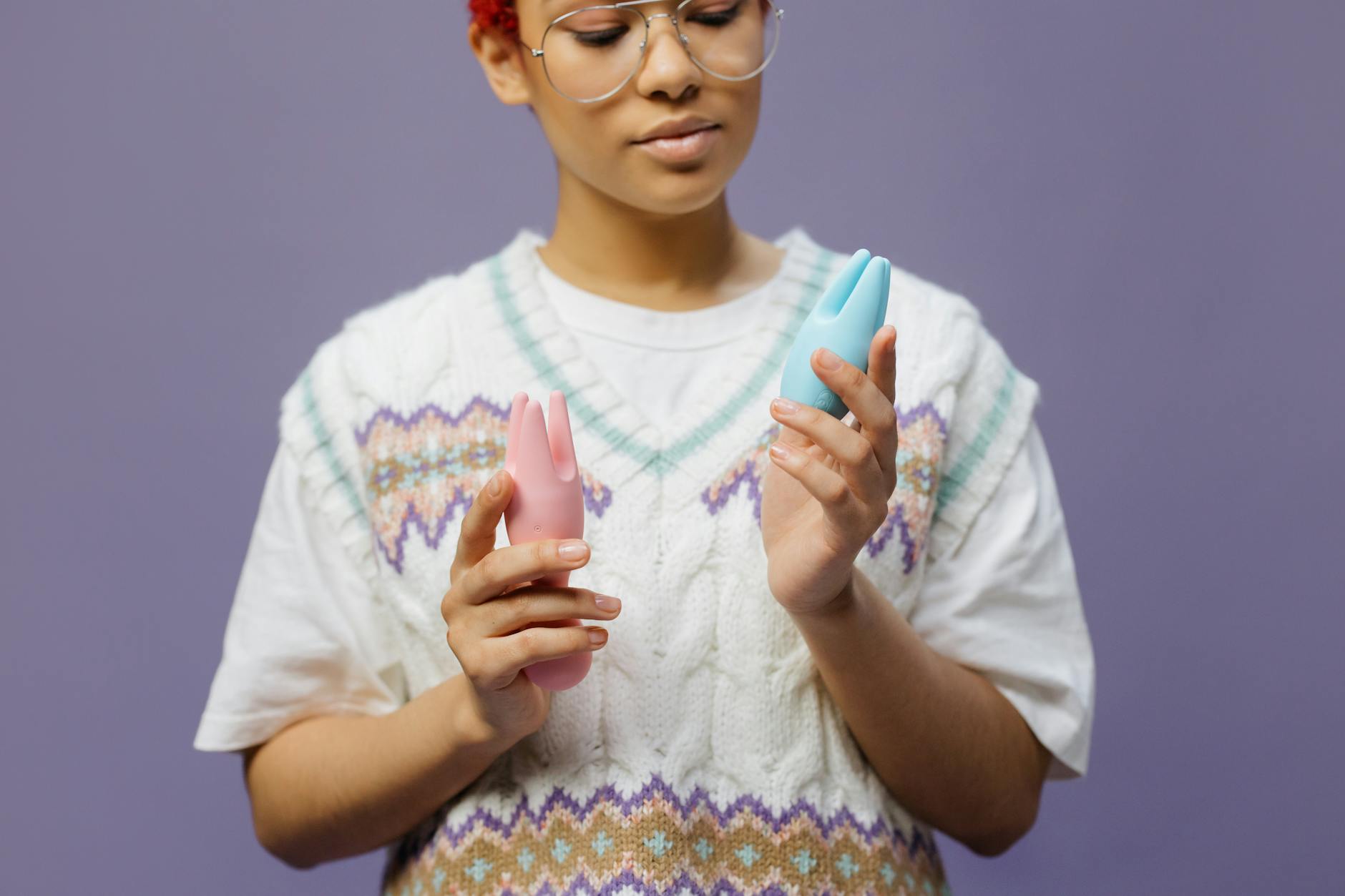
A lemon clitoral vibrator like the Lem is useful specifically in this gap because it asks nothing of you except presence. It doesn't require arousal. It doesn't require you to feel turned on. It just gives your nervous system information: this is pleasure. This is still possible. This is still yours.
Starting: permission without expectation
Before you use any vibrator after illness, you need one thing: explicit permission to not orgasm. Not permission to "try." Not permission to "see what happens." Permission to experience sensation with zero outcome attached.
Set a time when you won't be interrupted. Set a timer for five to ten minutes. Tell your partner (if you have one) that this is about reconnection, not performance. Then use the Lem on its lowest setting, on your external clitoral area, for sensation only. No agenda. No goal.
This might feel like nothing. That's okay. This might feel strange or distant. That's okay too. You're building a new conversation with your body, and new conversations start with listening, not asking.
Rebuilding sensation in stages
Once you've had a few sessions where pressure and numbness feel less heavy, you can move into gentle progression.
Week one to two: Lowest pattern on the Lem, shortest sessions (five to ten minutes). Focus on what you notice rather than what you feel. Temperature. The hum. The shape. The pressure. Narrate it to yourself out loud if it helps, like you're narrating a scene in a film.
Week three to four: Same pattern, longer sessions (ten to fifteen minutes). Your nervous system will start distinguishing between surface sensation and deeper response. You might notice tingling. Sensitivity. Waves of something that isn't quite arousal but isn't numbness either. That's progress.
Week five onward: If you feel ready, try patterns two or three. Still short sessions. Still low pressure. Your body will tell you when to escalate, and it won't feel like forcing. It will feel like permission.
This timeline is not universal. Some people reconnect in two weeks. Some take two months. The timeline matters less than the consistency. Using a vibrator once a week will feel disorienting and slow. Using it three to four times a week, in a quiet space where you're actually present, changes the nervous system's sense of what's possible.
The role of lubrication in reconnection
After illness, your body's natural lubrication often changes. Medication, dehydration, stress, hormonal shifts from medical treatment. All of that reduces what your body produces naturally.
Use a water-based lube with the Lem. Not because you're broken, but because reconnection is hard enough without friction getting in the way. Lubrication helps your nervous system feel sensation as pleasure rather than irritation. It removes the interpretation that something is wrong.
Reapply every five minutes or as often as it feels dry. This isn't laziness or failure. This is removing obstacles.
Pleasure and pain coexisting (and what to do about it)
Sometimes after illness, particularly if there's chronic pain involved, you'll feel pleasure and pain simultaneously. Not alternating. At the same time.
This is your nervous system still integrating. It's not dangerous. It's not a sign you should stop. It's an indicator that you need to go slower, use less pressure, take breaks, and possibly talk to a therapist who specializes in somatic work alongside what you're doing with the Lem.
If the pain dominates or feels sharp, stop. Reconnection is not a pain endurance test.
Bringing a partner into reconnection
If you have a partner, the conversation is this: "I'm rebuilding my relationship with my own pleasure. I'd like your support, which means being present without expectations, and letting me lead the timeline."
Partners sometimes want to help by jumping in, initiating sex, or pushing pleasure because they think that's what reconnection looks like. Most of the time, that adds pressure rather than removing it.
The most helpful thing a partner can do is sit nearby without expectation. Maybe that's in the same room reading. Maybe that's checking in after. Maybe that's nothing more than saying, "I'm here. Take your time."
If your partner feels threatened by the vibrator itself (which does happen), there's a separate conversation. You might reference our guide on how to use a lemon vibrator with a partner who feels threatened by toys. The short version: this is about you reclaiming your own body, not about them failing at anything.
When medication is part of the picture
If you're on SSRIs, pain medication, or any drug that affects sensation or arousal, reconnection takes longer. That's not a reflection of how broken you are. It's just physics. Your nervous system is working harder to register pleasure through the noise of the medication.
Three things help: consistent use of the Lem (your nervous system builds new pathways with repetition), patience (three months is not unusual), and honest communication with your prescriber if the numbness is unbearable. There are sometimes adjustments that help, and sometimes there aren't, and both of those are manageable.
You might also find that using a lemon vibrator for better orgasms when you're on SSRI antidepressants offers specific techniques that layer on top of what you're already doing.
The body keeps score, and the body also heals
Reconnection is not linear. You'll have sessions where sensation feels bright and available. You'll have sessions where it feels completely shut down again. That's normal. That's your nervous system still recalibrating.
Each session, even the flat ones, is information your body can use to rebuild trust in pleasure as safe. Keep going. The reconnection accelerates when you're consistent rather than trying to force progress.
FAQ: Reconnecting with pleasure after illness
How long does it take to feel normal again after using a vibrator post-illness?
It depends on the severity and duration of the illness, the medications involved, and how much of your disconnection is physical versus psychological. For many people, three to four weeks of consistent use brings noticeable changes. For others, especially those with chronic conditions or significant medication effects, it's three months or longer. The key is consistency, not speed. Using the Lem four times a week for two months will shift your nervous system more than using it once a week for six months.
Can I use a clitoral vibrator if I still have physical pain from illness?
Yes, but with care. Start with the lowest settings and shortest sessions. If the vibrator creates sharp pain or intense discomfort, pause. If it creates a sensation that's uncomfortable but not harmful, stay with it for thirty seconds longer than feels natural, then stop. You're teaching your nervous system the difference between pain that signals danger and sensation that feels intense. If you're unsure, check with your doctor or a pelvic floor physical therapist who can assess whether vibration is safe for your specific condition.
What if I'm numb everywhere and feel nothing with the Lem?
Numbness is one of the most common experiences after illness. It doesn't mean the vibrator isn't working. It means your nervous system is still in protective mode. Keep using it at the lowest setting. Add narration: "I feel pressure. I feel vibration. I feel the shape." After two to three weeks, most people report the first hint of tingling or aliveness returning. If numbness persists beyond a month of regular use, talk to your doctor, as it might indicate a neurological component that needs specific intervention.
Can I use lubricant with the Lem while I'm still on antibiotics or antifungal medication?
Yes. Use a plain water-based lube like Sliquid or Good Clean Love. Avoid lubes with glycerin (it can feed yeast) and avoid oil-based lubes (they degrade silicone). The vibrator itself doesn't interact with medications. If you're concerned about introducing any product during treatment, ask your prescribing doctor for their specific recommendations.
Should I tell my partner I'm reconnecting with pleasure using a vibrator after being sick?
That depends on your relationship and your comfort level. If you share a bed and they'll notice, yes, tell them. You don't need to explain in detail. "I'm doing some solo reconnection work with a vibrator because pleasure felt far away after being sick. I need some time and space to rebuild that." If your partner tends to be insecure about vibrators or sex in general, you might want to have that conversation before rather than after. And if your partner is supportive and present, their presence (without expectation) can actually accelerate your nervous system's recalibration.
What if reconnection still isn't happening after two months of consistent use?
Talk to a therapist who specializes in sexual health or somatic work, especially if the disconnection feels psychological rather than purely physical. Sometimes illness leaves emotional residue that a vibrator alone can't address. You might also want to revisit with your doctor if you're on new medications or if the numbness feels neurological rather than psychological. Reconnection sometimes requires a combination of tools: therapy, medical adjustment, consistent practice with vibration, and time.
Your timeline, your body
Reconnection after illness is not a race, and it's not a test of your resilience. It's just rebuilding trust with your own nervous system.
Use the Lem. Use it consistently. Show up for yourself. Your body remembers pleasure. It's just waiting for you to believe it's safe enough to feel it again.
If you have questions about what reconnection looks like for your specific situation, reach out. That's what we're here for.