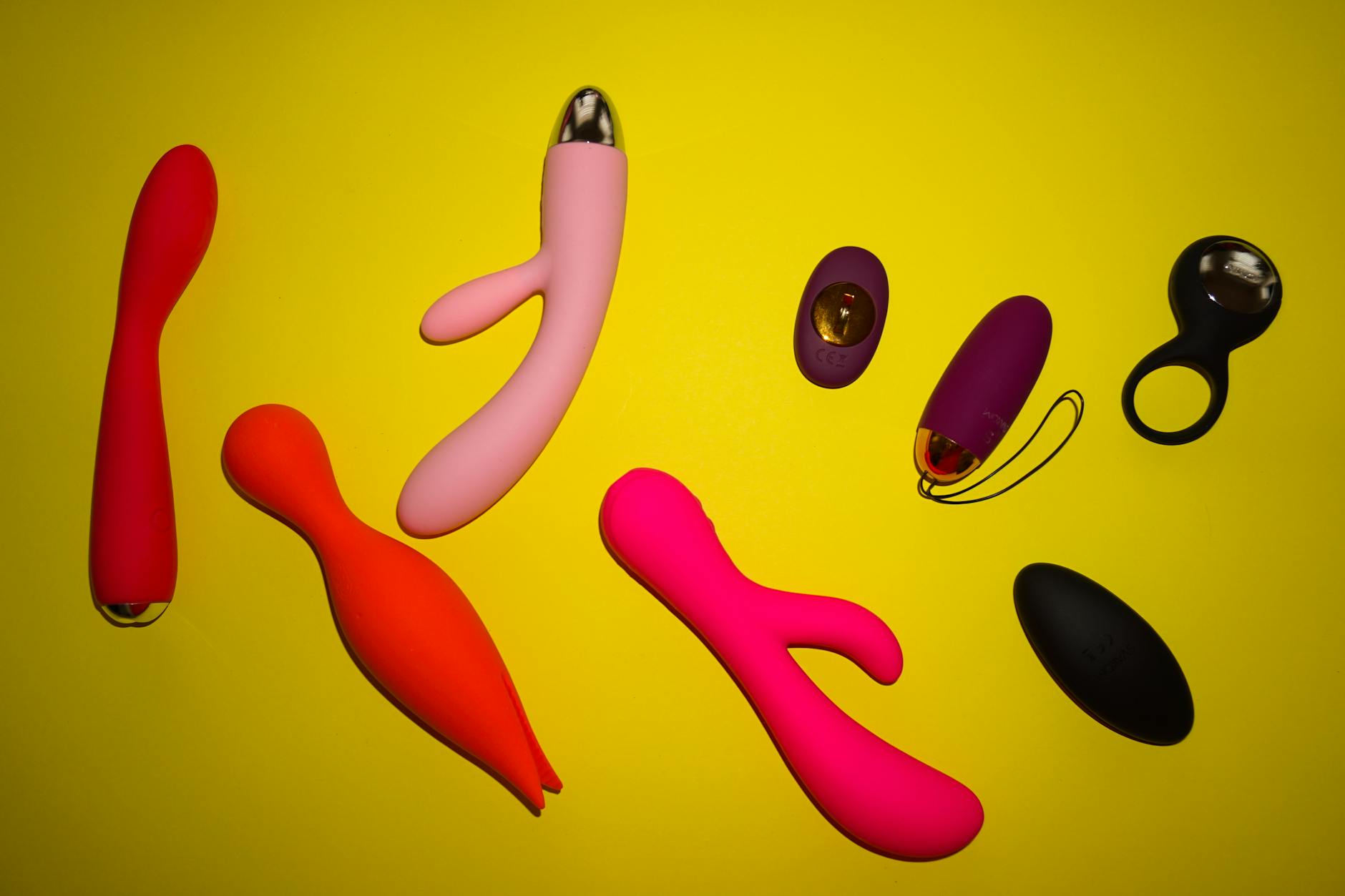
Here's the thing about SSRIs and orgasm
Selective serotonin reuptake inhibitors are genuinely life-changing for anxiety, depression, and OCD. Millions of people take them. But approximately 40-65% of people on SSRIs experience some form of sexual side effect. Most commonly? Delayed or completely absent orgasm, even when arousal and desire are totally intact. That contradiction is maddening, and it's also completely treatable.
I've worked with hundreds of couples where one partner is on medication that dulls orgasm. The pattern is almost always the same: "It feels like it's there, but I can't get there." Not broken. Not asexual. Just... stuck. The good news is that air-suction clitoral stimulation, the kind a lemon vibrator delivers, works around this blockade in a way traditional vibration often doesn't.
Why SSRIs make orgasm harder (and why it matters)
SSRIs flood your serotonin system, which is great for mood regulation. But serotonin also regulates sexual response. Higher serotonin = delayed orgasm in a significant portion of people. Your brain knows what to do. Your body knows what to do. The signal between them just takes longer, or sometimes doesn't fire at all.
This isn't psychological. Therapy won't fix it. Trying harder definitely won't fix it. What helps is changing the stimulus.
Traditional vibrators work through repetitive friction and vibration. Your nerves have to build up enough stimulation to push through the serotonin buffer. A lemon clitoral vibrator uses air-pulse suction technology instead. It creates rhythmic waves of gentle suction that stimulate differently. For many people on SSRIs, this pattern bypasses the delay and gets results faster.
How air-suction technology changes the game
Let me break down what's happening mechanically. A lemon vibrator like the Lem uses ultrasonic pulsing to create micro-suction waves against the clitoris. This stimulates the nerve endings without the sustained friction that traditional toys use.
Why does that matter for SSRI users specifically?
Direct nerve activation. The suction pattern fires your clitoral nerves in rapid pulses rather than sustained buzzing. For brains running on extra serotonin, this directness is often more effective. The stimulus is intense but also rhythmic, which helps maintain focus without fatigue.
Shorter pathway to sensation. With suction, you're not waiting for friction to build. The sensation is immediate and concentrated. For someone whose orgasm pathway is already delayed, cutting down the time to maximum stimulus can be the difference between reaching orgasm and giving up.
Less sensation fatigue. Traditional vibrators sometimes numb the area with prolonged stimulation. Air-suction patterns pulse on and off, which lets sensation reset between waves. That rhythm helps when your nervous system is already struggling with response timing.
Setting realistic expectations and pacing
First, understand that a lemon vibrator won't instantly fix SSRI-related anorgasmia. It's a tool that works better for many people, but not a magic solution. Second, patience isn't optional here. You're retraining your body's response, and that takes time.
Here's the practical timeline. Your first session with a lemon clitoral vibrator might take 30-45 minutes and not result in orgasm. That's normal. You're exploring a new sensation and figuring out what settings work for your body. Don't treat this like a race.
Session two and three: you'll feel more comfortable. Arousal might build faster. You might get closer but not finish. Still normal.
By session four to six, many people report breakthrough moments. Not because the vibrator is magical, but because your nervous system has adapted to the stimulus and your brain stops working against itself.
The setup that actually works
Environment matters more than you think. When your nervous system is already working overtime to push past medication effects, a stressful or distracted setting makes it worse.
Use a quiet space. Put your phone away. You need uninterrupted time, ideally 30-45 minutes minimum. Don't set a deadline for orgasm. That pressure kills everything.
Warm up first. Medication delays response, so arousal takes longer to build. Spend 10-15 minutes on foreplay, fantasy, or simple touch before you introduce the vibrator. Your body needs time to wake up.
Use generous lubrication. Water-based works best with silicone toys. Medication can reduce natural lubrication, so don't skip this. Good lube makes the suction work better anyway.
Start on the lowest setting. Intensity can go up, but you'll get more useful feedback starting gentle. Let yourself feel how the sensation builds.
Patterns and settings that help most
Most people on SSRIs report success with pulsing or wave patterns rather than steady vibration. The Lem's rhythm settings work particularly well because they mimic the natural pulse of arousal rather than fighting it.
Here's what I typically suggest: start on setting one or two for the first few sessions. Let your body adjust. Once you feel comfortable, move to mid-range settings (three to five). Save the highest intensities for later experimentation.
The key is consistency. Use the same pattern for several sessions before you switch. Your nervous system needs repetition to learn what works. Constantly chasing "harder" or "new" just resets that progress.
If you're not feeling anything after 15-20 minutes, pause. Take a break. Medication delays response, so "not yet" doesn't mean "never." Sometimes stepping back and trying again in a few hours actually works better than pushing through fatigue.
The mindset shift that changes everything
This is the part nobody talks about openly. SSRIs affect more than just nerve response. They affect how you think about your body and pleasure. If you've been struggling with anorgasmia for months or years, you've probably internalized some story about being broken. You're not.
Organ difficulty on medication is so common that it's basically a side effect, not a sign of something wrong with you. Thousands of people are figuring this out simultaneously.
The mindset work: separate medication response from your capacity for pleasure. A lemon vibrator isn't fixing you because you weren't broken. It's working with your brain chemistry to find a different pathway to sensation. That's it.
For people in relationships, communication helps. Tell your partner what's happening. "Delayed orgasm with SSRIs" is a fact, not a reflection on desire or attraction. The more openly you name it, the less shame sticks around.
When to talk to your doctor
If you're on an SSRI and experiencing sexual side effects, mention it to your prescriber. There are options. Some people benefit from timing adjustments (taking medication at different times). Others switch to SSRIs with lower sexual side effect profiles. A few add medications that counteract the effect.
Your doctor wants you to be on medication that works for your mood and doesn't demolish your sex life. That conversation is worth having.
If a lemon vibrator helps but doesn't fully solve the problem, that's useful information for your provider too. You're not complaining for nothing. You're gathering data.
FAQ: Common questions about lemon vibrators and SSRIs
Can a lemon vibrator really help with SSRI-related delayed orgasm?
For many people, yes. Air-suction technology stimulates clitoral nerves differently than traditional vibration, which can help bypass the delayed response associated with SSRIs. It's not a guaranteed fix, but the research and user reports support it working better than conventional vibrators for some people experiencing this side effect. Results vary.
How long does it take to see results with a lemon clitoral vibrator?
Most people notice improvement within four to six sessions. That doesn't mean orgasm every time. It means arousal builds faster, sensation feels stronger, and your nervous system adapts to the new stimulus. Be patient with yourself. Medication already delays things. Don't expect instant transformation.
What settings should I use on the Lem if I'm on SSRIs?
Start low. Use settings one through three for the first few weeks. Your nervous system is already working hard. Overwhelming it with maximum intensity doesn't help. Once you feel comfortable, gradually try mid-range settings. Most SSRI users report pulsing patterns work better than steady vibration.
Is it okay to use a lemon vibrator if I'm on multiple medications?
Generally, yes. The vibrator itself doesn't interact with medication. That said, if you're on multiple drugs that affect sexual response, talk to your doctor. Some drug combinations make anorgasmia worse. Understanding your full picture helps you set realistic expectations and know whether other interventions might help alongside the vibrator.
Should I combine my lemon vibrator with other techniques?
Absolutely. Kegel exercises, pelvic floor relaxation, partnered stimulation, and fantasy all support better arousal. When medication delays response, a multifaceted approach works better than any single tool. The vibrator is part of the solution, not the entire solution.
What if I try a lemon vibrator and it doesn't help?
Some people don't respond to air-suction the same way others do. That's okay. Talk to your doctor about other options. Some people need to adjust timing of medication, switch SSRIs, or add supplemental treatment. A lemon vibrator isn't a cure-all, and that's realistic.
The takeaway
SSRI-related delayed or absent orgasm is frustrating and isolating. It's also incredibly common and genuinely treatable. A lemon clitoral vibrator paired with the right environment, pacing, and mindset can help you reclaim pleasure that medication has made harder to access.
This isn't about "fixing" yourself. You're not broken. You're working with your brain chemistry to find what actually works. If you want to explore further, start with the lowest settings, give yourself time, and communicate with your partner and your doctor. Your pleasure matters. You deserve to find it again.
Have questions about using a lemon vibrator or navigating intimacy while on medication? We're here to help. Reach out to Hello Nancy through our contact page, or check out our guide on how to choose the right clitoral vibrator for your needs.