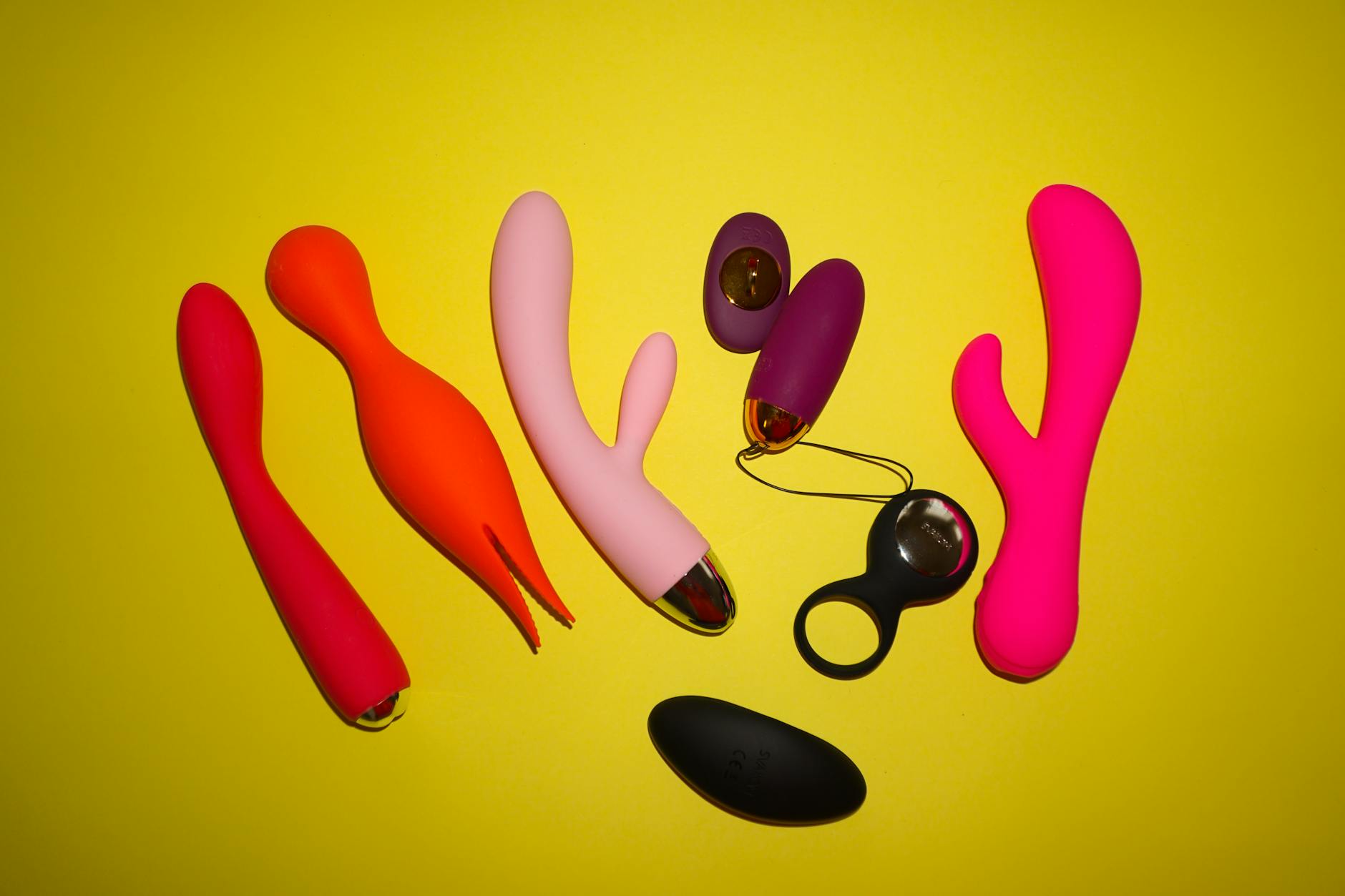
Let's be real about sensitive skin and suction toys
Having sensitive skin doesn't mean you have to skip the pleasure. But it does mean you need a different approach to lemon vibrators than someone with resilient tissue. The good news is that suction stimulation is actually gentler in most ways than traditional vibration. The catch is that lemon clitoral vibrators create sustained pressure, and pressure + sensitive skin requires intention.
I work with plenty of clients who have irritation issues. The pattern is almost always the same: they're using the wrong intensity, skipping lubrication, or jumping straight into play without warming up the tissue. Fix those three things, and most people can use lemon sexual toys comfortably.
What actually triggers irritation with lemon vibrators
Sensitivity shows up differently for different people. Some folks get raw or sore tissue. Others experience redness, stinging, or a burning sensation that lingers for hours. A few develop small welts or bruising from suction. Here's what causes each.
Direct suction without a barrier. The lem vibrator creates sustained negative pressure. That's what makes it feel incredible, but that same pressure can irritate delicate tissue if there's no lubrication between the toy and your skin. Lube acts as both a glide and a buffer.
Too much intensity too fast. Most people with sensitive skin jump to patterns 3 and above right away. Your tissue hasn't had a chance to acclimate. Start low and stay there longer than you think you need to.
Dehydrated tissue. If you're not naturally lubricated or if your lube has evaporated, the suction pulls at tissue that's already dry. This creates friction inside the toy, which translates to irritation outside.
Previous irritation that wasn't fully healed. If you tried a lemon clitoral vibrator before and developed soreness, your tissue needs recovery time. Jumping back in too soon compounds the damage.
Toy residue or build-up. Most people don't clean their toys properly. Bacteria or soap residue left on the silicone rim can trigger redness or minor infection-like symptoms.
The pre-play setup that prevents problems
Sensitive skin needs preparation. This isn't complicated, but it is non-negotiable.
Choose your lubricant carefully. Water-based lubes work best with silicone toys, but not all water-based lubes are created equal. Avoid anything with glycerin if you're prone to yeast infections or irritation. Avoid anything with parabens. Look for hypoallergenic, fragrance-free options. Sliquid Organics or Hylo are solid choices. Apply generously. The goal is a slick barrier between you and the toy, not a thin coat.
Clean your lemon vibrator before every use. Warm water and a drop of fragrance-free soap. Rinse thoroughly. If you skip this step, you're introducing bacteria or residue directly to sensitive tissue. It's the fastest way to trigger irritation.
Warm up your tissue first. Spend 10-15 minutes with manual stimulation or with your partner before you introduce the toy. This increases blood flow and natural lubrication. Your tissue will be more resilient and more ready.
Start the toy at the lowest setting. Every lemon vibrator has a pattern 1. Spend at least 5 minutes here. Your tissue needs to acclimate to the sensation and pressure.
The technique that reduces irritation
How you use the lem vibrator matters as much as the setup.
Don't seal hard. With sensitive skin, you don't need a vacuum seal. A light seal where you feel suction without intense pressure is enough. Move the toy slightly or adjust the angle if you feel too much pull. You're in control of the intensity, not the toy.
Move it around. Don't camp in one spot. If you spend more than 2-3 minutes in the exact same location, pressure builds and irritation follows. Shift the toy slightly every couple of minutes. Vary the angle. Treat it like you're exploring, not like you're trying to reach a destination as fast as possible.
Build intensity gradually. Once you're comfortable at pattern 1, you can move to pattern 2. But don't do that on the first try. Spend several sessions at pattern 1 before progressing. This gives your tissue time to adapt without getting overwhelmed.
Know when to stop. Mild sensation is fine. Stinging, burning, or rawness is your signal to pause. Don't push through it thinking it will get better. Remove the toy, wash off, apply a barrier cream if you need it, and rest.
What to do if irritation shows up anyway
If your skin reacts after using a lemon sexual toy, here's the recovery protocol.
Immediate. Wash gently with cool water. Skip soap if the area is already irritated. Pat dry. Apply a fragrance-free moisturizer or a thin layer of coconut oil if you tolerate it.
Next 24 hours. Skip the toy. Avoid partner penetrative sex if possible. Wear soft, breathable underwear. If you're sore, a cool compress for 5-10 minutes can help.
If it doesn't improve in 48 hours. Contact your GP or gynaecologist. What you're describing might be a minor reaction that needs topical treatment, or it could indicate an infection that needs antibiotics. Don't guess. Get it checked.
Most irritation clears up in a few days once you remove the trigger. But persistent redness, discharge, or burning after the toy is gone usually points to something that needs professional attention.
When to consider a different toy
Sometimes the lemon vibrator just isn't the right fit for your tissue type. That's okay.
If you've tried the setup and technique changes and you're still getting irritation within minutes of use, your tissue might respond better to a gentler clitoral vibrator. A traditional vibrator with lower frequency, or even a toy designed specifically for sensitive skin, might feel better. The goal is pleasure without pain. If the lem vibrator consistently causes problems despite your best efforts, it's not a failure on your part. It's information about what your body prefers.
Talk to a gynaecologist if you're unsure. Sometimes sensitivity is actually a sign of a condition like eczema or dermatitis that benefits from treatment. Once that's addressed, you might find that suction toys work beautifully.
The surprising part about lemon clitoral vibrators and sensitive skin
Here's what most people don't expect: lemon vibrators often feel less irritating than traditional vibrators once you get the setup right. The reason is that suction distributes pressure across a broader area instead of concentrating it on one point. That distributed pressure is often gentler than the focused buzzing of a standard vibrator. If you've had trouble with other toys, the lem might actually be your answer. You just need to approach it with sensitivity-focused technique.
Your pleasure matters. Sensitive skin doesn't change that. It just changes the path to getting there.
People also ask
Can I use a lemon vibrator if I have vulvodynia or chronic vulval pain?
Vulvodynia makes any sustained pressure painful, including suction. If you've been diagnosed with vulvodynia, talk to a pelvic pain specialist before using any toy. Some people with vulvodynia find that specific intensities or toy types feel okay while others don't. There's no one-size-fits-all answer. A specialist can help you figure out what your tissue can tolerate. Some of my clients with vulvodynia have had success with the lowest settings on lemon vibrators, but only after pelvic floor physical therapy.
Why does my skin feel raw after using a lem vibrator even when I use lubricant?
Rawness usually means one of three things. First, the lube might have dried out partway through play. Reapply if you're going longer than 10-15 minutes. Second, you might be using too much suction intensity. Start at pattern 1 and stay there for a few sessions before progressing. Third, you might not be warming up your tissue first. Manual stimulation for 10-15 minutes before introducing the toy makes a huge difference. If you've addressed all three and you're still getting rawness, it's worth checking in with a gynaecologist to see if there's an underlying sensitivity condition.
Is it normal for my skin to be red after using a lemon clitoral vibrator?
Mild redness that fades within an hour is pretty normal, especially if your tissue was very stimulated. But if the redness lingers for more than a few hours or looks angry and swollen, that's a sign you went too hard or too long. Next time, use a gentler approach. Start at the lowest intensity, use more lubricant, and don't exceed 15-20 minutes. If redness appears every single time you use the toy, your tissue is telling you something needs to change about how you're using it.
Should I be concerned if I develop small bruises from my lemon sexual toy?
Small bruises suggest the suction was too strong or you stayed in one spot too long. Both are fixable. For next time, reduce the intensity and move the toy every couple of minutes. If bruises keep appearing despite these changes, that toy might not be the right match for your tissue sensitivity. Consider reaching out to Hello Nancy's help team or a gynaecologist if you're unsure. Pleasure shouldn't leave marks you're worried about.
What's the difference between irritation and an allergic reaction to my lemon vibrator?
Irritation is usually localized redness, rawness, or mild burning that appears during or right after use. An allergic reaction often includes itching, swelling, hives, or a reaction that spreads beyond just the contact area. If you suspect an allergy, stop using the toy immediately. Wash the area well. If swelling or hives develop, take an antihistamine and monitor closely. If the reaction is severe, see a doctor. Most silicone toys are hypoallergenic, but if you have a history of silicone sensitivity, that's worth discussing with a gynaecologist before trying a lemon vibrator.
Can I use a different lubricant to help with sensitivity?
You can, but be strategic. Water-based lubes work best with silicone toys and are usually safest for sensitive skin. Hyaluronic acid-based lubes are thick and stay wet longer. Coconut oil feels luxe but can harbor bacteria and doesn't wash off as cleanly. Silicone-based lubes are slick but can degrade your toy over time. Stick with quality water-based options designed for sensitive skin. Sliquid, Hylo, and Yes are brands that work well with sensitive tissue. Avoid anything with glycerin, parabens, or fragrance.