The honest part nobody talks about
Let's be real. When you come out the other side of a major relationship transition, your body doesn't just pick up where it left off. You might feel disconnected from pleasure entirely. Or you might want to reclaim it but feel weird or self-conscious about where to start. That gap between desire and action is exactly where most people get stuck.
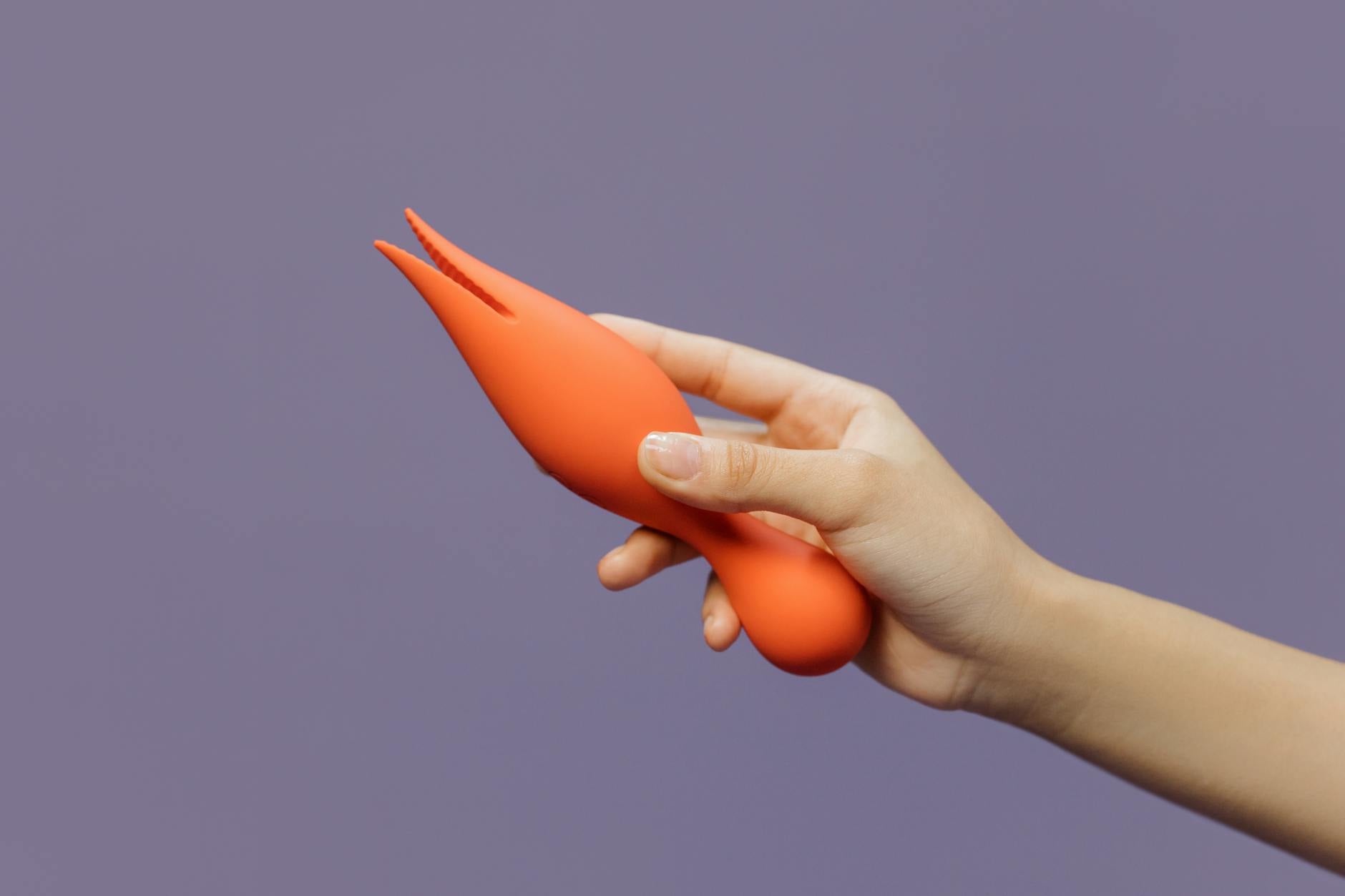
Here's what I know from working with couples and individuals through relationship shifts: pleasure is not something you lose. It's something you need to remember how to access. A lemon clitoral vibrator isn't a quick fix. It's a tool that helps you bridge that gap between disconnection and reconnection.
Whether you're rebuilding intimacy with an existing partner after a rough patch, starting fresh with someone new, or simply reclaiming solo pleasure after a relationship ended, the mechanics are similar. Your brain needs permission. Your body needs reassurance. And honestly? Having the right tool makes everything easier.
Why your nervous system needs to reset
When you go through a relationship transition, your nervous system has been in protection mode. If there's been conflict, betrayal, or distance, your body learned to brace. If you've been single for a stretch, pleasure might feel like a strange country you used to know.
This isn't failure. This is biology.
Sexual arousal requires your parasympathetic nervous system to come online. That's your "rest and digest" mode. When you're stressed, grieving, or rebuilding trust, your sympathetic nervous system (the fight-or-flight one) is still holding the wheel. You can intellectually want pleasure while your body is saying no.
Using a lemon vibrator during this phase isn't about forcing sensation. It's about creating a controlled space where your nervous system can practice feeling safe again. The specific pattern of suction stimulation that a tool like the Lem provides actually works with your nervous system rather than against it. It's not intrusive. It's more like a sustained conversation with your own pleasure center.
Starting with solo exploration first
Here's something couples often skip and then wonder why reconnection feels awkward. Before you bring a partner (or a new partner) into your pleasure practice, you need to reconnect with yourself.
This means scheduling time alone with your lemon clitoral vibrator. Not performing. Not proving anything. Just exploring what feels good right now, in this chapter of your life.
Start with low intensity patterns. The first three settings on a tool like the Lem are genuinely sufficient for nervous system reset. Spend five to ten minutes just letting suction rhythms help your body remember what arousal feels like. There's no goal here. No finish line.
Most people expect sensation to feel like it used to. It won't, and that's okay. You're not the same person you were six months or two years ago. Your body has different knowledge now. Curiosity beats expectation every time.
Creating the container
The physical space matters more than people admit. You don't need candles and rose petals. You need a door that locks and a mind that isn't doing three other things.
Set your phone to Do Not Disturb. Dim the lights if that helps you feel less visible. Some people need zero distractions. Others want soft music. The rule is simple: remove anything that triggers your threat response.
Your lemon sexual toy is small and discreet. That's partly intentional design. It means you can use it during shower time, which is a genuinely neutral space for a lot of people. No performance pressure, no bed with its associated memories. Just water, privacy, and your own pace.
For folks rebuilding with a partner, this solo phase matters more than you think. It's your proof that pleasure still lives in your body. When you carry that certainty into partnered intimacy, everything shifts.
The conversation before partnered use
If you're returning to intimacy with a partner, talk about the lemon vibrator before you use it together. Not as a substitute or a criticism of what they're doing. As an addition.
The frame matters enormously. "I want to explore this together because I'm getting back in touch with what feels good" is wildly different from "Nothing you do is working." One is collaborative. The other puts pressure on both of you.
You might say: "I've been using a Lem and it's helping me reconnect with pleasure. I'd like to use it together sometimes." That's it. Simple. Honest. If your partner feels insecure, that's a separate conversation about reassurance and what you actually want. But the tool itself should be framed as an addition to your pleasure, not a replacement for theirs.
Using it together without overthinking
When you do use your lemon clitoral vibrator with a partner, the most important thing is that you're not performing for them. You're still exploring. They happen to be there.
This is lowkey hard. Brains want to make pleasure about the other person. But sustainable intimacy after a transition requires both people to own their own arousal. You're not responsible for turning them on. They're not responsible for turning you on. You're both responsible for exploring what actually works.
Start with the vibrator while you're being touched in other ways. Some partners enjoy holding it, feeling the gentle vibration, adding that layer of participation. Others prefer to give you space while they touch you differently. Both are valid.
The pattern settings matter less than consistency. When you find a rhythm that works, stay with it. Your body learns. Your nervous system recalibrates. And suddenly, you're building new pleasure memories together instead of fighting old ones.
Timing and frequency
Don't treat solo pleasure as something you squeeze in when you're stressed. Treat it as maintenance. Once or twice a week, ideally. This isn't about quantity. It's about your nervous system getting regular reminders that pleasure is available.
For folks rebuilding with a partner, the frequency conversation is separate. You might use your lemon vibrator solo on Tuesday night and together on Saturday. Or you might use it solo three times a week and never with them. There's no prescription. The point is that solo practice shouldn't stop just because partnered intimacy is happening.
Timing also means protecting privacy. If you have kids or roommates, shower time is your friend. If you live alone, that's your built-in privacy window. Honor it.
When sensation feels different (and why that's fine)
After a relationship transition, pleasure doesn't feel the same. Period. Your nervous system has been rewired. Your expectations have shifted. Your body has literally changed.
You might find that intensity that used to work now feels too much. Or that you need more intensity than before to feel engaged. Both are normal. Your lemon clitoral vibrator gives you the range to adjust without replacing the whole tool. Start at pattern one. Work up slowly. There's no rush.
Some people expect pleasure to be this transcendent thing again. It might not be. It might be quieter. More grounded. Less about fireworks and more about reconnection. That's not worse. It's different. And different isn't failure.
If you're feeling genuinely numb or disconnected, that's worth mentioning to a therapist or doctor. Relationship transitions can sometimes trigger depression or trauma responses that need professional support. A tool helps. A professional helps more.
The emotional piece
Using a lemon sexual toy after a major relationship shift isn't just physical. It's a statement to yourself. It's you saying: My body matters. My pleasure matters. I'm worth taking time for.
That matters. A lot.
If guilt shows up (and for some people it does), name it. Guilt isn't a sign you're doing anything wrong. It's a sign your nervous system is still learning that pleasure is safe. Gently keep going anyway. Your body will catch up.
When you're rebuilding with someone new, using your lemon clitoral vibrator communicates something important to them too. It says: I know myself. I know what feels good. I'm not waiting for you to figure out my body. That's actually the foundation good partnered intimacy is built on.
If you find yourself struggling with shame or feeling stuck in disconnection, talking to a relationship coach or therapist can help enormously. A lemon vibrator is a wonderful tool for reconnection, but sometimes you need support processing the deeper stuff first. And that's totally okay.
FAQ
Should I use a lemon clitoral vibrator if I'm still grieving a relationship?
Yes. Pleasure and grief exist at the same time. Using your body to feel something positive doesn't mean you're over the relationship or that the loss doesn't matter. It means you're allowing yourself to exist in the gray space where healing actually happens. Start slowly, honor what comes up, and keep going.
What if my new partner feels threatened by my vibrator?
This is worth a conversation. You might say something like: "This is for me. It's how I reconnect with my own pleasure. I want to include you, but this is also solo time I'm protecting." If they're still uncomfortable, you might explore whether the issue is actually about the tool or about something deeper in how they relate to your autonomy. That's the real conversation to have.
How long does it take before pleasure feels normal again?
It depends. For some people, two weeks of consistent solo practice shifts everything. For others, it takes months. Your nervous system will tell you. If you're still feeling disconnected after three months of regular use, that's worth mentioning to a healthcare provider. Sometimes relationship transitions trigger deeper things that need support.
Can I use a lemon sexual toy while taking antidepressants or other medications?
Yes. Medications don't make you incompatible with pleasure tools. Some medications do affect sexual response, and that's worth discussing with your doctor. But the vibrator itself isn't contraindicated with any standard medication. If you're concerned, ask your provider directly.
What if I'm rebuilding with someone after infidelity or betrayal?
Pleasure after betrayal is complicated. Your nervous system doesn't trust. A lemon clitoral vibrator can help you remember that your body is your own and that pleasure doesn't require trust in another person (though partnered pleasure does). Use it solo first. Build your own foundation. Then, if you're working on rebuilding with your partner, bring them into that practice only when you're ready and only if both of you are committed to genuine repair.
Is there a "right" setting to start with on a lemon vibrator?
Start at pattern one or two. Most people rebuilding after a transition benefit from gentler suction rather than intensity. You can always increase. You can't decrease as quickly. Your body will tell you when it's ready for more.
The bridge forward
Returning to intimacy after a relationship transition isn't about getting back to where you were. It's about building something new. A lemon clitoral vibrator is a genuinely useful bridge in that process. It's how you practice safety with pleasure again. How you reconnect with your own arousal. How you show yourself and your partner that pleasure is worth protecting.
Your nervous system is smart. Your body is resilient. And pleasure isn't something you've lost. It's something you're learning to access again at your own pace.
If you're stuck or struggling with the emotional pieces alongside reconnection, we're here to help. Reach out anytime.