
Infidelity changes everything about how sex feels
Let's be honest. After infidelity, the bed becomes a minefield. Not because you don't love your partner. But because your nervous system has learned that intimacy isn't safe. The trust that made vulnerability possible has fractured. Sex goes from connection to proof of something broken.
This is not failure. This is a normal response to betrayal.
What I've seen work—over years of helping couples rebuild after infidelity—is a specific sequence. First, you reconnect with your own body and your own pleasure, outside the context of the relationship. Then, slowly, you bring that reclaimed sense of safety back into partnership. A tool like the Lem clitoral vibrator can be central to that first step. Not as a distraction, but as a way to remind yourself that pleasure belongs to you, independent of what happened.
Why solo pleasure matters more now than ever
Infidelity hijacks your sense of ownership. It whispers that your pleasure isn't yours to protect, that your body wasn't enough, that intimacy with a partner can't be trusted. Your mind starts policing sensation before it even begins.
Solo exploration reverses this. When you're alone with yourself, using a lemon clitoral vibrator like the Lem, you're making a simple declaration: my pleasure is mine. Not earned, not contingent on someone else's behavior, not something I have to negotiate or defend. Just mine.
Physiologically, orgasm after trauma rewires the nervous system. It downregulates the threat response. When your body experiences pleasure without the partner-shaped panic attached, it begins to separate the two. That separation is essential before you can bring partnership back.
Starting solo when everything feels complicated
Honestly though, the first time after infidelity, touching yourself might feel impossible. You might feel guilt. You might feel like you're betraying your partner by experiencing pleasure without them. That's the broken trust doing its job. It's manufactured, but it's real.
Here's what helps. Schedule it. Not romantically. Practically. "Thursday, 7 p.m., 20 minutes for me" shifts it from something sneaky into something owned. You're not hiding. You're protecting space for your own nervous system.
Start with low intensity. The Lem's pattern 1 or 2—barely perceptible at first. You're not chasing orgasm. You're reintroducing sensation as safe. Some sessions you'll reach climax. Some you won't. Both are fine. The point is consistency, not performance.
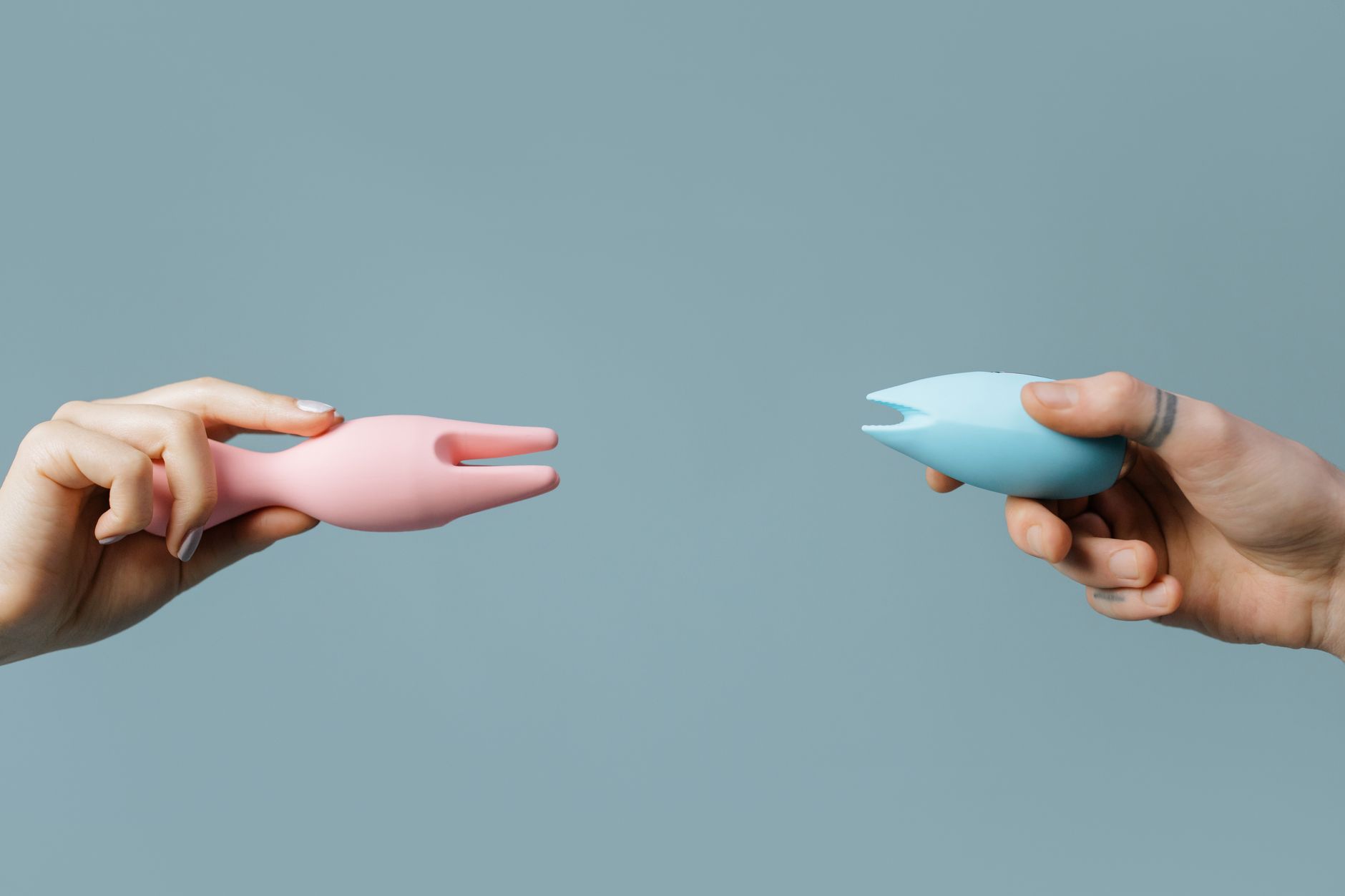
Photo by cottonbro studio on Pexels
When your body doesn't cooperate
After betrayal, many people find that arousal doesn't come easily. The brain's threat-detection system is in overdrive. Lemon vibrators and clitoral stimulation can't override that, and trying harder makes it worse.
What actually works is patience with numbness. If you're not feeling much from direct clitoral contact in the first few weeks, switch to indirect stimulation. Use the Lem against your inner thigh or through clothing. Let sensation rebuild gradually. Your nervous system needs evidence that pleasure is still available to you, but it needs that evidence slowly.
Also: don't do this while your partner is home if it creates anxiety. That defeats the purpose. The safety you're building needs to be real, not performed.
The timeline for bringing partnership back
There's no fixed number of weeks. But I typically see couples move back into partnered intimacy once solo pleasure feels genuinely easy again. When you can have an orgasm alone without guilt or numbness, you have something solid to stand on.
When your partner joins you, the first time is rarely about performance. It's about proving that your body can respond in their presence without the trauma hijacking everything. Some couples start by the hurt partner using a lemon clitoral vibrator during partnered sex—the Lem becomes a way to guarantee your own pleasure, independent of what they're doing. That builds evidence that pleasure and partnership can coexist again.
Others start with manual touch, no toys. What matters is that the hurt partner has agency. The Lem isn't a crutch. It's a tool that says "I'm responsible for my own satisfaction, and I can trust my body."
Communication that actually helps
Honestly, most couples skip the hard conversation because it's humiliating. But infidelity recovery requires words around pleasure specifically.
The hurt partner needs to name what they need: "I need to feel like my pleasure still matters to you." The unfaithful partner needs to hear it and act on it without defensiveness. Sometimes that means stepping back while you use a lemon vibrator solo. Sometimes it means actively participating in your pleasure but without expectation of reciprocal arousal.
What doesn't work: pretending the infidelity didn't change the sexual dynamic. It did. Acknowledging that isn't failure. It's the foundation for rebuilding.
When pleasure becomes part of the repair
After infidelity, when rebuilding has progressed, you might find that shared pleasure—using the Lem together, or having them watch you, or incorporating it into foreplay—becomes unexpectedly healing. Not because it erases what happened, but because it creates a new memory. A memory where vulnerability led to connection instead of heartbreak.
Many couples I've worked with describe this as the turning point. Not the moment they "forgave," but the moment pleasure felt safe again in the presence of the other person. The Lem becomes a symbol: evidence that you reclaimed something that infidelity tried to take.
When therapy is essential
I need to be clear: a lemon clitoral vibrator is not therapy. If you're struggling with intrusive thoughts during arousal, or if pleasure triggers panic, or if you can't imagine trusting your partner again, you need a licensed therapist, not a toy.
A tool like the Lem helps with the physical piece. But infidelity recovery is emotional work. Those two tracks need to run parallel. Your body reconnecting to pleasure while your mind is still processing betrayal creates a split that therapy can bridge.
Why some relationships actually strengthen after this
I know that sounds impossible right now. But couples who move through infidelity deliberately—who don't rush back to sex, who rebuild pleasure piece by piece, who use tools like the Lem to restore individual agency first—often develop deeper trust than couples who never faced this fracture.
Not because infidelity was good. But because they learned to talk about pleasure honestly. They learned that sex can be owned by both people simultaneously. They learned that vulnerability, properly protected, is safe.
That's the long game. Right now, using a lemon vibrator alone might feel like the smallest possible first step. It is. And it's the only step you need to take today.
FAQ: Pleasure and Trust After Betrayal
How soon after infidelity can I use a vibrator without feeling guilty?
Guilt often shows up immediately, regardless of timeline. That's your nervous system protecting you from perceived abandonment. It's not a sign you should wait. In fact, waiting often deepens the narrative that pleasure is something to be cautious about. Using a lemon clitoral vibrator is not infidelity. It's recovery. If guilt persists beyond initial discomfort, that's worth exploring with a therapist who specializes in betrayal trauma.
Can using the Lem during partnered sex actually rebuild trust?
It can be a tool for rebuilding, yes—but only if both partners see it that way. If the unfaithful partner feels displaced by the vibrator, that creates more distance. If they see it as proof of your pleasure mattering, something shifts. The conversation about what the Lem means has to happen first. It's not a prop. It's a statement.
What if my partner wants to "make it up to me" through sex too soon?
That's often more about their guilt than your healing. Sex as penance doesn't repair trust. It often deepens the fracture by making you feel obligated to perform forgiveness. Hold your boundary. You need solo pleasure and time to feel safe again before partnered sex becomes meaningful. Your partner's discomfort with that timeline is their work, not yours.
Is it normal to not feel aroused after infidelity for months?
Completely normal. Betrayal dysregulates the nervous system. Arousal requires safety, and your body has learned that intimacy isn't safe. This is not permanent, but it's not fast either. Using a lemon vibrator gently, without pressure, can help retrain the nervous system. But if months pass without any shift, professional support is important.
Should I tell my partner I'm using the Lem alone?
That depends on what you're comfortable with and what your relationship agreements are. Some couples find transparency essential. Others find that having something private helps the hurt partner feel like they have agency again. There's no rule. But if you're hiding it because you're ashamed, that's worth examining. Your pleasure doesn't need your partner's permission to happen.
Can a lemon sexual toy actually help us reconnect after infidelity?
A clitoral vibrator can help you reconnect with yourself, which is the foundation. But the reconnection with your partner requires the hard conversations, sometimes therapy, and a willingness from both sides to rebuild trust deliberately. The Lem can be part of that process—a way to reclaim your pleasure as yours, then bring that reclaimed sense of safety back into the relationship. But it's one tool in a larger process, not a shortcut through it.