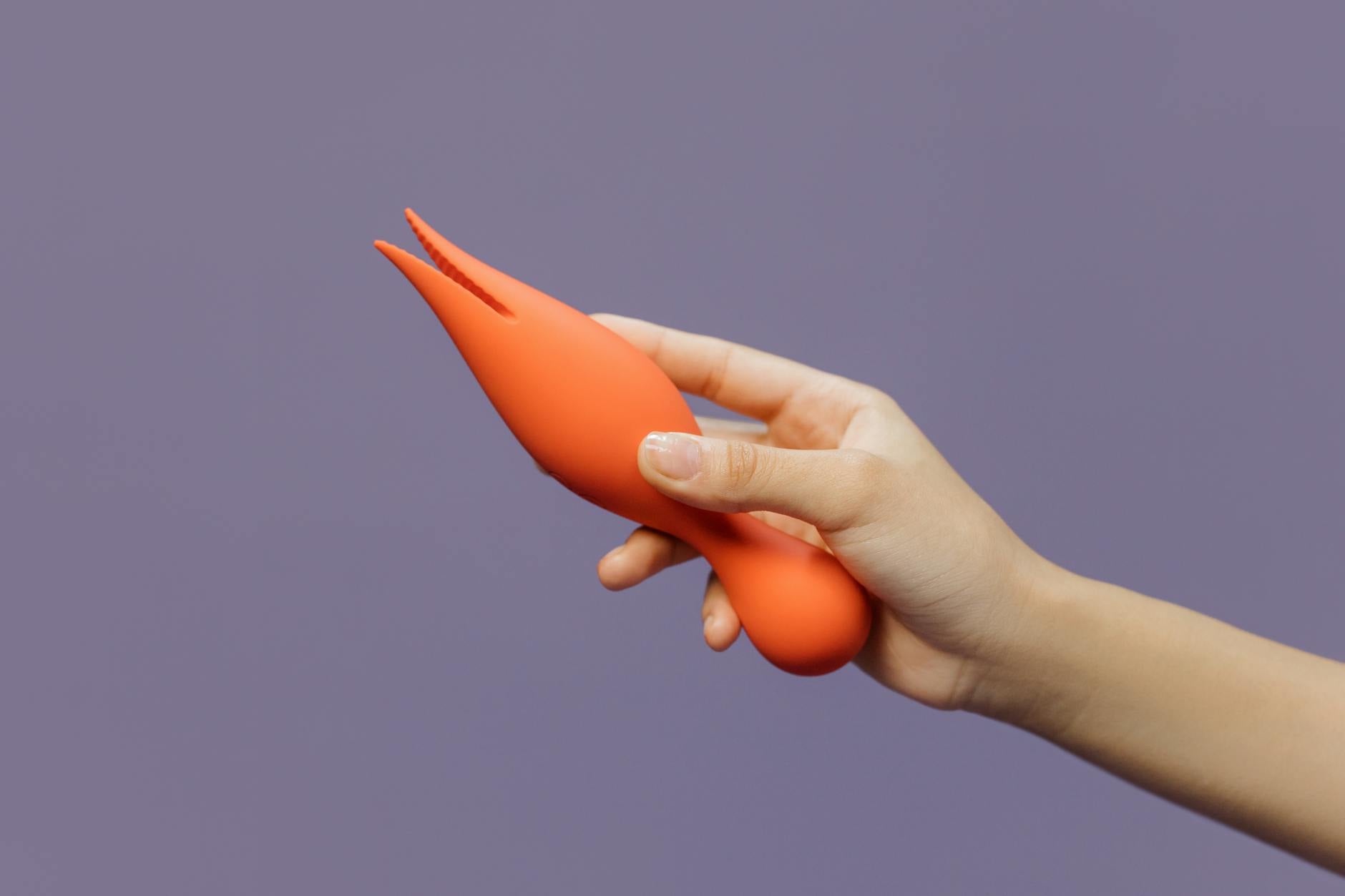
How to Use a Lemon Vibrator When Pain During Sex Makes Penetration Difficult
Let's be real: if penetration hurts, everything changes. The anxiety creeps in before anything physical even happens. Your partner gets tense waiting for you to tense up. You start avoiding sex altogether because the idea alone stings. Pleasure becomes theoretical instead of actual.
Here's what nobody tells you clearly. Pain during sex is not a sign you're broken. It's a signal that your pelvic floor, your nervous system, or your tissue needs a different approach. And that different approach often starts with clitoral stimulation that completely bypasses penetration.
I've worked with hundreds of clients whose sex lives transformed the moment they realized penetration was optional. The lemon vibrator, or Lem vibrator, became the bridge back to pleasure because it does one thing incredibly well: it stimulates the clitoris without any internal pressure.
Why penetration pain changes the pleasure equation
Vaginismus, vulvodynia, and dyspareunia (the clinical term for pain during sex) operate differently, but they share something crucial. They rewire what your nervous system expects during sex. Your pelvic floor contracts preemptively. Your brain associates sex with potential pain, not pleasure.
Penetration isn't the only path to orgasm. In fact, it's not even the most direct path for most people with vulvas. The clitoris has roughly 8,000 nerve endings concentrated in a space smaller than a pea. Stimulating it directly, with the right pressure and rhythm, often produces more intense sensation than penetration ever could.
When penetration is off the table, clitoral vibrators become not a compromise but a upgrade.
How clitoral vibrators work around pain
Unlike penetrative toys, the Lem and other lemon clitoral vibrators apply stimulation externally. There's no internal pressure, no stretching, no friction against tissue that's already sensitive. Instead, you control the intensity entirely.
The Lem works through air-pulse technology. It doesn't buzz like a traditional vibrator. It creates a gentle suction rhythm that stimulates the clitoris and surrounding tissue without the mechanical harshness that can aggravate pain conditions. For people with vulvodynia or other pain disorders, this matters wildly. Heavy vibration can feel like more pressure, not pleasure.
Start low. Pattern one on the Lem is barely perceptible. You're learning what your body will accept right now, not testing your pain threshold.
Building arousal without triggering pain anxiety
Here's where the mental piece matters as much as the physical one. If you've had painful sex, your nervous system learned to brace for pain. You might not even realize you're doing it until you try to relax.
Begin with the vibrator off. Hold it. Get familiar with the weight and shape. Run it along your outer thighs, your hip bones, your lower belly. This is not foreplay instruction. This is nervous system recalibration. You're teaching your body that this device doesn't mean pain is coming.
When you do turn it on, stay at pattern one or two for at least 10 minutes. Arousal takes longer when your nervous system is guarded, and that's completely normal. Let your mind wander. Listen to what your body actually needs rather than what you think it should feel.
Positioning matters when penetration hurts
Lying on your back tends to feel vulnerable if penetration has been painful. That same back-flat position is often where pain occurred. Lying face-down, on your side, or sitting upright can shift the entire experience. There's less pressure on your pelvic floor and more psychological permission.
Some people find that masturbating in the shower or bath helps because the water temperature and the enclosure create a sense of safety. Others prefer sitting in a firm chair where they feel grounded. Position is not trivial. It's part of reclaiming what pleasure feels like in your body.
What happens if you still feel pressure or discomfort
Stop immediately. This is crucial. You're not failing. You're getting information. Your nervous system might not be ready yet, and that's okay. Some people need pelvic floor physical therapy alongside pleasure exploration. Some need to address trauma or anxiety first.
If you feel burning, sharp pain, or intense discomfort, that's your pelvic floor saying "not yet." There's no achievement unlocked by pushing through. The win is recognizing that clitoral stimulation can be separate from the pain you experienced with penetration.
Many people with pain conditions find that several sessions of gentle clitoral exploration, weeks apart, eventually shift what their body expects. Pleasure becomes possible again. But it takes patience.
Partnered pleasure when penetration is off limits
If you have a partner, one of two things happens. Either they understand that this is medical and move forward with enthusiasm, or they need reassurance that your pleasure and your pain are separate things.
The Lem lets your partner participate if you want them to. They can hold it, adjust the pattern, and stay present without the pressure of penetration. Some couples find that removing the expectation of penetration actually deepens their intimacy because the focus shifts entirely to what feels good.
If your partner struggles with this, that's worth addressing directly and possibly with a therapist. Your body's pain is not a reflection on them. Your pleasure is not their responsibility. But mutual support matters, and sometimes external perspective helps.
When to add other elements
Once you've built confidence with clitoral stimulation, you might consider adding a partner's fingers or tongue. You might explore external massage of the perineum. You might discover that very light, slow internal touch becomes possible when your nervous system has learned that pleasure is on the table.
But this is not a progression timeline you're obligated to follow. Some people find that clitoral-only pleasure is exactly what they want. That's not settling. That's clarity.
Pain and orgasm don't have to be linked
One surprising discovery many of my clients make: orgasms feel different when they're not reached through pain. Sharper. More localized. Some describe them as more intense. You might discover that your best orgasms come from the Lem or another lemon clitoral vibrator, not from partnered penetration, and that's completely valid.
This matters because culture tells you that penetration is the "real" form of sex. That messaging is wrong. The clitoris is as real as it gets. Your pleasure is as real as it gets.
The physical health side
If pain during sex is new or worsening, get evaluated by a gynecologist trained in vulvovaginal pain. Vulvodynia, vaginismus, and other conditions are treatable. Pelvic floor physical therapy works. Topical treatments exist. Therapy helps. You don't have to white-knuckle through this alone.
A good provider will not tell you "just relax" or "it's in your head." If they do, find another one. Pain is real. Treatment works. And learning to access pleasure while you address the pain builds confidence that sex can be good again.
FAQ
Can I have an orgasm with a lemon vibrator if penetration has been painful?
Absolutely. Many people have their most intense orgasms through clitoral stimulation alone. The clitoris has thousands of nerve endings, and the Lem's air-pulse technology reaches those nerves without internal pressure. You might need to spend time rebuilding trust with your body first, but orgasm is entirely possible.
Will using a clitoral vibrator while I have pain make the pain worse?
Not if you start slowly and listen to your body. Begin with the lowest pattern, skip it entirely if you feel any burning, and understand that discomfort means stop, not push harder. Many people find that gentle external stimulation actually helps them feel more in control and more connected to pleasure.
How long does it take before pain during sex goes away?
That depends on the cause. Vulvodynia can take weeks to months to improve with treatment and nervous system retraining. Vaginismus often responds well to pelvic floor physical therapy. Some conditions improve rapidly, others slowly. Work with a gynecologist and pelvic floor physical therapist, not a vibrator, to address the underlying pain. The Lem is for rebuilding pleasure in parallel.
Can my partner use a lemon vibrator on me if penetration hurts?
Yes, and many couples find this helpful. Your partner can control the pattern and intensity while you focus on arousal and sensation. This removes the penetration expectation while keeping intimacy intact. Talk about it first so there's no surprise, and communicate about what feels good in real time.
Should I use lube with a clitoral vibrator if I have pain during sex?
Water-based lube can help even with external stimulation if your vulva feels dry or sensitive. It reduces friction and can make the experience feel less intense. Some people with vulvodynia find that lube actually allows them to enjoy the Lem more because there's no dragging sensation. Experiment and see what your body prefers.
Is it normal for the Lem to feel strange or uncomfortable the first time?
Completely normal. If you've had painful sex, your pelvic floor is probably guarded. The sensation of any vibration might feel like an intrusion, even though it's only external. Start with the vibrator off and your body clothed. Hold it in your hand. Let your nervous system adjust before you ever use it for pleasure.
You deserve pleasure that doesn't come with pain
Pain changes what's possible, but it doesn't end what's possible. Clitoral vibrators exist precisely because direct clitoral stimulation is incredibly effective and completely separate from penetration. The Lem works for people with pain because it gives you full control, generates pleasure without pressure, and lets you rebuild trust in your body at your own pace.
If you're navigating pain during sex, start here. Get support from a provider who specializes in vulvovaginal pain. And understand that the pleasure you're looking for is not some distant goal. It's within reach right now, with the right approach, at the right pace.
Have questions about how to move forward? Get in touch at /contact.