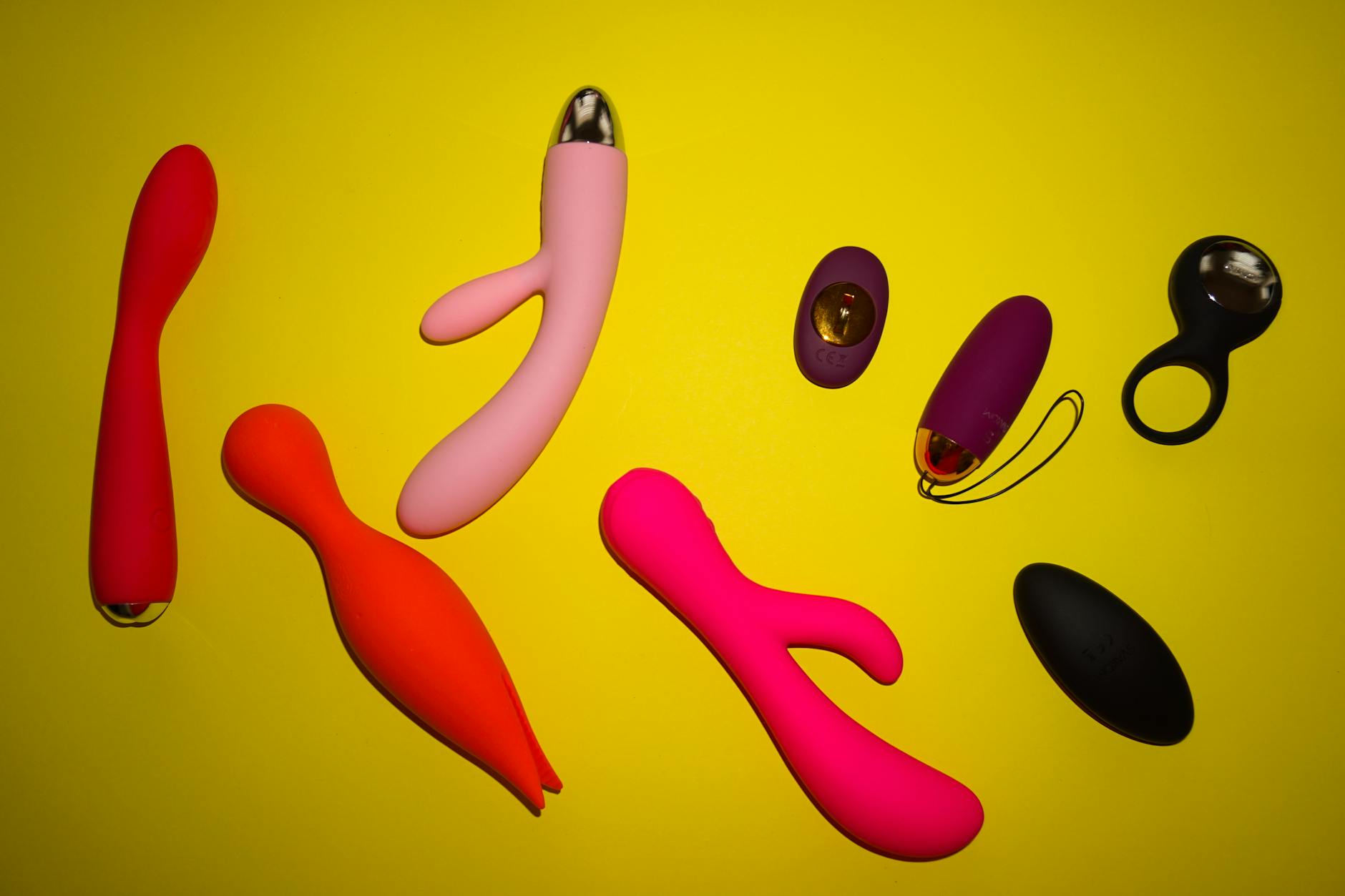
The paradox nobody talks about
Lubrication is supposed to feel good. So why does too much of it sometimes make orgasms feel impossible?
This is one of the most common problems I hear from people using lemon vibrators and other clitoral suction toys. You've been told your whole life that lube is essential, and it is. But there's a tipping point where extra slickness actually reduces the sensation you're trying to build, and your body can't cross the finish line.
Why lube reduces sensation (and what's actually happening)
Clitoral sensation works through pressure, friction, and vibration. When you add too much lubricant, you're essentially creating a barrier between the toy and your tissues. The suction mechanism of a lemon vibrator depends on some direct contact to seal properly and create the right amount of stimulation. With excessive lube, that seal becomes less effective, the pressure diffuses, and what should feel intense becomes muffled.
Your nervous system needs feedback to keep building arousal toward orgasm. Think of it like turning up the volume on a song but playing it through thick glass. The sound is still there, but something critical has been lost.
There's also a practical factor: water-based lubricant (which is what you should always use with silicone toys like the Lem vibrator) evaporates. As it dries, the sensation actually intensifies. But if you started with too much, you're chasing a moving target. By the time it's dry enough to feel good, you've lost your focus or your arousal has dropped.
The three types of lubrication problems and how to solve them
Too much lube from the start. This is the most common issue. You apply what you think is a normal amount, but for clitoral work with a lemon clitoral vibrator, you actually need much less than you would for penetrative sex.
Solution: Start with an amount the size of a small pea. I'm not exaggerating. Test it for 30 seconds. If you feel resistance or the suction isn't sealing well, you can add a tiny bit more. But most people find they need to use at least 80% less lube than their instinct suggests.
Lube that's too slick. Some water-based lubricants are formulated to be ultra-slippery, which is great for penetration but terrible for clitoral work where you want some grip between toy and skin.
Solution: Switch to a thicker, more gel-like water-based lubricant. Brands that sit somewhere between "thick gel" and "creamy" will give you better sensation feedback. You want something that stays put, not something that spreads across half your body.
Applying lube to the toy instead of your body. This is a subtle mistake that changes everything. When you lubricate the external surface of your lemon vibrator, you're coating the part that's supposed to create suction. When you lubricate your clitoris and vulva instead, the seal is stronger and the sensation cleaner.
Solution: Apply all lube directly to your skin, not to the toy. Let your body do the work. The toy should meet your body with enough moisture to be comfortable but not so much that it can't create contact.
The technique adjustment that matters most
When you're struggling to orgasm because of lubrication issues, the problem usually compounds itself. You use more lube hoping it will help, it makes things worse, you get frustrated, and arousal drops. Breaking this cycle is the priority.
Here's the reset protocol: Stop. Take a break for a few minutes, even if it feels premature. During this pause, wipe away excess moisture with a small towel. Not aggressively, just gently. You're not trying to dry everything completely. You're restoring some friction.
Now apply a tiny amount of fresh lube only to your clitoris. Press your lemon clitoral vibrator gently in place and start at the lowest setting. The sensation should feel much sharper. Your nervous system will register the intensity difference immediately. From here, you can gradually increase speed or intensity based on what your body is telling you.
Many people find that once they've restarted with the right amount of lube, they reach orgasm within 2-3 minutes. It's not magic. It's just feedback your body can actually feel.
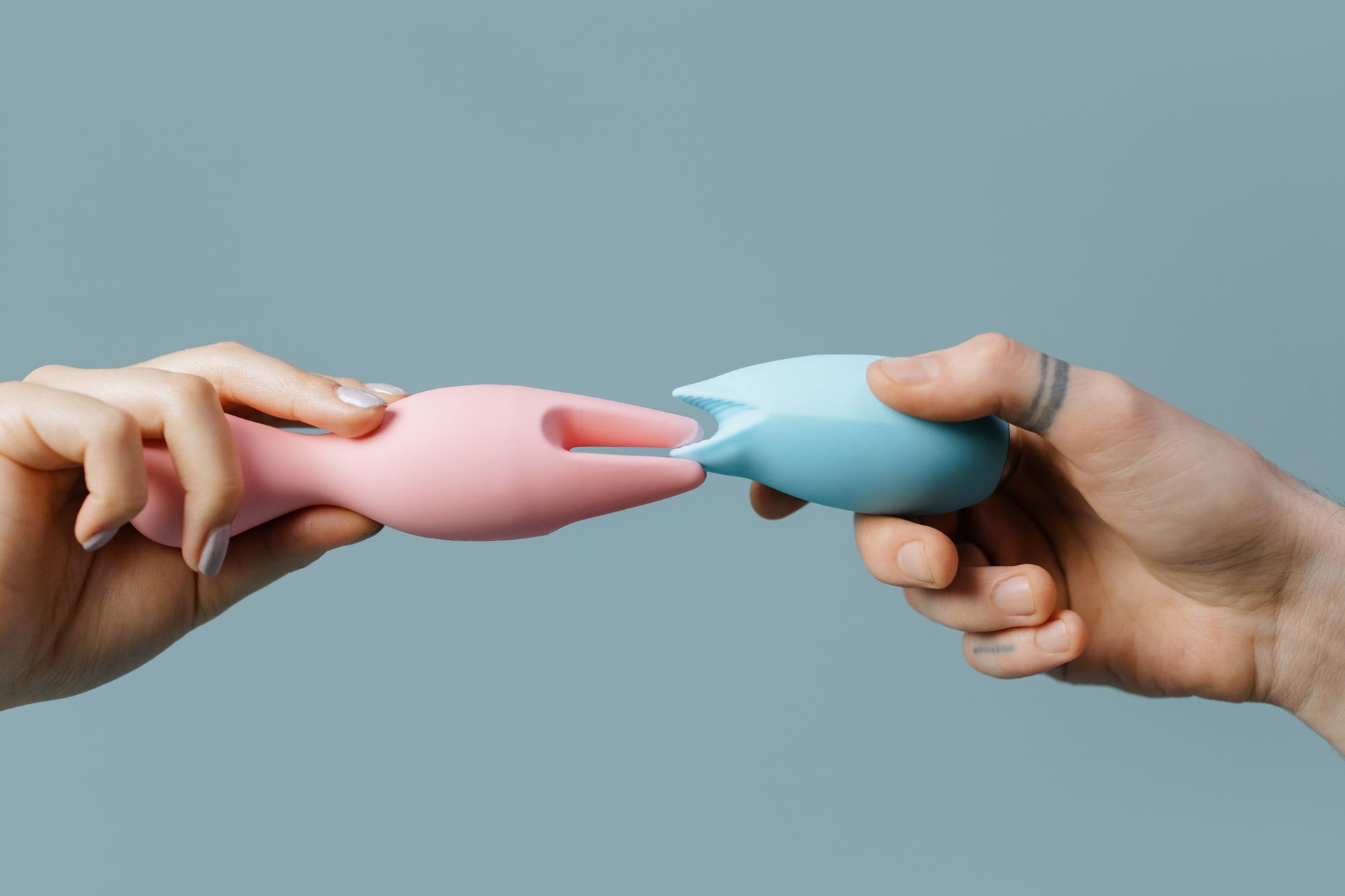
Photo by cottonbro studio on Pexels
What to do if you're naturally very lubricated
Some people produce a lot of natural lubrication, especially during arousal. If you're one of them, you might think you have more control than you actually do. That abundance of moisture that feels protective during penetrative sex becomes a liability with a lemon vibrator.
You have two options. The first is to acknowledge that you might need to use your vibrator before you're at peak arousal. This sounds counterintuitive, but it actually works. Start stimulation when you're only moderately aroused, let the toy build intensity, and your natural lubrication will increase at a sustainable rate. Your body will catch up.
The second option is to keep a small washcloth nearby and very gently blot away excess moisture every 60-90 seconds. This isn't about removing all lubrication, just managing it. You're keeping sensation sharp without disrupting your arousal.
When low sensation is actually about something else
Not every "can't reach orgasm" problem is a lubrication problem. Sometimes low sensation points to other issues: numbness from stress, medication side effects like those from SSRIs, or pelvic floor tension that makes relaxation hard.
Here's how to tell the difference. If you can feel the vibrator clearly when you first turn it on but lose sensation as things progress, it's a lubrication problem. If sensation feels consistently muted from the start, something else is at play.
You can also test by using your lemon sexual toy without any lubrication at all (just try it gently for 10 seconds). If sensation suddenly feels much sharper, you've confirmed the lube is your issue. If it still feels muted, you're dealing with a different layer.
The role of lube type over time
Different water-based lubricants behave differently as they interact with your body heat and moisture. Some stay slick. Others start to feel slightly sticky as they warm up, which can actually be useful because it improves the seal of your lemon clitoral vibrator.
If you've been using the same lube for years, try switching brands. What worked perfectly at 25 might not work at 35 or 45. Your body's natural lubrication changes, your skin sensitivity shifts, and sometimes a different lube formula suddenly makes everything click into place.
Always stick to water-based lubricants with silicone toys. Never use silicone-based lube, which will damage the toy. And avoid oil-based lubes entirely. They're hard to clean off, they damage condoms, and they disrupt your body's natural microbiome.
Building the right habit from scratch
If you're new to using a lemon vibrator and you're trying to get this right from the beginning, here's the system that works: Think of lube in terms of moisture, not slickness.
Your goal is a light layer of dampness, not a slick coating. Before you even reach for the bottle, get specific about what "a small pea" actually means for your body. It's roughly the size of a lentil or a small bead. That's your benchmark.
Apply it directly to your clitoris or vulva, not the toy. Wait 5-10 seconds for it to warm slightly against your skin. Then introduce the lemon vibrator at the lowest setting. Pay attention to what sensation feels like at this baseline. This becomes your reference point.
If you feel like you need more slip as arousal builds, add another tiny amount. But most people find they never need to. The combination of your body's natural lubrication and that initial small application is enough.
After a few sessions with this approach, your body will start to calibrate. You'll instinctively know how much lube works for you, and you won't have to think about it.
FAQ: Lubrication and lemon clitoral vibrators
Can I use silicone-based lube with my lemon vibrator?
No. Silicone-based lubricants will permanently damage the silicone material of your lemon sexual toy. Always use water-based lube exclusively. Check your lube bottle: if it says "safe for silicone toys," it's water-based. If there's any doubt, water-based is always the safer choice.
Why does my lube feel sticky as it dries?
That's actually a sign that it's working. Water-based lubricants are mostly water, which evaporates. As the water content decreases, you're left with the thickening agents and glycerin, which can feel slightly tacky. This is normal and often makes sensation feel sharper. If you hate the feeling, you can reapply a tiny bit of fresh lube, but try sitting with the sticky feeling first. Many people find it improves sensation.
How often should I reapply lube during a session?
Depends entirely on the lube and your body. Some people never need to reapply. Others find that after 5-10 minutes of use, it's helpful to add a tiny bit more. The sign you need more is usually friction that starts to feel uncomfortable rather than pleasurable. If you feel drag or resistance, that's your cue. Add just enough to restore glide.
Is there a lube that won't dull sensation?
Not really. The issue isn't the lube brand. It's the amount. Any lubricant in excessive quantities will muffle sensation. What you're looking for is a lube that stays in place (gel-based rather than runny), warms quickly against skin, and doesn't feel greasy. Experiment with brands that market themselves as "thick" or "gel" rather than "ultra-slick" or "silky."
I've tried reducing lube and it still doesn't help. What else could it be?
If you're confident lubrication isn't the issue, consider whether stress, medication, or emotional disconnection might be lowering sensation. SSRIs and some blood pressure medications can reduce clitoral sensitivity. Stress and anxiety can also numb sensation significantly. If you suspect something beyond lubrication is happening, it's worth a conversation with your doctor or a therapist who specializes in sexual health.
Can I use saliva or natural lubrication only?
You can try, but it won't feel as good. Saliva dries quickly and evaporates under toy friction. Natural lubrication from arousal is excellent for penetration but often doesn't provide enough slip for comfortable clitoral work with a vibrator. A small amount of water-based lube paired with your body's natural moisture is the sweet spot.
The right amount of lubrication with your lemon vibrator is a learnable skill, not a mystery. Start small, pay attention to sensation, and adjust from there. Your body will tell you when something is working. Listen to it.
If you want to deepen your understanding of what works for your body, reach out to us. We're here to help you get the most from your pleasure practice.