Let's name what's happening
Depression doesn't make you broken. It makes you unavailable. Your nervous system is offline, your dopamine is depleted, and the thought of doing anything that requires desire or energy feels somewhere between impossible and pointless. Pleasure? That's not even on the menu right now.
Here's what I want you to know before we go further. Your body's capacity for pleasure is still there. Depression doesn't erase it. Depression puts it in storage.
Why depression kills libido (and why it's not your fault)
Depression is a full-body shutdown. It affects dopamine, serotonin, and norepinephrine. These chemicals aren't just mood regulators. They're the fuel for desire, arousal, and the physical sensations that make pleasure feel like something worth pursuing. When depression tanks your neurotransmitters, libido doesn't disappear because you're broken. It disappears because the neurochemical infrastructure that supports desire is offline.
Many of my clients also take SSRIs or other antidepressants that directly suppress sexual desire as a side effect. So you're dealing with a two-part problem: depression itself plus medication that can numb sensation and motivation. That's not weakness. That's pharmacology.
If medication is part of your picture, talk to your prescriber before making any changes. Sometimes switching the timing of your dose (taking it after sex instead of before) helps. Sometimes a different medication works better for you. Don't suffer in silence thinking you have to choose between mental health and sexual function.
The guilt trap (and how to skip it)
Most people I work with feel guilty about low libido during depression. They feel like they're letting down their partner, like they should be "trying harder," like normal people can push through. This is the thinking that turns depression into depression plus shame.
You can't willpower your way out of depleted neurotransmitters. You can't think positive about dopamine. The guilt doesn't fix the problem. It just adds another layer of failure to a nervous system that's already offline.
If you have a partner, the conversation you need to have is not "I'm broken." It's "Depression is temporarily changing how my body responds. Here's what helps me feel like myself again." Sometimes that's medication adjustment. Sometimes it's therapy. Sometimes it's both. Your partner's job during this chapter isn't to fix your desire. It's to show up for the person you are right now.
Pleasure as medication, not performance
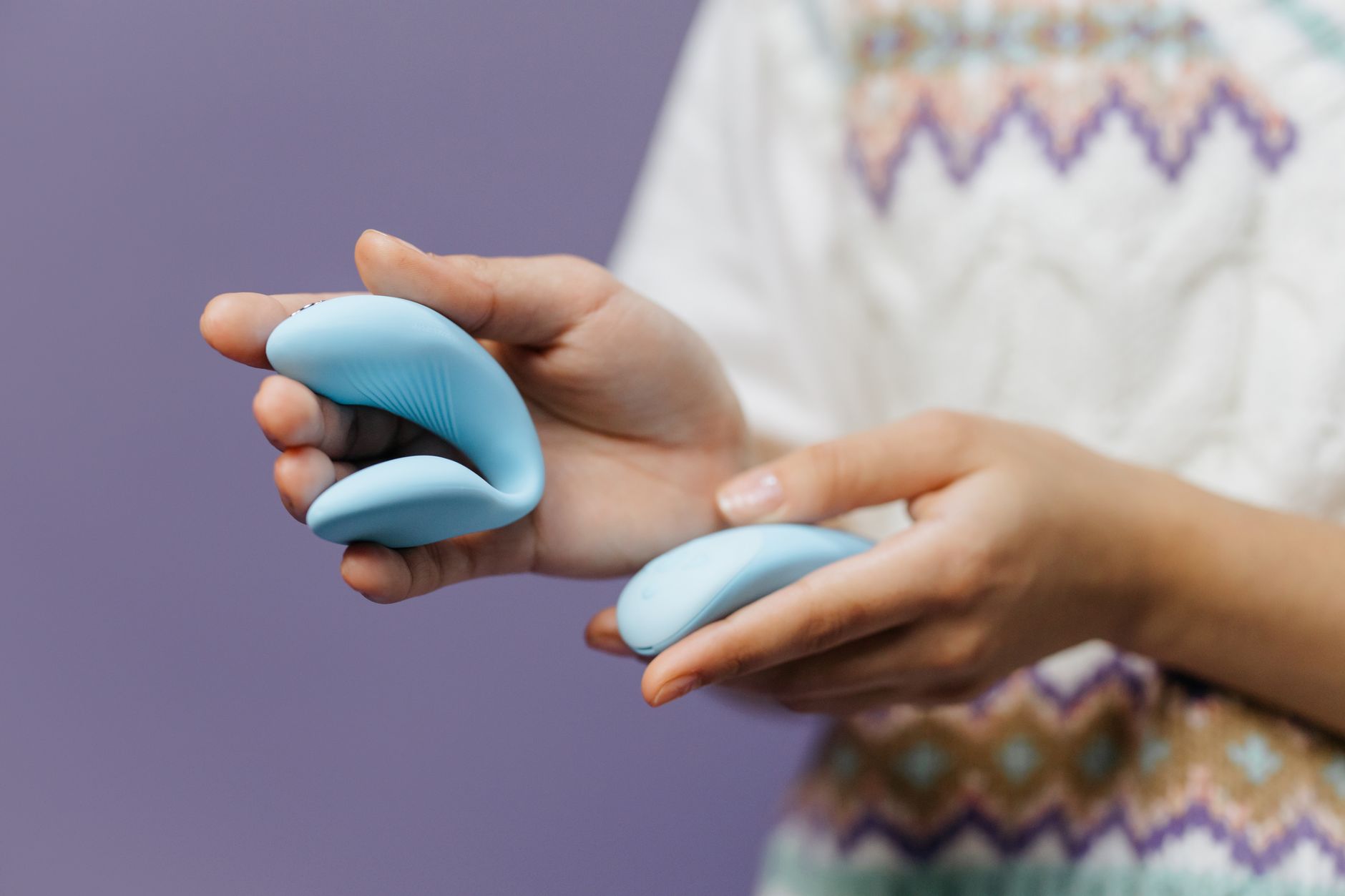
Here's where the lemon clitoral vibrator enters the picture, but not the way you might think.
When depression has flattened your desire, using a vibrator shouldn't feel like another obligation. It's not "I should want this." It's "My body needs input right now, and I'm giving it that input, even though my brain isn't on board."
A lemon sucker like the lem works particularly well during low-libido periods because it doesn't require much from you. You don't need to be aroused. You don't need to be in the mood. You don't need motivation. You just need to hold it against your clitoris and let the suction and pulse pattern do the work.
My clients report that physical pleasure, even when desire is absent, can actually help shift the nervous system. The lemon clitoral vibrator stimulates nerves, sends signals up your spinal cord, and creates a small window of physical sensation that depression is trying to shut down. It's not about having the best orgasm. It's about reminding your body that pleasure is still possible, even when your brain is sure it isn't.
How to use it when motivation is zero
Four practical shifts when depression is in charge.
Start with the lowest setting. Depression can make sensation feel overwhelming or numb at the same time. Patterns 1-2 on a lemon vibrator are gentler. You're not trying to chase an orgasm. You're trying to create a small experience of sensation.
Schedule it like medication. Not "I'll do this when I feel like it," because you won't feel like it. "I'll use this Tuesday and Friday mornings for 10 minutes." Consistency matters more than intensity when depression is present. The repetition tells your nervous system that pleasure is part of the routine again.
Skip the expectation of orgasm. When depression is deep, climax might not happen, and chasing it will turn this into one more thing you failed at. The goal is sensation. Arousal. A small shift in your nervous system. If an orgasm happens, great. If it doesn't, you still got what you came for: five minutes where your body wasn't in depression mode.
Use a partner or don't. If you have someone in your life, you don't need to perform for them. You can use the lemon vibrator while they read next to you, or watch, or just exist in the same room. Sometimes the presence of another person helps. Sometimes being alone with your body is what feels right. Both are okay.
What happens when you reconnect this way
I had a client, Marcus, who spent three months in a depressive episode where he couldn't imagine wanting sex ever again. His partner was patient but worried. When Marcus started using a lemon vibrator on a Tuesday and Friday schedule, nothing magical happened at first. The first two weeks, he barely felt anything. Week three, he noticed he was looking forward to it on Tuesday mornings. Not because he was horny. Because his body had learned it was a time when pleasure was possible.
Six weeks in, his desire started showing up again. Not back to normal. But back to possible. The vibrator wasn't a cure. It was a reminder that his body's capacity for pleasure hadn't gone anywhere. Depression was just borrowing it for a while.
That's what I mean when I say pleasure can be medication. It's not fixing the depression. It's re-establishing a neural pathway that depression is trying to erase: the path from your body to sensation to the possibility of feeling something other than numb.
When to layer in other support
A lemon vibrator is useful. It's not a substitute for therapy or medication or the other pieces of actual treatment. If you're dealing with depression, you need a mental health professional. You might need medication. You might need lifestyle shifts. You might need all three.
The vibrator is something you're doing in parallel. It's part of remembering that your body is still in the room. It's a small way of saying to depression: you don't get to erase this.
If you're struggling to access mental health care, check your insurance coverage, local community health centers, or sliding-scale therapy options. Crisis lines like the 988 Suicide & Crisis Lifeline (call or text 988) have counselors and resources available 24/7. You deserve support that actually helps.
Permission slip
You don't need to feel horny to use a lemon clitoral vibrator. You don't need to be in the mood. You don't need your desire to be at a certain level before your body gets to experience sensation. Depression tells you that you're broken and that pleasure is impossible. Your job is to prove it wrong, not by feeling better tomorrow, but by using your body today, even when your brain doesn't believe in it.
That's not forcing yourself. That's care. And your body deserves it, even when depression says it doesn't.