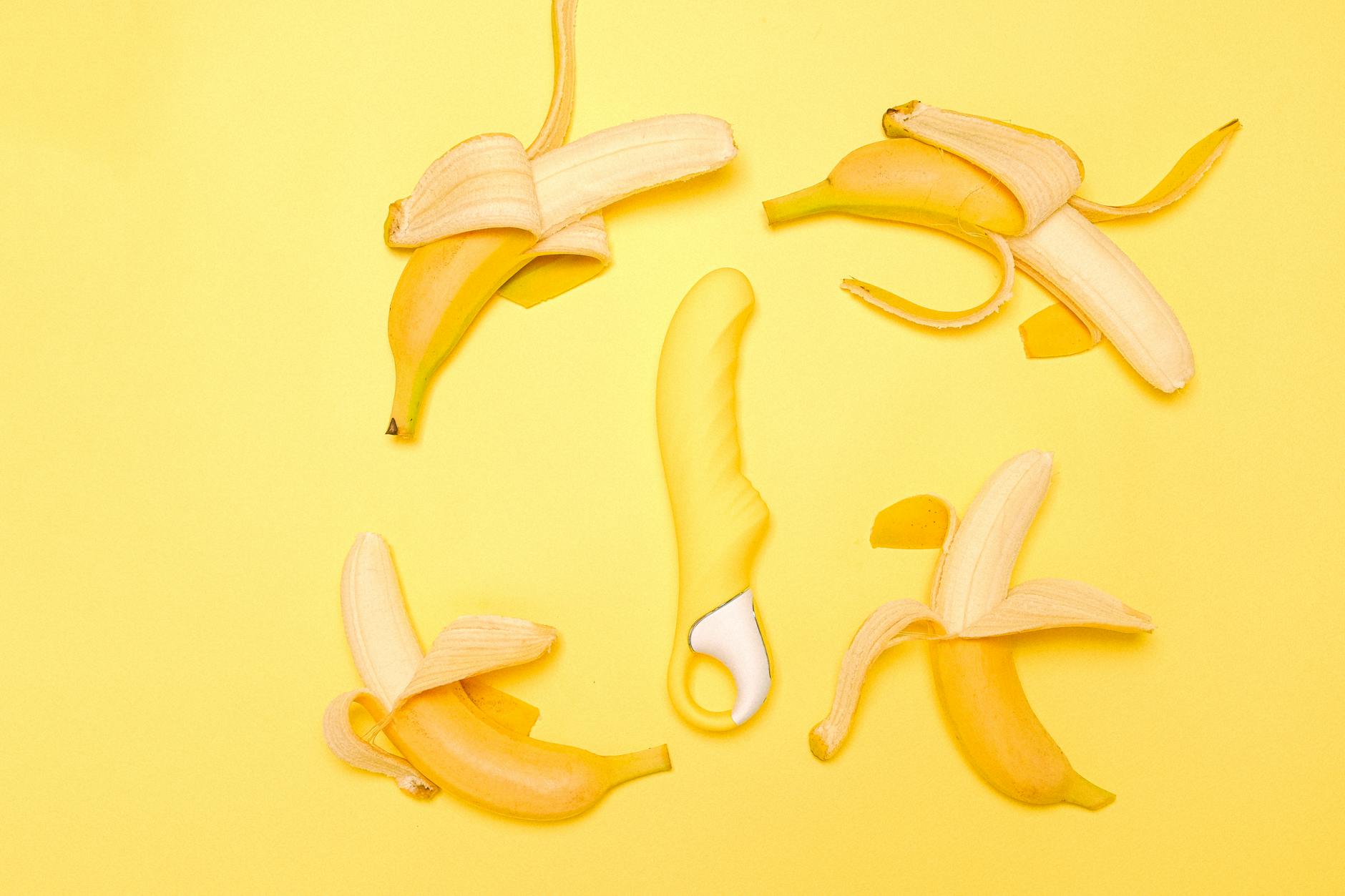
Let's start with this: your sensitivity is not a problem
When your clitoris feels too raw, too sharp, or too painful for direct touch, the reflex is to assume something is wrong with you. It isn't. Clitoral hypersensitivity is real, common, and completely workable—especially with the right tool and technique.
The Lemon vibrator's air-suction design is actually one of the most forgiving approaches for sensitive tissue because it doesn't rely on friction or vibration intensity alone. Instead, it creates a gentle pulse of pressure that you can control with positioning, layering, and pattern selection. This means you get stimulation without the sharp sensation that direct vibration can create.
Why your clitoris might feel hypersensitive
There are several reasons why direct touch might feel uncomfortable right now.
Raw tissue from frequent masturbation or partner contact is the obvious one. But sensitivity also spikes during certain phases of your cycle, after irritation from tight clothing or friction, from anxiety or tension in the pelvic floor, or from inflammation related to arousal itself. Some people find that their clitoris becomes sensitive after extended periods without sexual stimulation—the tissue is literally less conditioned to sensation.
Hormonal fluctuations matter too. Estrogen affects tissue thickness and resilience. If your estrogen is lower due to hormonal birth control, menstrual phase, or perimenopause, your clitoral tissue will be thinner and more prone to discomfort. The same thing happens after illness or stress, when your body is running on fewer resources.
The point: hypersensitivity doesn't mean you can't use a lemon clitoral vibrator. It means you need a different approach.
The positioning strategy: indirect contact first
With a traditional vibrator, you'd ease off the intensity. With the Lemon, you change where it touches.
Start with the Lem positioned just above your clitoris, over the mound of tissue above it. The suction will create sensation that radiates downward into the clitoral head without direct contact. This indirect approach lets you feel the stimulation without the sharp intensity that direct positioning creates.
If even that feels strong, move the Lem sideways, positioning it against the inner labia. The suction will still reach your clitoris through the tissue, but diffused and softer. You're getting the same air-suction technology at a fraction of the direct intensity.
Another positioning option: angle the Lem so its tip is between your clitoris and your pubic bone, creating pressure on the base rather than the head. This fires the clitoral nerves from a different angle and often feels less sharp than head-on contact.
Experiment with angles rather than jumping straight to intensity adjustments. Many people find that repositioning alone transforms a vibrator from painful to perfect.
Layering: the game-changing technique
Layering means putting something between the Lem and your skin.
Start with a thin, smooth fabric—cotton underwear, a soft cotton cloth, even a folded paper towel. Position the Lem through the fabric against your clitoris. The fabric absorbs some of the suction force while still delivering stimulation. It's like the difference between someone touching you through a thin shirt versus directly on skin.
You can layer with lubrication too. A thin coat of water-based lube on your clitoris before using the Lem actually reduces the intensity of the sensation while making the contact feel smoother and less raw. This seems counterintuitive—you'd think lube means more sensation—but what it actually does is prevent friction and cushion the suction.
Start with fabric layering for your first few sessions. Once your clitoris adjusts, you can move to lube-only layering, then eventually to direct contact if you want to. You're titrating the intensity gradually, letting your tissue adapt.
Pattern selection matters more than you think
The Lemon vibrator comes with multiple patterns. If direct contact hurts, the first move isn't to lower the overall intensity setting—it's to change the pattern.
Steady, continuous suction often feels sharper than rhythmic patterns. Try the pulse or wave patterns first. These interrupt the constant pressure, giving your clitoris micro-breaks even while stimulation is happening. Your nervous system registers this as gentler, even if the peak intensity is the same.
Start on pattern 1, the lightest rhythm. Spend 5-10 minutes here with indirect positioning (above the clitoris or sideways) or with fabric layering. Most people find that their sensitivity decreases after a few minutes of low-intensity input. This is normal desensitization—your nerve endings are getting used to the signal and turning down the volume on it.
After that warm-up window, you can usually move to pattern 2 or direct positioning without discomfort. The key is not rushing into full intensity. Give your tissue time to warm up and adjust.
Lubrication and warm-up time
You'd think lubrication is only for penetrative sex, but it changes everything for sensitive clitoral work.
A water-based lube makes the Lem's suction feel less aggressive because it creates a smooth interface between the toy and your skin. No friction, just sensation. Start with a thin layer—you don't need much. If you use too much, the seal breaks and you lose the suction effect, so less is actually more here.
Warm-up time matters equally. Spend 10-15 minutes with touch, external sensation, or just mental arousal before you bring the Lem in. A clitoris that's already partially aroused is less likely to feel hypersensitive because blood flow has increased and tissue is already slightly engorged and less tender. You're not starting from a cold start.
Consider what you do right before: if you've been sitting in tight underwear or there's been friction from activity, give yourself 20-30 minutes of rest before using the Lemon. Let the tissue calm down.
When sensitivity might signal something else
If positioning, layering, and pattern changes don't help after 3-4 sessions, or if the sensitivity comes with pain, burning, or unusual discharge, that's a signal to check in with a gynecologist.
Genitourinary syndrome of menopause, vulvodynia, and contact dermatitis all feel like hypersensitivity but need actual clinical care. A good doctor can rule these out quickly and suggest targeted treatments. It's not a reflection on you or your ability to feel pleasure. It's just information about what your tissue needs right now.
The patience piece
Hypersensitivity often improves with gentle, consistent use. You're teaching your nervous system that this sensation is safe and pleasurable, not a threat. That takes time. Three weeks of regular, low-intensity sessions can completely change your baseline sensitivity.
The Lemon vibrator is built for this kind of gradual, nuanced approach. Use it, adjust positioning and patterns based on what feels good, and let your tissue adapt. Your clitoris is capable of incredible sensation and orgasm. Sometimes it just needs a pathway that doesn't feel like a sharp shock. That's what this technique creates.