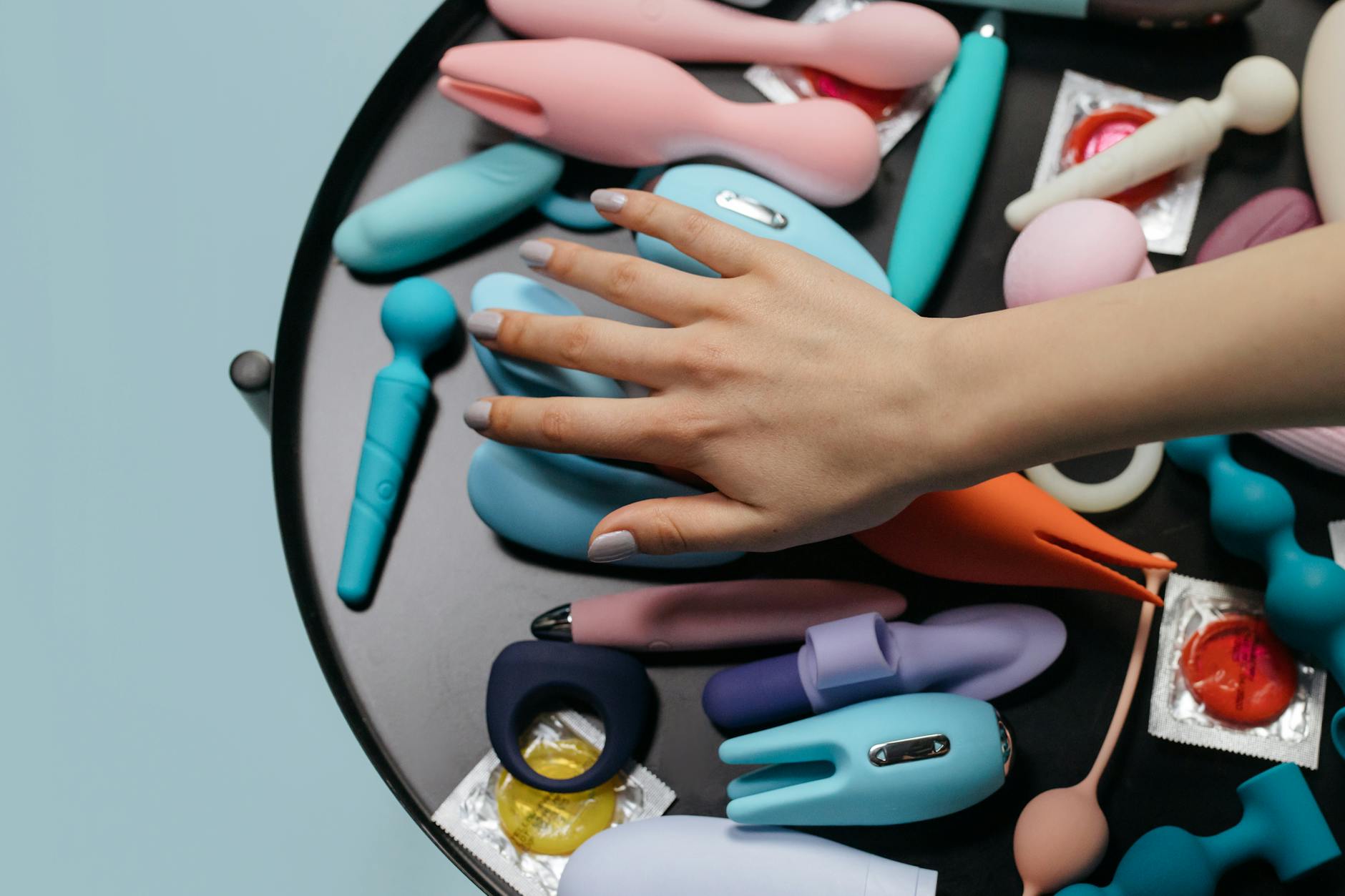
How to Use a Lemon Vibrator When Breastfeeding Affects Sensation and Desire
Let's be real. Nobody sits you down before you start nursing and says, "By the way, your breasts are about to become a baby's primary food source, so don't expect them to feel sexy for a while." But that's exactly what happens for many nursing parents. Your breasts shift from being an erogenous zone to being functional, utilitarian, and frankly, touched out by the end of the day.
Then there's the whole hormonal situation. Prolactin (the milk-making hormone) suppresses estrogen and testosterone, which means arousal can feel distant, sensation can feel muted, and your usual pleasure pathways might feel like someone turned down the volume on your body. Add sleep deprivation, a new human who demands constant physical contact, and the grief of your pre-baby body, and sex starts to feel like another task on a to-do list you didn't ask for.
The good news is that this is temporary, understandable, and totally fixable. And clitoral vibrators like the Lemon can help you find your way back to pleasure during one of the most physically demanding seasons of your life.
Why Breastfeeding Changes Everything (Including Sex)
When you're nursing, your body is in a specific hormonal state optimized for milk production, not arousal. Prolactin levels are high. Estrogen is low. Oxytocin (the bonding hormone released during nursing) can feel deeply satisfying in a way that makes partnered sex feel less urgent.
But here's what's really happening: your nervous system is in a constant state of nurturing and caregiving. You're being touched, held, and depended on by a tiny human for hours every day. The idea of more touch, even pleasure-focused touch, can feel overwhelming. This isn't a desire problem. It's a nervous system that's already maxed out on physical contact.
On top of that, breast sensitivity changes. Some nursing parents find their breasts feel almost numb. Others find them hypersensitive to the point of pain during any contact beyond the baby's mouth. Both are normal. Both mean you might need a different approach to pleasure than you had before.
The Sensory Overload Piece Nobody Talks About
Here's a pattern I see constantly in my practice: a partner approaches a nursing parent for sex, and the first thing that happens is they reach for the breasts. It makes sense on the surface. But after eight hours of a baby nursing, pumping, or both, the last thing that body needs is more breast stimulation. It feels like an extension of feeding, not an invitation to pleasure.
This is where a lemon clitoral vibrator changes the equation. By focusing stimulation on the clitoris instead of the breasts, you're giving your nervous system permission to experience pleasure in a completely different way. You're saying, "This is for me, not for feeding a baby." That distinction matters more than you'd think.
The Lemon's air-suction design is particularly helpful here because it doesn't require you to lie on your back with your partner on top of you (which puts pressure on sore, engorged breasts). You can use it while sitting up, lying on your side, or in any position that feels comfortable for your postpartum body.
Physical Changes and What They Mean for Pleasure
Breastfeeding creates two main physical shifts:
1. Vaginal dryness. Low estrogen means less natural lubrication. This is temporary, but it's real. Water-based lube becomes essential, not optional. Apply it generously before you use any vibrator, including the Lemon. This isn't a sign something's wrong with you. It's a sign your hormones are doing exactly what they're supposed to do.
2. Pelvic floor sensitivity. Pregnancy and birth change your pelvic floor muscles. Some people find they're hypersensitive during the nursing window. Others find they're weaker, which can affect how sensation travels. Low-intensity settings on clitoral vibrators work better during this phase. Start at pattern 1 or 2 on the Lemon and work up slowly. You might surprise yourself and discover you prefer lower intensities even after you wean.
Third, there's the touch threshold. Your nervous system is simply receiving more touch input than it can process. When someone reaches for you for sex, your first instinct might be "no, don't touch me." This is not rejection of your partner. This is your nervous system saying, "I'm at capacity." A lemon vibrator you control lets you set the pace and intensity, which often makes pleasure feel possible when partnered approaches feel like more demands.
Timing, Space, and Permission
When you're nursing, timing matters in a completely different way than it did pre-baby. You're not waiting for "the mood." You're waiting for a window. A 20-minute window between feeds, after the baby goes down, when your breasts don't hurt, when you're not actively leaking, and when you haven't been touched out.
That window is rare. It's also sacred.
I recommend solo exploration during this phase more than partnered sex, and not because partnered sex is off limits. It's because using a lemon vibrator alone gives you complete control over sensation, timing, and intensity without negotiation. You can stop instantly if the baby cries. You can take 45 minutes or 10 minutes. You can focus purely on reclaiming pleasure as something that belongs to you, not something you're doing for someone else.
Many of my clients find that solo sessions with a clitoral vibrator during the nursing phase actually restore desire and sensation faster than trying to have partnered sex on someone else's timeline.
How to Actually Use It During Breastfeeding
Start with lower intensity settings. Your nervous system is already stimulated. You don't need maximum power to achieve pleasure. The Lemon's gentler settings are often where the magic happens during this season.
Use lubricant, even if you think you don't need it. Low estrogen means dry tissue. Dry tissue means you need external lubrication. This isn't failure. This is physics.
Position matters. Sit up or recline at an angle instead of lying flat. This takes pressure off your breasts and prevents the sensation of being suffocated by your own body.
Budget time after the baby is asleep, after you've been touched out all day, and when you're not in active pain from engorgement or soreness. If you're engorged or in pain, express a little milk first or apply a warm compress. Then give yourself 15-20 minutes for your nervous system to downshift from caregiving mode to pleasure mode.
Consider using the Lemon as part of a broader reclamation of your body. This isn't just about orgasm. It's about remembering that you have a body that can feel good in ways that have nothing to do with feeding or nurturing anyone else.
When to Loop in Your Partner
If you have a partner, the conversation about breastfeeding and desire needs to happen separately from the sex conversation. Because they're not the same thing. You can have low desire and high breast sensitivity while still wanting emotional intimacy, touch on other parts of your body, or penetrative sex that doesn't involve your breasts at all.
A partner who understands that you're not avoiding them, but rather protecting your nervous system, can become an ally in this phase. That might mean they support you exploring solo pleasure. It might mean they learn to touch you in ways that feel restorative rather than demanding. It might mean they hold your Lemon in a drawer and you ask them to use it on you sometimes. All of those are valid.
What doesn't work is pretending everything is fine while you're dying inside. Communicate. Be specific. "My breasts hurt," is more useful than "I don't want sex." "I need 20 minutes of not being touched before I can enjoy being touched," is more useful than "I'm not attracted to you." Your partner can't read your nervous system. But they can listen to your words.
The Postpartum Timeline and Pleasure
Breastfeeding-related changes to desire and sensation usually start lifting around 12 weeks postpartum, though every body is different. Exclusive breastfeeding has stronger hormonal effects than combination feeding or pumping. As you introduce solids and gradually decrease nursing frequency, estrogen starts climbing back up. Desire often returns. Sensation normalizes. Your breasts start feeling like yours again instead of just feeding equipment.
Until then, lemon clitoral vibrators serve a specific purpose: they let you access pleasure without the sensory overload of partnered sex or breast stimulation. They're a way of saying, "I'm still in here." They're how you remember that pleasure is possible even when your body feels completely taken over.
Many people find that the solo exploration they do with a Lemon during the nursing phase becomes a permanent part of their pleasure practice afterward. You discover things about what feels good when you're not being touched out. You learn the difference between pleasure that's demanded and pleasure that's chosen. That's a gift the postpartum phase can give you, if you let it.
FAQ: Breastfeeding, Pleasure, and Clitoral Vibrators
Is it normal to have zero desire while breastfeeding?
Completely normal. Prolactin suppresses estrogen and testosterone, which are essential for desire. Add sleep deprivation, constant physical touch demands, and the reality that your body is literally a food source, and desire often goes into hibernation. This isn't permanent, and it doesn't mean something's wrong with your relationship. Your hormones are doing their job. They'll rebalance as breastfeeding frequency decreases.
Can I use a lemon vibrator if my breasts are really sore or engorged?
Yes, but focus entirely on clitoral stimulation, not breast touch. The Lemon is designed for clitoral pleasure, so it works perfectly even when your breasts are off-limits. If you're in severe pain, take care of that first through expression, warm compresses, or pain relief. Pleasure is easier to access when you're not in pain.
Will using a clitoral vibrator during breastfeeding affect my milk supply?
No. Sexual pleasure and orgasm don't impact milk production. Estrogen and prolactin levels stay the same whether you're having an orgasm or not. The Lemon is a safe, effective tool during nursing.
How do I tell my partner that I need solo time with a vibrator instead of partnered sex?
Direct and kind: "I need some time alone with pleasure that's just for me right now. This isn't about you. It's about my nervous system being overstimulated by parenting and nursing. When I explore on my own, I feel more connected to my body, and that helps me feel more connected to you." Most partners understand when the communication is specific and reassuring.
When does desire usually come back after breastfeeding?
For many people, around 3-4 months in, as nursing frequency decreases and hormones start rebalancing. Some people feel shifts as early as 6-8 weeks. Others take longer. Exclusive breastfeeding typically suppresses desire more than combination feeding. Talk to your doctor if desire hasn't shifted at all by 6 months postpartum.
Can I use a lemon vibrator while actually nursing or pumping?
You can, but most people don't find it helpful. The goal during the postpartum window is usually to access pleasure that's completely separate from the caregiving experience. Using a vibrator while nursing blurs that line. Solo exploration in a different space, after feeds, tends to feel more restorative.
Reclaiming Your Body on Your Terms
Breastfeeding is a profound gift to your baby and a temporary takeover of your body. Both things are true. The goal during this season isn't to have the same sex life you had before. It's to find small moments of pleasure that feel restorative rather than demanding. A lemon clitoral vibrator lets you do that on your timeline, at your intensity level, without negotiation or performance.
Your pleasure matters. Your body matters. And the fact that you're nursing doesn't mean you've disappeared. You're still in there, and there are ways to remember that. Start small, give yourself permission to explore slowly, and trust that this particular phase of your life has an expiration date. The desire comes back. The sensation normalizes. Your breasts become yours again.
Until then, let the Lemon remind you that you're not just a parent or a milk source. You're a person who can feel good.
If you're navigating this season and feeling lost about how to reconnect with yourself and your partner, reach out. We can work through it together.