Let's start here: slower isn't worse
Your arousal used to show up in five minutes. Now it takes twenty. Or thirty. And somewhere along the way, you started interpreting that as a problem. It's not. It's a change. And changes deserve strategy, not shame.
Slower arousal is wildly common. It happens after stress cycles, during hormonal transitions, after relationship shifts, even just because your body's baseline has evolved. The frustration isn't about the timeline itself. It's about mismatch. If your partner is ready in eight minutes and you need twelve, that gap creates pressure. Pressure kills arousal. So you end up in a loop where waiting longer makes it harder to arrive at all.
Why arousal timing actually shifts
Arousal isn't one thing. It's a chain reaction. Your brain receives a stimulus. That triggers a cascade through your nervous system. Blood flows toward your genitals. Tissues swell. Lubrication increases. Your clitoris engorges and becomes more sensitive. All of that takes time. When does it take longer?
Stress is the number one culprit. Your sympathetic nervous system is still running background processes from work, parenting, or relationship friction. It's hard to flip into parasympathetic mode when part of your brain is still managing a to-do list.
Hormonal changes slow things down too. Estrogen and testosterone both influence how quickly arousal builds. Lower levels mean longer ramp-up times. This is especially common in your late thirties and forties, and again during perimenopause and menopause.
Mental load matters enormously. If you're holding emotional weight from your relationship, worry about being judged, or pressure to perform, your nervous system stays vigilant. Vigilance is the enemy of arousal. You can't be both on guard and turned on at the same time.
Last: sometimes bodies just slow down naturally with age. The tissues that respond to stimulation are still responsive. They just need more time to wake up. That's not dysfunction. That's aging.
How the lemon vibrator changes the equation
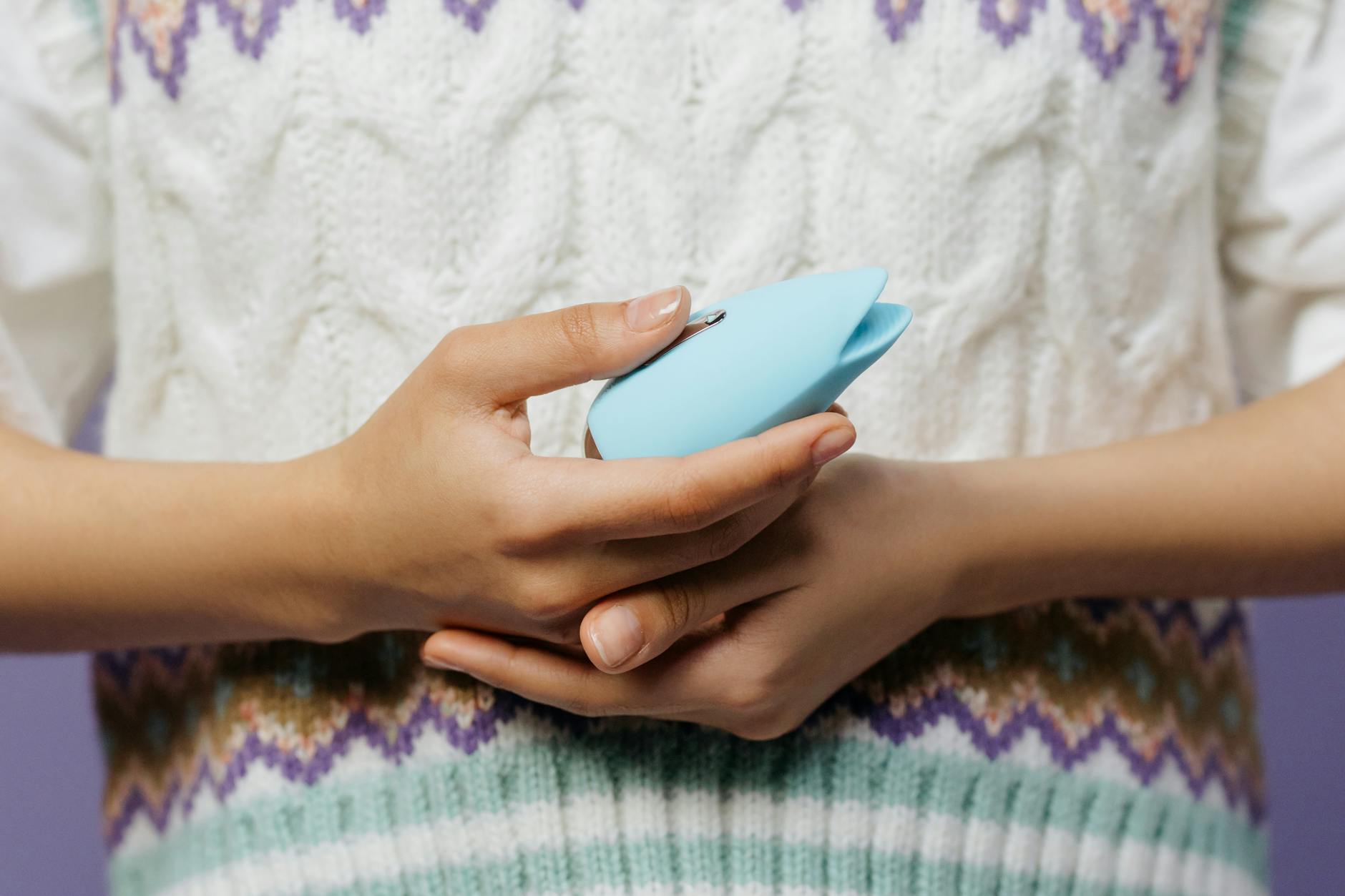
The Lemon clitoral vibrator is specifically designed for consistent, targeted stimulation. Unlike fingers or variable pressure, it delivers steady sensation without your having to generate it. That matters when arousal is slow to build.
Here's the mechanics. When you apply a lemon vibrator early in your arousal timeline, you're giving your nervous system a clear, unambiguous signal. The sensation is consistent. It's not tentative. Your brain doesn't have to work hard to interpret it. That reduces cognitive load, which means your parasympathetic nervous system can actually settle.
The suction mechanism of a lemon clitoral vibrator works differently from traditional vibration. Instead of rattling tissues, it creates a gentle pulling sensation that mimics the rhythm of oral sex. This engages deeper nerve pathways. Many people find they can feel arousal building faster when they're using suction because the stimulation is more sophisticated than simple vibration.
Most importantly: using a device removes the pressure from your partner. They're not waiting for you. They're not checking in. They're either enjoying themselves too or they're present and comfortable. That psychological shift alone can speed your arousal timeline by five to ten minutes.
The timing strategy that actually works
Don't wait until you feel aroused to reach for your lemon vibrator. That's backwards. Start using it during the warm-up phase, when arousal is still arriving.
Begin with your device on a lower setting. Patterns one through three on most clitoral vibrators are gentler. The goal isn't to push toward orgasm quickly. It's to give your body a clear signal that stimulation is happening. Your nervous system will start its cascade response.
Plan for fifteen to twenty minutes of warm-up time if you're historically a slow arouser. That's not excessive. That's realistic. If your partner is involved, they can be touching you elsewhere, kissing you, or enjoying themselves while your lemon vibrator does the work of building clitoral engagement. You're not lying there waiting for your body to cooperate. You're actively stimulating yourself while they contribute their own attention.
One practical detail: if natural lubrication is slow to arrive too, add a water-based lubricant early. Don't wait to see if you produce enough. Lubrication and arousal are related but not the same. Adding lube removes another variable that might make you feel like something's wrong.
What to do when your partner finishes first
This is the scenario that derails most people. Your partner is satisfied. You're at arousal level six out of ten. The moment shifts. Suddenly you're performing the rest of the arousal journey solo, which feels different, which disrupts your focus, which resets your progress.
Talk about this in advance. Before you're in the moment, agree that when one person is satisfied, they transition to a supporting role. That might mean they keep touching you. It might mean they watch while you continue with your lemon vibrator. It might mean they leave to shower while you finish alone. All of those are viable.
The key is removing surprise. If your partner knows the plan, there's no awkwardness. There's no pause. There's no moment where you have to manage both your arousal and their expectations.
Solo play is also completely legitimate. If you want to use your lemon vibrator alone specifically because it lets you build arousal at your own pace without any external pressure, that's a choice worth making regularly. Many people find their arousal accelerates faster when they're alone because there's zero performance pressure.
Building arousal across the day
Here's a secret most therapists won't tell you: arousal doesn't start when you reach for your partner. It starts when you start thinking about it. You can build arousal in the hours before intimacy with your partner, which means you're meeting them halfway rather than asking your body to go from zero to sixty instantly.
Send yourself a text during the day. Think about a sensation you enjoy. Watch a scene that interests you. That's not cheating on your partner or replacing them. That's priming your nervous system so it's ready to respond when you actually have time together.
Some people use their lemon vibrator solo earlier in the day or evening, then meet their partner later. That takes pressure off the partnered encounter because you're not depending on it to deliver all your pleasure. You've already had a solo session. Now this time together is bonus, not last-chance.
When arousal time becomes a real problem
There's a difference between "it takes me longer now" and "I can't get aroused at all." If you're not arriving at arousal even with extended time, consistent stimulation, and reduced pressure, that's worth exploring with a therapist or gynecologist.
Depression, anxiety, certain medications, unresolved relationship conflict, and actual medical conditions can all flatten arousal response. A lemon vibrator is a brilliant tool for slow arousal. It's not a fix for absent arousal. If you suspect something deeper, talk to someone.
The real permission you need
Slow arousal only feels like a problem because there's an imaginary timeline you're measuring yourself against. Someone else's experience, a scene from a movie, what you used to experience. None of that is your actual life.
Your arousal timeline is valid. Your body's response is valid. Taking twenty minutes or thirty minutes isn't a failure. It's information. Armed with that information, a good tool like a lemon clitoral vibrator, and a partner who's willing to plan around your actual rhythm, slow arousal becomes just another part of your intimate life, not an obstacle to it.
Your pleasure matters. That includes the time it takes to arrive.