Let's talk about what low libido actually means
Low libido does not mean you can't feel pleasure. It means your brain is not sending the usual "I want this" signal. The two are separate systems, and most conversations about low libido confuse them completely.
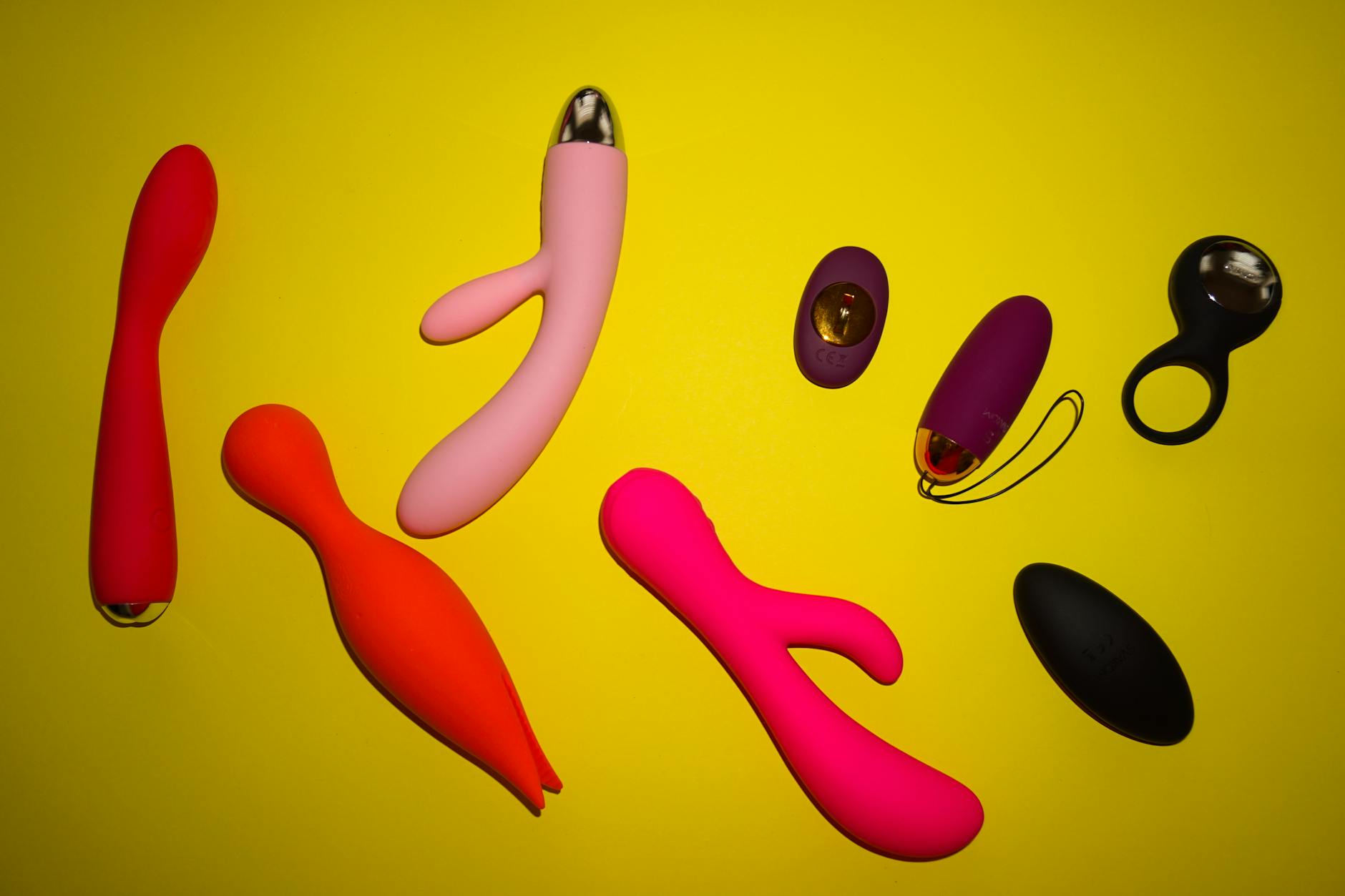
Here's the distinction that changes everything: desire (wanting sex) and arousal (physical response) are not the same. You can have one without the other. You can also bypass the desire piece entirely and go straight to arousal using the right tool. That's where a lemon clitoral vibrator comes in.
Why low libido happens and what it isn't
Low libido hits for dozens of reasons. Stress, depression, medication, relationship distance, burnout, hormonal shifts, or simply being touched out from parenting. Sometimes it's one thing. Often it's three things stacked. The mistake people make is treating it like a personal failure instead of what it actually is: information from your nervous system.
What low libido is NOT: a sign you're broken, a sign your relationship is over, or a sign you should just wait it out. Waiting it out is how people end up five years into low desire with no change, which compounds the emotional distance with a partner and turns a manageable issue into a real problem.
What it IS: your body telling you something is off. Could be physical. Could be relational. Could be both.
How low libido changes physical response
When your brain isn't signaling desire, arousal still exists as a system. It's just dormant. The nerves in your clitoris still fire. The blood vessels still have capacity. But the pathway from "touching" to "feeling something" gets longer.
A traditional vibrator with high-frequency buzz can feel numb or even irritating when arousal is already low. Your nervous system isn't primed, so the sensation just lands as noise. That's why so many people with low desire pick up a vibrator, use it once, feel nothing, and quit.
Here's what's different about a lemon suction-style vibrator. Instead of relying on your arousal level to interpret a vibration, suction creates a physical sensation that registers even in a quiet nervous system. It's not about desire. It's about the body's mechanical response to gentle pressure and release.
What makes suction different for low arousal
Think of it this way. A buzz vibrator says "hello?" to your nervous system. If your nervous system is asleep, it doesn't hear. A suction vibrator says "this is happening" in a language your body understands regardless of how awake you feel.
Suction works through gentle pressure and pulse. Your clitoris has thousands of nerve endings, and many of them respond to pressure long before they respond to vibration. When desire is low, you're essentially working with a dulled nervous system. Suction bypasses some of that dulling because it's a different type of signal.
The Lem and other lemon clitoral vibrators use this principle. They're designed to stimulate through rhythmic suction rather than vibration frequency. For someone with low libido, this means you can feel something building even when you didn't feel "turned on" five minutes ago.
The practical setup that actually works
If you're using a lemon vibrator with low arousal, forget the traditional foreplay expectation. You're not trying to get excited and then use the toy. You're using the toy to create the sensation that wakes arousal up.
Start seated or lying down in a position where you're comfortable for ten to fifteen minutes. No pressure to feel anything specific. Use water-based lubricant even if you're naturally lubricated. Suction vibrators work better with a little extra slip, and it reduces friction that might feel annoying instead of good.
Start on the lowest setting. Pattern one or two on the Lem. Spend two to three minutes there. Your job is simply noticing what you feel, not expecting anything to happen. Many people with low arousal have learned to skip this noticing stage and go straight to performance mode. That's the trap.
If you feel a gentle building sensation, stay with it. Don't chase the orgasm. If you feel nothing after five minutes at the lowest setting, move to pattern three. If still nothing, stop. You didn't fail. Your nervous system just wasn't ready today.
The role of context and nervous system state
This is the part therapists know but vibrator manufacturers don't mention. You can have the right toy and still feel nothing if your nervous system is in fight-or-flight mode.
Low libido often comes with anxiety, resentment, overwhelm, or just brain fog from too much to do. If you're carrying that into the moment, even a lemon vibrator won't help. Your body is too busy managing stress to care about pleasure.
That means the actual magic step is usually something unsexy: setting up a time when you won't be interrupted. Turning your phone off. Having a conversation with your partner about what you need, which isn't always more sex. Sometimes it's less pressure, more help with household stuff, or actual emotional intimacy first.
I'm not saying all this to be a downer. I'm saying it because you deserve to know that the vibrator is the easy part. The harder part is making space for your nervous system to calm down enough to feel. Once you do that, a lemon clitoral vibrator becomes a tool that actually works.
When medication is involved
Many medications that treat depression, anxiety, or blood pressure can flatten libido and arousal. SSRIs are famous for this. So are some blood pressure drugs. If that's your situation, you're not broken. Your brain chemistry shifted.
Talk to your prescriber about the specific impact. Sometimes switching medications helps. Sometimes adding something helps. Sometimes the answer is adjusting expectations while you find the right fit.
What doesn't help is pretending it's not happening and muscling through with guilt. A lemon vibrator can still bring physical pleasure even when desire and arousal are both flattened by medication. Suction tends to work better in these situations because it's less dependent on your baseline arousal.
The conversation with a partner, if there is one
If you're partnered, this matters. Low libido gets tangled with rejection really fast. Partner feels rejected. You feel pressured. Everything becomes transactional. A vibrator introduced at the wrong moment becomes evidence that something's wrong with the relationship instead of a tool that could help.
Honestly though, the vibrator conversation is usually a cover for the bigger conversation. The bigger conversation is "I'm not feeling desire right now and I don't know why." Once that's said, using a tool together becomes exploring instead of fixing.
If your partner is skeptical about clitoral vibrators, or if you're skeptical, read the piece on <a href="/blog/how-to-introduce-lemon-vibrator-to-skeptical-partner">introducing a lemon vibrator to a skeptical partner</a>. Same nervous system rules apply, and the tool becomes a way to reconnect instead of a way to point out what's missing.
The timeline to expect
Don't expect an orgasm the first time. Expect curiosity. Expect noticing. Those are victories when you're working with low arousal.
Some people find that using a lemon vibrator consistently over two to three weeks starts to shift things. The body learns that pleasure is possible even without desire. That learning changes your relationship with your own body. Many people find that once arousal comes back, they didn't actually need the vibrator to have sex. They just needed to remember what pleasure felt like.
Others find they prefer using it during partnered sex because it lets their brain stay in the moment instead of checking out. Either pattern is fine. The point is figuring out what works for your nervous system.
When to get additional support
If low libido has been going on for six months or longer and nothing you do touches it, see a doctor. It could be thyroid stuff, vitamin deficiency, hormonal imbalance, or depression. All of those are treatable.
If low libido is connected to relationship hurt or emotional distance, a therapist who specializes in couples work can help far more than a vibrator. The vibrator is a tool for reconnection, not a substitute for it.
Low arousal is fixable. It takes information, patience, and usually a mix of approaches. A lemon vibrator is one piece of that picture, not the whole solution. But it's a piece that actually works, even when desire is nowhere in sight.
People also ask
Can you have an orgasm with a lemon vibrator if you don't feel aroused?
Yes. Arousal and orgasm are connected but not locked together. A suction vibrator can trigger the physical sensations that lead to orgasm even if your brain doesn't register desire. It takes patience and the right setup, but it's possible.
Does low libido mean your clitoris stops working?
No. Your clitoris doesn't stop working. Your nervous system just stops advertising that it wants input. The nerve endings are still there. The blood flow is still there. It's a brain signal that's gone quiet, not a broken body part.
How long does it take for a clitoral vibrator to work when libido is low?
Varies. Some people feel something the first time. Others need three to five sessions before their nervous system wakes up. If nothing shifts after two weeks of consistent use, it's usually a sign that something else is going on and you'd benefit from a conversation with a doctor or therapist.
Is a lemon vibrator better for low libido than other vibrators?
For low arousal specifically, yes. Suction stimulates through pressure and rhythm rather than vibration frequency, which tends to register even when your nervous system is dampened by stress or medication. But the best vibrator is always the one you'll actually use. If you prefer a different style, start there.
Should I use a lemon vibrator alone or with a partner if my libido is low?
Alone first. Learn what sensations work for you without the pressure of performing for someone else. Once you know what you feel, bringing a partner in is much easier. That said, some people find that partnered exploration actually creates the safety their nervous system needs to wake up. Both are valid.
What if a lemon clitoral vibrator feels numb or nothing at all?
Don't panic. Low arousal sometimes comes with reduced sensation. That's not permanent. Try using it consistently at the lowest setting for one week. Your nervous system may need that priming time. If sensation stays flat, talk to a doctor. It could be medication side effects or something fixable like low iron.
Low libido is real. It's frustrating. And it's not something you fix by ignoring or by expecting yourself to just "feel" like it. You fix it by understanding what your nervous system actually needs, finding tools that work with your body instead of against it, and giving yourself permission to explore at your own pace. A lemon vibrator is that tool. But you're the expert on what works for you. Listen to that.