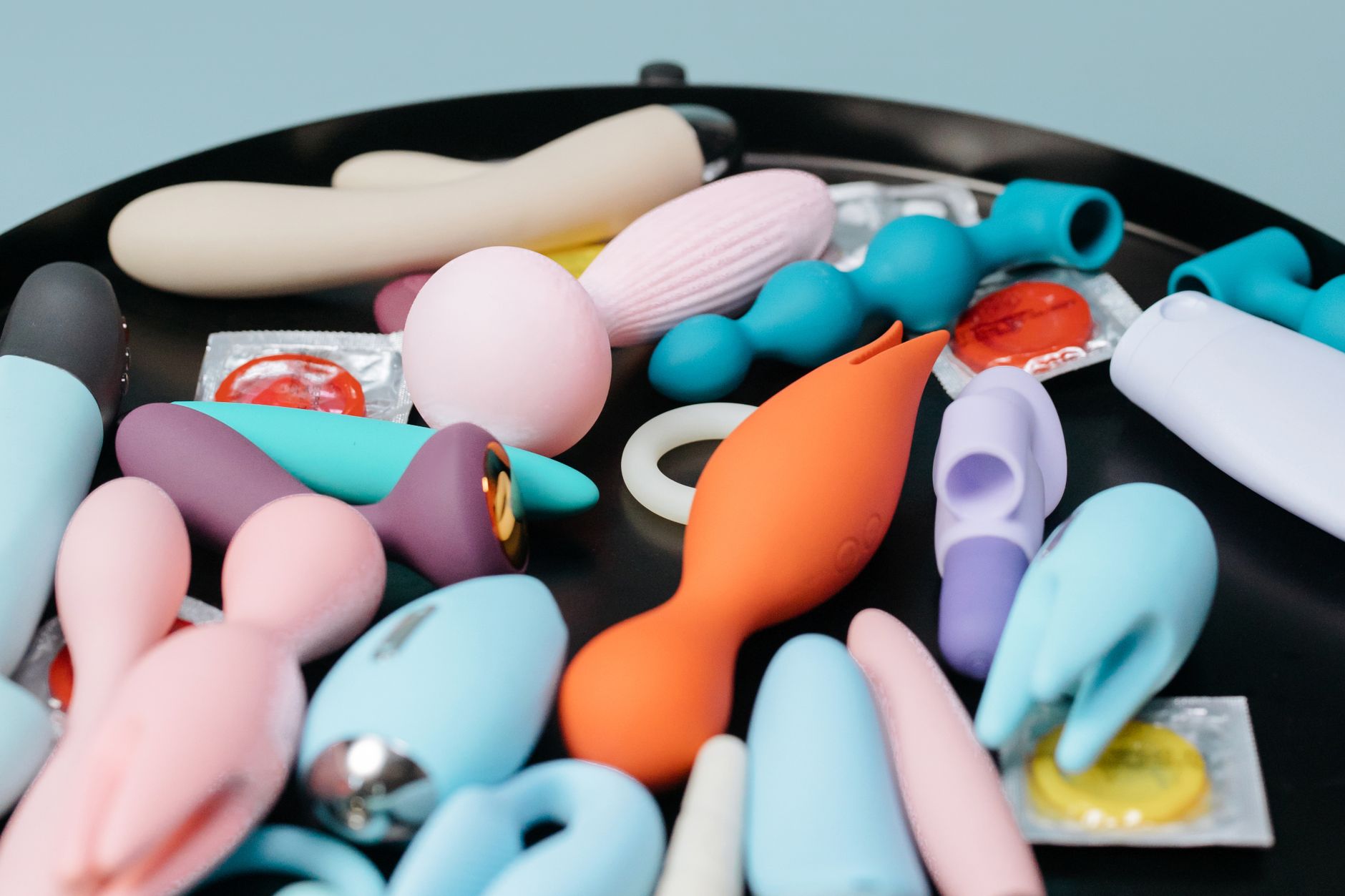
The conversation nobody wants to have but everybody benefits from
Honestly? Most couples don't introduce toys into partnered sex because they're afraid of the conversation. Not because sex with a partner is bad, but because naming it feels risky. Like you're admitting something's missing. You're not. You're admitting you want something more, which is completely different.
Here's the thing. A lemon vibrator isn't a replacement. It's an amplifier. When you understand that distinction, the conversation shifts from "I need this because you're not enough" to "I want this because it'll feel incredible for both of us." The second version is true. It's also the version your partner needs to hear.
Why lemon vibrators change partnered sex specifically
Traditional vibrators are designed for solo use. Clitoral suction toys like the lemon vibrator are different. They're designed to work alongside penetration, not instead of it. That matters because partnered sex already involves stimulation. Adding a lemon clitoral vibrator doesn't interrupt that. It deepens it.
The physiology here is straightforward. During partnered sex, the clitoris gets indirect stimulation through friction and tension, but not direct, consistent stimulation. A lemon vibrator adds that consistent attention to the clitoris while penetration continues. For people with vulvas, that combination often produces stronger, faster, and more consistent orgasms.
For your partner, the sensation changes too. When you're experiencing more intense pleasure, your body responds differently. Muscle tension increases, breathing deepens, arousal compounds. They feel all of that. The feedback loop gets richer.
The three conversations you need to have (before you're in bed)
Conversation One: The Why
Pick a moment that's not sexual. Not post-sex, not pre-sex. Just a regular moment. Say something like: "I've been thinking about ways we could intensify things together. I'm interested in trying a lemon vibrator during sex. The research suggests it could help me climax more easily, and honestly? I think it would feel amazing for both of us."
Notice what that does. It frames it as collaborative. It gives a practical reason. It normalizes it.
Your partner might say yes immediately. They might say "tell me more." They might need time. All of those are fine. The goal isn't instant enthusiasm. It's moving the idea from fantasy into conversation.
Conversation Two: The Logistics
Once they're open to it, talk about specifics. When would feel right? During penetrative sex? During foreplay? What positions work best for you? (More on that in a second.) Do you already have a lemon clitoral vibrator, or do you want to pick one together?
That last part matters more than you'd think. Choosing a toy together removes a layer of shame or weirdness. You're not surprising them with something. You're building it together.
Conversation Three: The Pleasure Check-In
After the first time, have a brief conversation about what felt good and what didn't. This isn't a performance review. It's information gathering. "I loved the pressure, but maybe we try a different position next time" is useful data. So is "I got in my head a bit, can we try again?"
One check-in conversation normalizes the whole thing. It stops being a weird experiment and becomes part of your regular intimacy.
The positions that actually work for partnered sex
Not every position works with a lemon vibrator during penetrative sex. Here are the ones that do.
You on top (cowgirl or reverse cowgirl). This is the easiest entry point. You have full control over angle and depth, which means you can angle the lemon vibrator exactly where you need it. Your partner can see what's happening, which for many couples is part of the appeal. They can also touch you, which maintains connection. Start with slow, shallow thrusts while you find the angle, then build from there.
You on your back with them inside you. They stay inside you while you use the lemon clitoral vibrator. The angle is good, the connection is face-to-face, and there's minimal logistical weirdness. The only catch is that you need to guide them about depth and rhythm, since they can't see exactly what angle works best for the toy. Quick tip: start with them shallow and at a slower pace, then cue them as you build.
Spooning from behind. This one is underrated. They're behind you, inside you, and you have complete access to your clitoris with the lemon vibrator. It's intimate, it's comfortable, and there's less pressure on your pelvic floor than some other positions. The rhythm is naturally slower, which usually works better for lasting longer together.
Positions that don't work as well: anything where you're flat on your stomach (there's no good access to your clitoris), and anything where your partner is controlling all the rhythm and depth (you need some agency to angle the toy properly).
How to use it without breaking momentum
Timing is everything. Here's the sequence that works:
Start with foreplay as usual. Build arousal, get comfortable, get lubricated. Once you're a few minutes into penetration and you're starting to feel the pleasure building, introduce the lemon vibrator. Not before. Not when you're just getting started. When things are already moving.
Start at a lower suction setting (if your toy has settings). The goal isn't intensity yet. It's integration. Let your body adjust to the combined sensation of penetration plus clitoral suction for 30 seconds to a minute. Your nervous system needs a beat to register both sensations as pleasure rather than stimulation overload.
Once that feels good, gradually increase the intensity of the toy as your partner maintains their rhythm. Cue them softly: "stay there a second" or "a little slower" if you need to adjust. Most partners actually love this because they get real-time feedback instead of guessing.
The whole thing should feel like a collaboration, not a performance. If you lose the thread, pause, laugh, reset. The moment isn't ruined. You're just gathering information about what works.
The emotional piece (why this matters more than the physical piece)
Using a lemon vibrator together is technically about sensation, but emotionally it's about something else. It's about saying "I want to explore this with you, not without you." It's about breaking the unspoken rule that partnered sex has a fixed script.
For a lot of couples, that shift is bigger than the physical pleasure. It opens a conversation about other things you might want, other ways you might want to touch, other boundaries that might be worth examining together.
If your partner hesitates or says no, listen to what's underneath that. Are they worried about performance? Worried about comparison? Worried the relationship is in trouble? Those are all separate conversations worth having with patience and honesty. Introducing a toy isn't the real conversation. The real conversation is about desire, about whether you both feel safe exploring, about whether this partnership has room to grow.
The practical stuff: cleanup and care
Once you're done, the lemon vibrator needs care. Rinse it with warm water and a tiny bit of soap (don't submerge it fully unless it's fully waterproof). Pat it dry. Store it in a clean place, ideally in a pouch.
Lube cleanup matters too. If you used a water-based lubricant (which you should with a silicone toy), wipe it down or rinse it. Dried lube gets sticky and attracts dust. Neither is ideal.
This isn't sexy. But it's real, and taking care of the toy means it lasts longer and stays safer to use.
When to get a professional opinion
If you introduce the lemon vibrator and something feels off (pain, numbness, loss of sensation), pause and check in with a healthcare provider. The toy isn't the problem, but it might be revealing something worth understanding.
If the introduction of the toy creates tension in the relationship rather than relieving it, that's also worth discussing with a therapist or couples counselor. The toy isn't the issue. The issue is what the toy surfaced about communication, desire, or safety in the partnership.
FAQ: The questions partners actually ask
Does using a vibrator during sex mean my partner isn't enough?
No. It means you want more sensation, not more of them. Your partner is already there. The toy is just one more layer of pleasure in an experience you're sharing. Most partners report that watching their partner have a stronger orgasm actually increases their own pleasure. It's not subtraction. It's amplification.
Will my partner feel weird holding the toy?
Some do at first. That's normal. It usually passes once they realize they still have agency, still get feedback, and still feel your pleasure response. If it doesn't pass, check in with them. Maybe they hold it sometimes and you hold it other times. Maybe they focus on other kinds of touch while you use it. There's no one right way.
What if I can't orgasm even with the lemon vibrator?
That happens. And it doesn't mean anything's wrong. Orgasm during partnered sex is complicated. It involves arousal, comfort, relaxation, and sometimes a bit of luck with timing. If you're struggling to climax with a lemon vibrator, read about clitoral numbness and reduced sensitivity to understand what might be at play. You might also benefit from solo exploration first to understand what your body needs before adding a partner into the mix.
Can we use a lemon vibrator if one of us has a pelvic floor issue?
Maybe. It depends on the issue. If there's pain, tension, or diagnosed vaginismus, a lemon vibrator might feel better than traditional penetration because it allows more control. But check with your healthcare provider first. Here's more detail on using one with pelvic tension.
What if my partner wants to use the toy on me but I feel self-conscious?
That's incredibly common. You're being seen, and that's vulnerable. Start with the lights dimmer. Start with you on top so you have some control. Start with a conversation where you name the vulnerability out loud. "I want this but I feel a bit self-conscious at first" is honest and it actually deepens intimacy. Most partners respond by being gentler and more attentive, not less.
Do we need lube with a lemon vibrator during partnered sex?
Probably yes. Partnered sex already generates some natural lubrication, but adding a clitoral suction toy works better with a little extra. Water-based lube is safest with silicone toys. Use enough that it feels slippery but not so much that the seal breaks (that's when suction stops working). A small amount goes a long way.
The real reason people use lemon vibrators together
It's not because something's broken. It's because something's working and they want it to work even better. That's the distinction. You're not fixing a problem. You're amplifying something that already feels good. And that shift in perspective changes everything about how the conversation goes, how the experience feels, and what it means for your partnership moving forward.
Your pleasure matters. So does theirs. A lemon clitoral vibrator is just one tool that lets you both experience more of both. That's it. That's the whole story.