Here's what nobody tells you about antidepressant tolerance
Your medication still works. Your mood is stable, your anxiety hasn't spiked, you're sleeping better than you did in years. But pleasure has gone flat. You can orgasm, technically, but it feels like watching someone else experience it from behind glass. This is real, it's common, and it's not a sign that your antidepressant is "failing" in any way that matters to your psychiatrist. But it matters to you.
Antidepressant-induced sexual dysfunction is documented and affects a significant portion of people on SSRIs and SNRIs long-term. What's less discussed is what happens when that numbness persists even after dose adjustments or medication switches. Sometimes the nervous system gets so used to the chemical landscape that sensation doesn't bounce back on its own.
Why antidepressants muffle sensation (and why it doesn't always reverse)
SSRI antidepressants work by increasing serotonin availability in the brain. Serotonin is involved in mood regulation, but it also dampens sexual arousal in the peripheral nervous system. When you start, the effect is temporary for many people. Your body adapts. Some recover full sensation. Others hit a plateau where pleasure remains dulled even after their nervous system has "adjusted" to the medication itself.
This is called accommodation, and it's frustrating because it's not a dosing problem. Your psychiatrist isn't going to fix this with a reduction or a switch. You're stable because the medication works. But the collateral damage is still there.
The answer isn't usually to abandon your mental health medication. The answer is to deliberately reboot sensation through external stimulation that your brain can't ignore.
How clitoral vibrators interrupt the numbness loop
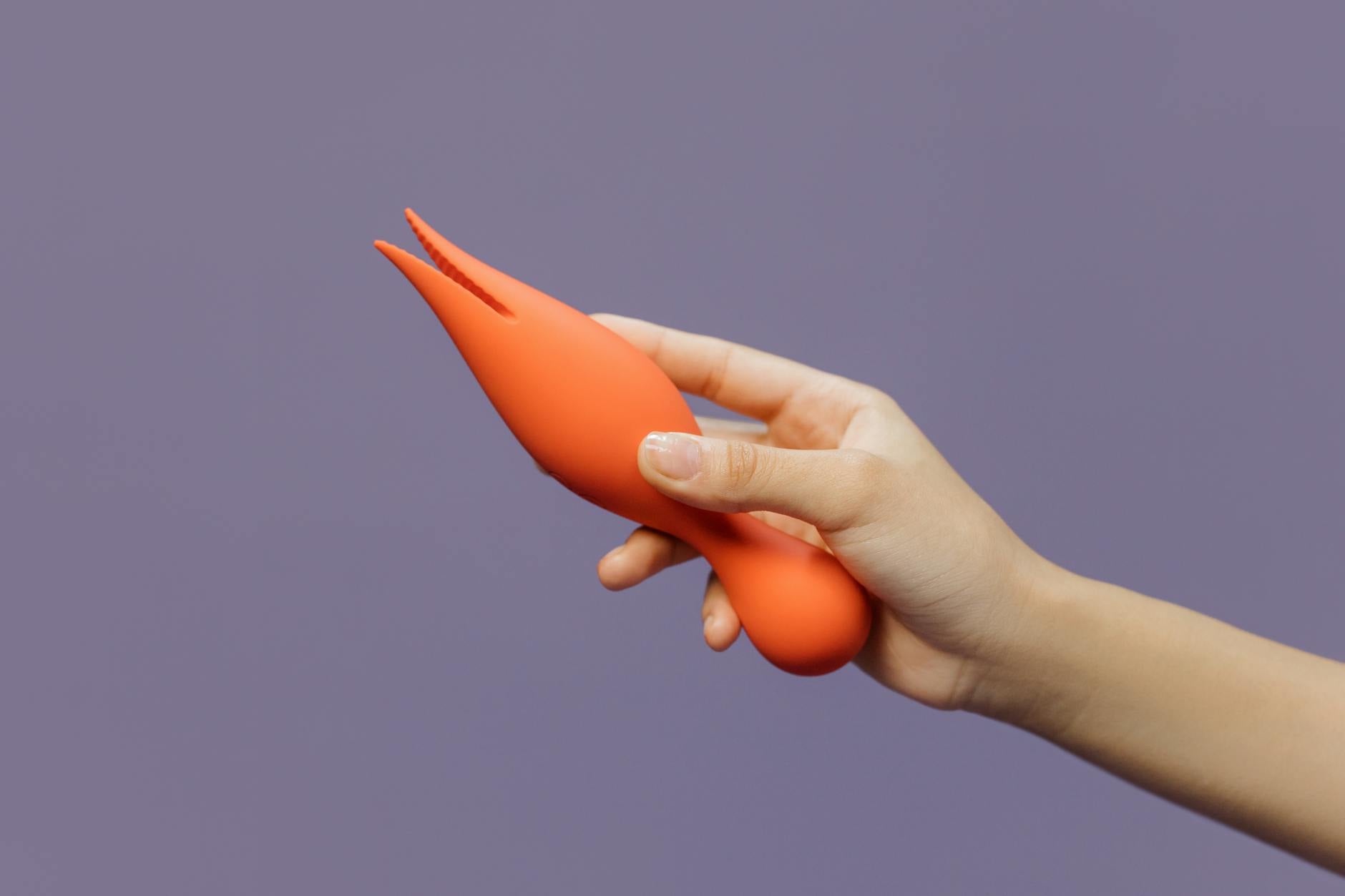
A lemon clitoral vibrator works differently than other stimulation because it doesn't rely on sustained pressure or friction. The suction-and-release pattern of a device like the Lem is neurologically harder for your nervous system to habituate to. Your brain can tune out repetitive sensations. It's harder to tune out a pattern that's constantly changing.
The reason this matters for antidepressant-numbed sensation is simple: your nervous system isn't broken. It's just in deep accommodation mode. A vibration pattern that varies (or a suction rhythm that engages multiple nerve endings at once) creates new neural pathways that your medication hasn't had time to muffle yet.
In my clinical experience working with couples navigating this exact scenario, the vibrator becomes a scaffold. It provides the intensity that your current nervous system state requires to register pleasure at all. Without it, you're asking your dampened system to produce sensation from modest stimulation. With it, you're meeting your nervous system where it actually is.
Starting over: the rebuild protocol
When sensation has been muffled for months or years, reintroduction needs to be methodical. Here's the framework I recommend.
Phase one: sensation mapping (weeks 1-2)
Don't use the lemon vibrator yet. Spend time understanding what your body can still feel. This sounds silly but it's necessary. Lie down without any goal except noticing. Touch your thighs, your inner arms, your breasts. Notice the difference between areas that feel "numb" and areas where sensation registers differently.
Document this. Not in a clinical way. Just a mental note of "my inner thighs feel almost normal, my clitoris feels distant." This matters because when you introduce the vibrator, you'll start where sensation is already closest to baseline, not where the numbness is deepest.
Phase two: external pacing (weeks 3-4)
When you first use your lemon vibrator, set it to the lowest intensity. Seriously. Even if it feels underwhelming. You're not trying to orgasm. You're trying to establish that your body can still register novelty. Use it for 5-8 minutes, once daily. No pressure to feel anything beyond "I can detect that this is happening to my body."
Many people skip this phase because the intensity seems too low. Resist that urge. If you jump to high intensity on a numb nervous system, your brain files it as "aggressive pressure" rather than "arousing sensation."
Phase three: pairing with your own touch (weeks 5-6)
Now start combining the lemon vibrator with manual stimulation of other areas. Use it on your clitoris at low intensity while touching your breasts or inner thighs with your hands. The combination teaches your nervous system that pleasure is coming from multiple channels at once, which makes it harder to habituate.
Stay at this phase for at least two weeks. You might not orgasm. That's fine. The goal is re-establishing sensation differentiation.
Phase four: intensity progression (week 7 onward)
Once you can feel distinct sensation from your lemon vibrator, you can begin increasing intensity. Move from pattern 1 to pattern 2, spending 3-5 days at each level. Some people find that sensation crashes when they jump levels too fast. Slow progression is slower, but it sticks.
The partner conversation if you share a bed
If you're in a relationship, your partner might feel confused or hurt by the numbness, interpreting it as a loss of attraction rather than what it actually is: a medication side effect. This is a critical conversation to have before you start reintroducing sensation work.
Frame it like this: "My nervous system has gotten used to the medication in a way that's affected sensation. I'm not less attracted to you. I need to spend a few weeks helping my body re-learn what it feels like to be touched. This helps me, and then it helps us." If your partner understands that the lemon vibrator is a tool for your own nervous system restoration, not a replacement for them, the work becomes collaborative rather than isolating.
Some partners find it helpful to be present during this reintroduction phase, especially once you move to phase three and beyond. Others need space. Figure out what works for your relationship, but do have the conversation openly.
When to talk to your doctor
Antidepressant-induced numbness is worth discussing with your prescriber, not because it means you need to stop your medication, but because there are sometimes legitimate alternatives. Some people tolerate different SSRIs differently. Some find that adding a low-dose agent like bupropion counteracts the numbness.
But here's the reality: if you've been on the same medication for years and it's been adjusted multiple times, the numbness is probably here to stay unless you're willing to switch medications entirely. And sometimes the stability is worth more than the sensation. In those cases, your lemon vibrator becomes part of your long-term pleasure maintenance, not a temporary solution.
Your medication saved your mind. Your vibrator restores your body's ability to feel joy. They're not in competition. They're partners.
Troubleshooting the numbness that won't budge
If you've been through all four phases and sensation still feels muffled, two things might be happening.
First, check timing. Some antidepressants have peak sexual side effects at certain times of day. Try your lemon vibrator at different times and notice if sensation changes. Some people find that their lowest-numbness window is in the morning or right before their dose, if they take it at night.
Second, consider cortisol. Chronic stress can compound medication-induced numbness because a stressed nervous system is already in a dampened state. If you're using the vibrator during a high-stress period, you might get better results once that window passes. Not fair, but true.
If numbness remains truly impenetrable after weeks of consistent work, that's a conversation to revisit with your prescriber. Sometimes a medication change is genuinely the right move, even if it feels risky. A therapist specializing in psychopharmacology can help you think through the tradeoffs.
Building pleasure back as maintenance
One last thing that surprised many of my clients: once sensation comes back, it doesn't automatically stay without reinforcement. Your nervous system learned to numb as a side effect. It can re-learn to numb if you stop engaging it regularly.
This doesn't mean you have to use your lemon vibrator every single day forever. It means that incorporating it into your routine, maybe 2-3 times per week, keeps your nervous system activated and prevents re-accommodation. Think of it like physical therapy for pleasure. You don't need it constantly, but you need it enough that the pathway stays open.
If you've been living with antidepressant-numbed sensation for a long time, the recovery process is slower than it feels like it should be. Your nervous system is patient. So are you.
People also ask
Can you orgasm on antidepressants if you use a clitoral vibrator?
Yes. A lemon vibrator and other clitoral vibrators create stimulation patterns that can bypass some of the dampening effect of SSRIs. The key is that the vibration is intense and novel enough that your nervous system can't habituate to it the way it habituates to manual touch. Not everyone regains full sensation, but most people find that orgasm becomes achievable again with this kind of external tool.
How long does it take for numbness to go away with a vibrator?
It depends on how long you've been numb and how deep the accommodation is. In my experience, people notice measurable sensation improvement within 3-4 weeks of consistent use. Full restoration (orgasms that feel like they used to) can take 2-3 months. If nothing has shifted after two months of daily use, that's a sign to revisit your medication plan with your doctor.
Should I tell my doctor I'm using a vibrator to help with antidepressant side effects?
You don't have to, but you can. Some psychiatrists are matter-of-fact about it. Others aren't as comfortable. If your doctor is sex-positive and you have good rapport, mentioning it can help them understand your experience better. If you're unsure how they'd respond, you can mention numbness without specifying your approach: "I'm working on sensation recovery techniques." That's honest and gives them the information they need.
Can switching antidepressants bring back sensation faster than using a vibrator?
Not necessarily. Some people do switch to a different medication and recover sensation quickly. Others switch and still experience numbness because the accommodation happened neurologically, not just chemically. A lemon clitoral vibrator works regardless of which antidepressant you're on, so it's often a faster route than medication changes, which require adjustment periods and new side effects you're testing.
What's the difference between a lemon vibrator and other clitoral vibrators for antidepressant numbness?
The suction pattern. Lemon-style vibrators use a rhythmic suction-and-release motion, which engages different nerve endings than continuous vibration alone. That varied pattern is harder for your nervous system to accommodate to. Other clitoral vibrators work too, but the lemon clitoral vibrator design is particularly good for reintroduction work because of how the stimulation changes moment to moment.
Is it normal for sensation to feel worse before it gets better?
Yes, actually. When you start introducing intentional stimulation to a numb area, your nervous system might initially register it as uncomfortable pressure rather than pleasure. This usually resolves within a week or two. If the discomfort persists or feels sharp, back off intensity and move more slowly. Your body will tell you when it's ready to progress.
Moving forward
Your antidepressant is doing its job. Your body isn't broken. And a lemon vibrator isn't a luxury. It's a practical tool for recalibrating your nervous system after it's adapted to long-term medication. Some people need this support for a few months. Others keep it as part of their permanent pleasure toolkit. Both are exactly right.
If you're ready to explore this, start with the lowest intensity and give yourself permission to move slowly. Your nervous system has been patient. You can be too.
Ready to start your sensation recovery? Get in touch with us to talk through your specific situation, or explore how a lemon clitoral vibrator might work for you at Hello Nancy Com.