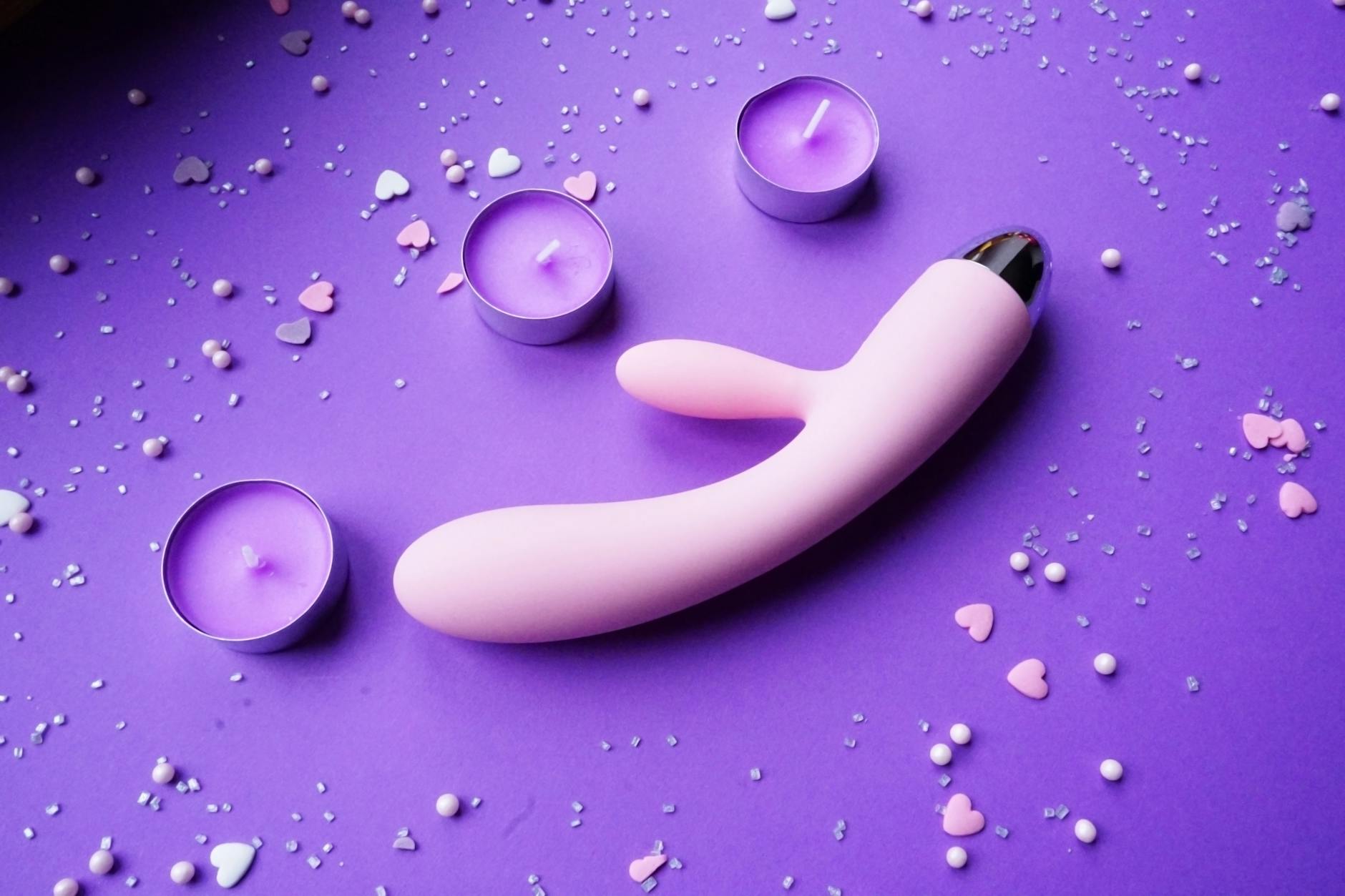
How to use a lemon clitoral vibrator safely when you have latex allergies
If you have a latex allergy, you've probably heard the speech. Avoid balloons. Watch out at the dentist. Be careful with certain gloves. But nobody tells you what happens when you want to buy a sex toy and you're worried about what it's made of. That gap in information costs people real pleasure, and it shouldn't.
The good news is simple. Lemon vibrators and most modern clitoral vibrators from Hello Nancy are made from medical-grade silicone or ABS plastic, which are completely latex-free. But knowing what's actually in your toy and how to use it safely requires some understanding of materials, cross-reactivity, and what "hypoallergenic" actually means.
What latex allergies really mean for sex toys
Latex allergy happens in two ways. Type IV hypersensitivity occurs from contact with the rubber itself or chemical residue left behind during manufacturing. Type I (the rarer, more serious kind) is a true IgE-mediated reaction that can cause itching, swelling, or in severe cases, anaphylaxis. Most people with latex allergies experience Type IV: redness, itching, or mild swelling at the contact site.
Here's what matters for toys. If you have a documented latex allergy, you need to avoid latex completely. Even "latex-free" toys can sometimes carry trace contaminants if they were manufactured in shared facilities. Cross-contamination is real. That's why I always recommend buying from brands that explicitly state their manufacturing practices and material sourcing.
All Hello Nancy vibrators, including the lemon sucker design and our clitoral vibrator line, are manufactured in facilities that do not process latex. They're made from medical-grade silicone (the Lem), ABS plastic (some of our other models), or stainless steel components. This means you're not just buying a product labeled "latex-free". You're buying something made in an environment where latex was never part of the process.
The materials inside your lemon vibrator
When you hold a lemon clitoral vibrator, you're holding silicone on the outside and a small motor with electronics inside. Let me break down what each part is and why it matters for allergies.
Silicone body. Medical-grade silicone is chemically inert. It doesn't contain latex. It doesn't leach phthalates (which can cause allergic-type reactions in people with sensitive skin). Silicone is non-porous, meaning bacteria can't hide inside it, and it's incredibly easy to clean. If you have a latex allergy, silicone is genuinely your safest bet.
Motor and electronics. The vibration mechanism is powered by a small electric motor connected to a rechargeable battery. None of these components contain latex. The battery is isolated from the silicone body by a protective layer, so you'll never touch it directly.
Seals and gaskets. This is where cross-reactivity occasionally happens. Some cheaper vibrators use natural rubber gaskets around the battery compartment. Hello Nancy vibrators use silicone gaskets exclusively, so there's no hidden latex anywhere.
USB charging cable. The cable itself is plastic coated, not rubber. You're safe here too.
The important distinction is this. "Latex-free" written on a box doesn't guarantee safety if you don't know where the toy was made. A toy manufactured in a facility that also processes latex can pick up particles. Hello Nancy's lemon vibrators are manufactured in dedicated facilities with documented supply chains. You can actually verify what you're buying.
Why silicone is the ideal material for allergic skin
Silicone doesn't just avoid triggering allergies. It actively reduces irritation for people with sensitive skin.
Silicone is hypoallergenic because it doesn't break down when it touches human skin. It doesn't off-gas chemicals. It doesn't absorb bacteria or viruses. If you've ever had a reaction to a toy made from PVC, rubber, or lower-grade plastics, silicone feels like a completely different experience. Your skin might be irritated from friction or from too much stimulation, but not from the material itself.
For people with Type IV latex sensitivity (the contact dermatitis kind), switching to silicone often means the redness and itching disappears entirely. You can use your lemon vibrator for longer sessions without worry.
Before you use your toy: the first-use ritual
Even with a latex-free toy, your first use matters.
Wash it before anything else. Take your lemon clitoral vibrator out of the box and wash it with warm water and a fragrance-free soap. You're not trying to sterilize it. You're removing any dust, packaging residue, or manufacturing oils that might irritate sensitive skin.
Do a patch test if you're highly sensitive. Apply the vibrator to a small area of your inner arm for 30 seconds. Wait 10 minutes. If you see redness, itching, or any reaction, don't use it on your genitals. (This is rare with medical-grade silicone, but hypervigilance here prevents problems later.)
Start with a small amount of lubricant. Water-based lube is always safest for latex-allergic people. Silicone lube can sometimes cause reactions in people with severe allergies, and oil-based lubes can degrade silicone over time. A water-based lube creates a protective barrier between your skin and the toy, reducing friction and irritation.
Keep sessions under 15 minutes your first time. Longer sessions increase heat, which can amplify minor irritation. Once you've confirmed your skin is happy, you can extend as much as you want.
How to maintain your lemon vibrator for safe, long-term use
Proper care prevents buildup that could trigger delayed allergic reactions.
After each use, rinse your toy with warm water. Use a fragrance-free soap if it needs deeper cleaning. Dry it completely with a soft cloth. Store it in a clean, dry place, ideally in a dedicated case or pouch. Don't leave it in a bathroom where humidity can accumulate. Don't store it touching latex products, other toys made from unknown materials, or plastic bags that might leach chemicals.
Every few weeks, do a deeper clean. Submerge your lemon sucker in warm water with a tiny drop of fragrance-free soap. Let it soak for a minute, then scrub gently with a soft toothbrush (especially around the seams). Rinse thoroughly and dry completely. If you're really cautious, you can wipe it down with a 70% alcohol solution and let it air dry. This won't damage silicone and will catch any bacteria or debris.
Recharge your toy in a cool, dry place. Don't let it sit on metal surfaces or near heat sources. The battery inside is safe, but extreme heat can shorten its lifespan.
What to do if you start to feel a reaction
If you notice itching, redness, or swelling during or after use, stop immediately.
Rinse the area with cool water. Don't use soap right away, as it can dry out irritated skin. Pat dry gently. Apply a fragrance-free moisturizer or a thin layer of hydrocortisone cream if irritation is visible.
Nine times out of ten, this happens because of friction or minor irritation from stimulation, not from the toy itself. But if symptoms continue for more than a few hours, you might have a delayed reaction to something. Wash your toy, let it dry completely, and switch to a different material temporarily if you have one.
If you develop symptoms consistent with Type I allergy (facial swelling, difficulty breathing, severe itching), this is a medical emergency. Get help immediately, and after you're safe, reach out to your doctor about allergy testing.
The difference between latex allergy and contact dermatitis
Here's something almost nobody explains. You might not actually have a latex allergy. You might have contact dermatitis, which looks identical but is caused by chemical irritants in cheaper toys.
True latex allergy is caused by proteins in natural rubber. Contact dermatitis happens from phthalates, heavy metals, or residual manufacturing chemicals in lower-grade plastics and rubbers. Both cause redness and itching. Both are solved by switching to medical-grade silicone.
The difference matters only if you're trying to understand your own body. If you've never had an allergy test and you just know that certain toys make your skin angry, medical-grade silicone from a brand like Hello Nancy is your safest bet. You'll probably find that the problem disappears entirely.
Lemon vibrators and other body-safe toys for allergic skin
If you're starting fresh and you have a latex allergy, here's what I recommend.
The Lem lemon clitoral vibrator is medical-grade silicone, rechargeable, and designed for external use. It's excellent for direct clitoral stimulation and totally safe for sensitive skin. The suction mechanism is gentle on delicate tissue, and because silicone conducts temperature beautifully, you get a grounding, warm sensation that many people find more comfortable than vibration alone.
If you want variety, silicone toys from Hello Nancy across the board (our Berri vibrator, our wand vibes, our other designs) all use the same medical-grade material and manufacturing standards. You can experiment without worrying that each new toy introduces a new risk.
Stay away from jelly rubber, PVC, elastomer, or anything labeled simply "rubber". These materials are cheap, porous, and frequently contain latex or latex-like proteins. Even if the label says "latex-free", the manufacturing process might have exposed it to latex. The price difference between these materials and silicone is often just $10 to $20, and it's worth paying to protect your health.
FAQ: latex allergies and lemon vibrators
Can I use silicone-based lubricant with my lemon vibrator if I have a latex allergy? Water-based lube is always the safest choice. Silicone-based lubes can occasionally trigger mild reactions in people with severe Type I allergies because of how they're manufactured, but this is rare. If you want to experiment, do a patch test on your arm first. Oil-based lubes will degrade silicone over time, so avoid those entirely.
Is hypoallergenic the same as latex-free? No. Hypoallergenic means "less likely to cause allergies", but it's not regulated. A toy can be labeled hypoallergenic and still contain latex or latex-derived proteins. Latex-free is more specific, but even that's not guaranteed unless the manufacturer confirms the entire supply chain. Medical-grade silicone from a dedicated facility is the most reliable option.
I've never been formally diagnosed with a latex allergy, but toys always make me react. Should I still buy silicone? Yes. If every toy you've tried has irritated your skin, you're either having a true latex reaction or contact dermatitis from manufacturing chemicals. Either way, medical-grade silicone will solve the problem. You don't need a diagnosis to know what your skin tolerates.
Can I bring my lemon vibrator to my doctor if I want to ask about materials? Absolutely. Any good healthcare provider wants to help you stay safe and comfortable. Bring your toy in its original packaging with the material information. If your doctor is dismissive, that's a them problem. Your sexual health is healthcare.
Are there any additives in Hello Nancy silicone that might cause problems? No. Medical-grade silicone doesn't contain fillers, softeners, or dyes. What you feel is pure silicone. The only additives are the internal electronics, which you never touch.
If I have a severe latex allergy, can I use a lemon sucker even though it's designed for skin contact? Yes. The Lem is silicone throughout. There's no latex anywhere in the design, manufacturing, or packaging. The only precaution is the standard one. Wash it before your first use, do a patch test if you're hypervigilant, and use water-based lubricant.
Moving forward with confidence
Latex allergies are real and worth taking seriously. But they don't have to cost you pleasure. Medical-grade silicone vibrators from Hello Nancy give you a safe, effective way to explore what feels good without the anxiety of wondering what's going to irritate your skin.
Your body deserves toys made from materials that respect it. That starts with knowing exactly what you're buying and why it's safe. If you have questions about our materials, our manufacturing, or our sourcing, reach out to our team at /contact. We're happy to walk you through every detail.
Your pleasure matters. And you deserve tools made from materials that don't put your health at risk.