Let's talk about what breakups actually do to desire
Losing a relationship isn't just losing a person. It's losing a mirror. You lose the body next to yours, the attention, the sense that your sexuality was desired by someone else. That absence gets confusing fast. Some people feel nothing at all. Others feel a shaky impulse toward pleasure mixed with guilt, like wanting sex is a betrayal of the hurt they're supposed to be sitting with.
Here's what I see in my practice: pleasure after a breakup isn't selfish or a sign you're "not grieving properly." It's actually one of the most honest ways to reclaim your body as yours again.
Why solo intimacy is different after heartbreak
When you're coupled, your sexuality lives partly in response to another person. There's negotiation, timing, consideration. That's not bad. But it means your pleasure becomes entangled with their needs, their schedule, their body. When that person leaves, you lose not just them but also the framework you'd built around desire.
Solo play after a breakup feels different because it is different. You're not touching yourself to get ready for someone else or to manage a mismatch in energy or desire. There's no audience. No performance. Just you and what actually turns you on when no one's watching.
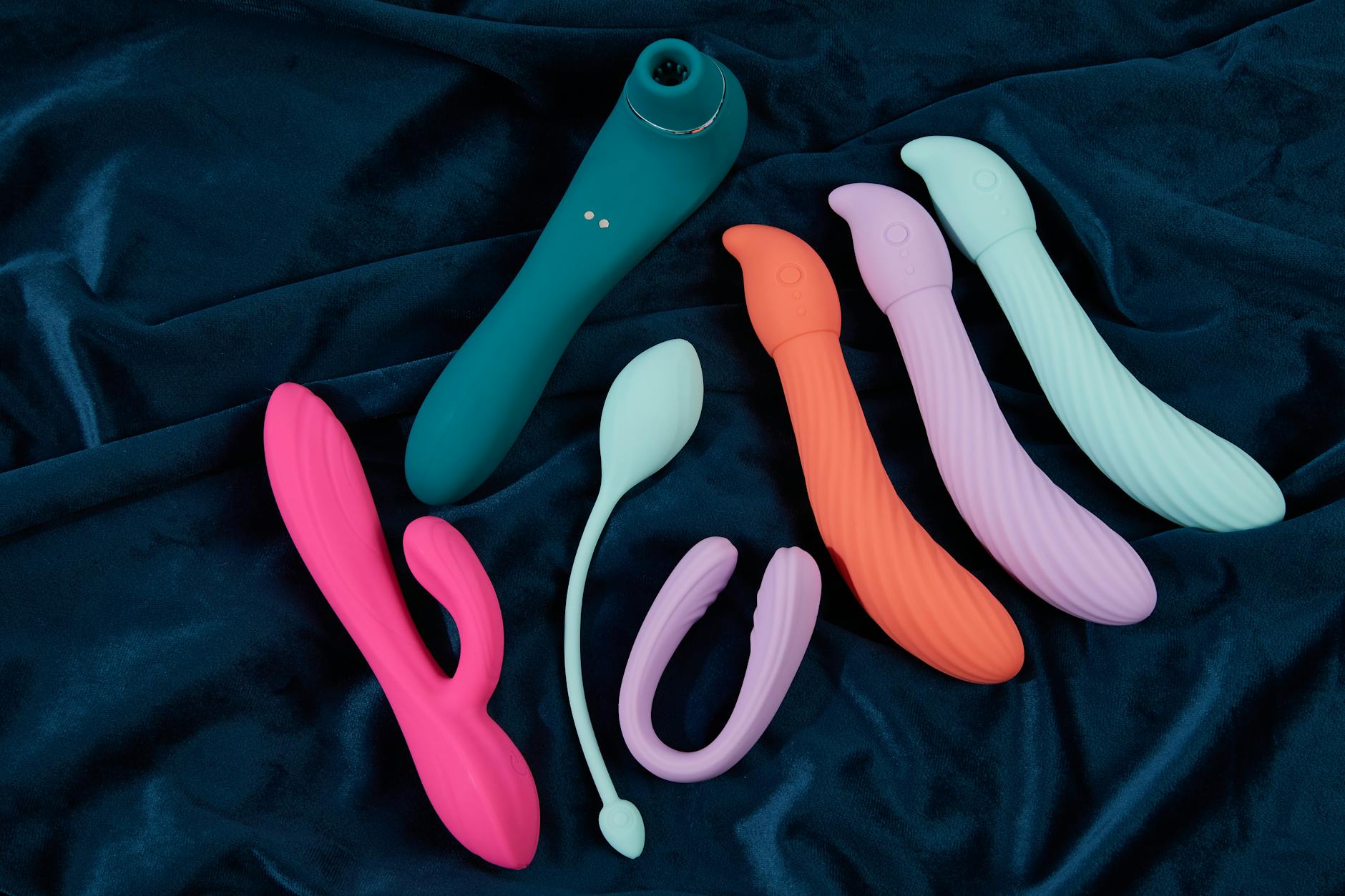
This recalibration takes time. And honestly? Tools help. A lemon clitoral vibrator like the Lem works because it removes one variable from the equation. You don't have to worry whether you're doing it "right" for someone else. The sensation is consistent, the intensity is yours to control, and the whole experience becomes about discovering what feels good to you specifically.
The shame piece nobody talks about
Some of my clients describe touching themselves after a breakup as feeling like a betrayal of the relationship that just ended. As if pleasure means they're "over it" too fast, or that they never really loved their partner, or that solo play somehow negates the intimacy they shared.
This is worth untangling. Pleasure and grief exist in the same body. You can mourn a relationship and also want an orgasm. You can miss someone and also discover that your body responds differently now. These aren't contradictions. They're just the complicated truth of being human.
If shame is showing up when you touch yourself, you might notice it arrives with a story. "I shouldn't want this." "Good people don't do this right now." "My ex is out there and I'm here getting off." None of those stories are actually true. Pleasure is a resource you own. Using it to reconnect with yourself is not a referendum on the relationship you lost.
How to actually use a lemon vibrator when you're rebuilding
Start by getting curious, not goal-oriented. One of the first things that shifts after a breakup is the pressure to perform for yourself. You might feel like you need to have an orgasm to prove you're healing, or to show that your body still works. That pressure kills arousal faster than anything else.
Instead, set a lower bar. The goal is sensation and information, not a finish line. Turn off your phone. Give yourself 15-20 minutes with zero expectations about what should happen. A lemon vibrator is gentle enough that you can spend time exploring different patterns and intensities without the stimulation becoming overwhelming.
Layer it with breathing and touch. After a relationship ends, your body can feel like a stranger. The Lem works well paired with slower breathing and hand touch on other parts of your body. Run your hand across your chest, your thighs, your stomach. Notice what feels alive. The vibrator isn't the whole experience. It's one element of reconnecting with physical sensation.
Use it to notice what's actually turning you on now. People often realize after a breakup that some of their sexual preferences were compromises. Maybe you stopped watching certain content because your ex wasn't into it. Maybe you preferred slower, more intimate sex and kept adjusting to accommodate faster rhythm. Solo time with a clitoral vibrator is the place to pay attention to what your body responds to when there's no one else's preference in the room.
Expect the emotions to show up. You might get aroused and then suddenly feel sad, or angry, or lonely. That's completely normal. You're touching yourself in a body that used to be touched by someone you loved. Feelings will arrive. You don't have to perform through them. You can pause, sit with them, cry if you need to, and come back to the vibrator later. This isn't a failure. It's integration.
When pleasure becomes part of the healing
At some point, usually a few weeks or months in, something shifts. The sadness doesn't disappear, but solo pleasure starts feeling like self-care rather than a substitute or a betrayal. You're touching yourself not because you're trying to get over someone but because it feels genuinely good. The orgasm is just a bonus. The real win is that your body starts feeling like it belongs to you again.
This is where many of my clients say the lemon vibrator becomes a tool they actually look forward to using. It's not about replacing partner sex. It's about having a reliable way to access pleasure on your own terms, to remember that your body is capable of feeling good independent of another person's attention.
Reintegrating pleasure if you get into something new
One thing I want to flag: building a solid solo practice now actually makes partnered sex better down the road. You'll know what turns you on. You won't be relying on a partner to guess. You won't have lost track of your own desire while you were busy managing theirs. When you meet someone new, you can bring that knowledge with you.
Solo play doesn't replace partnership. But it's not a placeholder for it either. It's its own valuable practice. Having used a lemon clitoral vibrator to understand your body's response patterns, you'll be able to advocate for yourself in future relationships with much more clarity.
The practical stuff that matters
If you're starting solo play after a breakup, water-based lubricant is essential. Isolation and stress can reduce natural lubrication, and that's completely fine. Add slick between you and the vibrator. You deserve comfort, not friction.
Start on the lowest setting and work your way up. Your nervous system might be extra sensitive right now. A gentle approach lets you stay present instead of jumping to high intensity and losing connection with the sensation.
Keep the vibrator charged and in a place where you can access it without shame. Some people put it in a bedside drawer. Others keep it in a small bag. The point is that it's available and normalized. You're not hiding from yourself.
When to reach out for support
If pleasure has completely disappeared and weeks have passed, that's worth noticing. It might be depression, which is real and treatable. It might be that you need more time. It might be that you need to talk to someone. Any of those are legitimate.
If you're using solo play to avoid feeling the grief, that's also information. Pleasure can be a comfort, but it can also be avoidance. Both are human. If you notice yourself reaching for the vibrator every time sadness comes up, that might be a moment to check in with a therapist or a trusted friend.
Breakups disrupt your sense of self. Rebuilding that sense, including your sexuality, is a real process. A lemon vibrator is a tool that can help. But you're doing the actual work of reclaiming your body and your pleasure. That takes courage, and it's worth it.