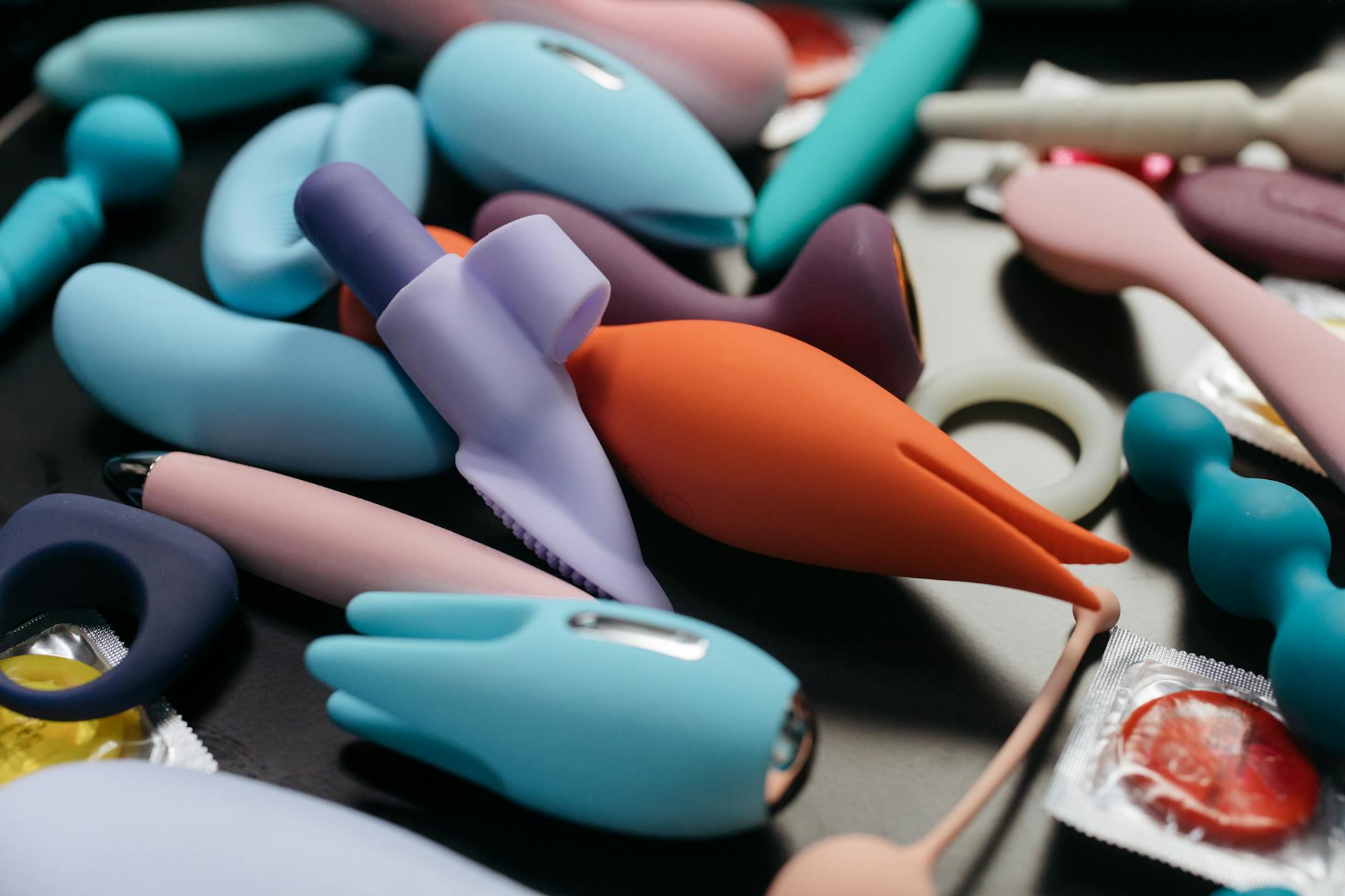
Let's start with the actual problem
Your partner thinks a lemon vibrator means you're not attracted to them anymore. Or that you're unhappy. Or that they're not enough. None of that is true, but the fear is so loud that the rational part of their brain can't hear anything else. I see this play out constantly in my practice, and the block isn't really about toys at all. It's about vulnerability.
Introducing a lemon clitoral vibrator to a skeptical partner isn't a sexy conversation. It's a practical one, and it requires honesty that most couples aren't trained to do. Let me walk you through it.
Why partners resist (and why it's not actually about the toy)
Men and people socialized as men often absorb a specific narrative in their twenties and thirties: good sex means their partner comes from penetration or manual stimulation. Anything else feels like failure. So when they hear "I want a vibrator," they translate it as "You're not doing your job." That's the real fear underneath.
Women and people socialized as women, meanwhile, sometimes resist because they've been taught that wanting external tools for pleasure is greedy or unfeminine. Or they worry it'll make them seem high-maintenance. Both of these are conditioning, not truth.
The best part? Once you separate the toy from the ego, introducing a lemon vibrator often becomes the thing that actually deepens the intimacy. It forces you to talk about pleasure directly, which most couples have never done.
The conversation framework that actually works
Don't bring it up during sex, right after sex, or when you're already arguing about something else. Pick a quiet moment when you're both calm and have time. This matters more than you'd think.
Start with this: "I've been thinking about what feels good for me, and I want to talk about it with you because your opinion matters." Notice the frame. You're not complaining. You're not asking permission. You're inviting collaboration.
Then be specific about what you want and why. Here's the actual sentence I recommend:
"I want to try a clitoral vibrator during sex with you. Not instead of you. With you. The reason is that I come faster with suction stimulation, and I think it'd actually make sex more fun for both of us because we could spend more time together and I'd feel less pressure to come on a timeline."
That's true. That's actionable. That's not about him.
Pick the right toy to show them
This is tactical but important. If you lead with "I found this amazing lemon vibrator," their brain goes straight to comparison. But if you talk about the tool first and then show them the actual device, the physical object often neutralizes the anxiety.
A lemon vibrator, specifically, is actually easier to introduce than a traditional wand or rabbit. It's smaller, it looks less intimidating, and the suction mechanism is genuinely different from what he might be imagining. You can literally say: "It doesn't buzz like you think. It pulls, gently. It's actually completely different." Then let them hold it, off, so they can see it's not some giant replacement.
Reframe what you're actually asking for
Don't say "I need this to come." Say "I want this because it makes me feel good and I think sex will be better for both of us." The second one is true and it doesn't activate the fear.
Also be prepared to say this if they ask: "I'm not asking you to do something different. I'm asking you to do what you're already doing, and for me to add this." That's the actual truth. You're not replacing him. You're enhancing the experience.
What to do if they say no initially
Don't argue. Don't lecture. Don't defend your choices. Instead, say: "I hear you. I'm not trying to pressure you. This matters to me, though, so I'd like us to figure it out together." Then give it space.
Sometimes resistance softens once someone realizes it's not a threat. Sometimes it doesn't, and you have to decide what that means for you. But most of the time, the conversation itself is the breakthrough. Once he hears you're thinking about pleasure together instead of separately, the resistance becomes less about the toy and more about processing.
The first time you use it together
If he agrees, don't make it a production. Don't schedule it or build it up as a thing. Just have it in the nightstand and one evening, when you're both in bed and things are heading somewhere physical, bring it out like it's no bigger deal than lube. Which it isn't.
If he wants to hold it or control it, let him. That often dissolves the fear instantly because he realizes he's still part of what's happening. Some partners end up loving it because they get to focus on touch and closeness instead of worrying about whether they're doing the thing that makes you come.
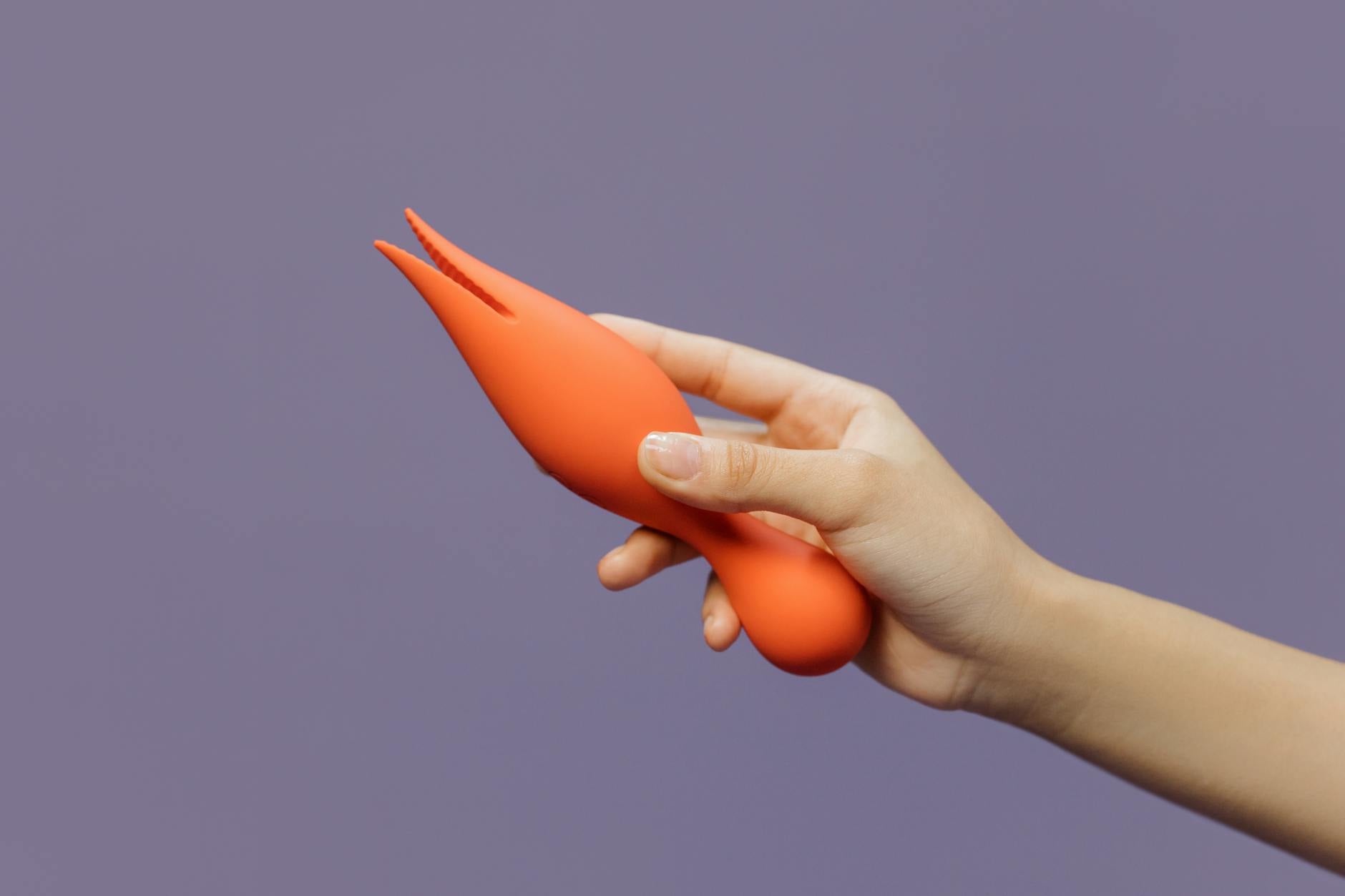
Photo by cottonbro studio on Pexels
The conversation after
Check in with each other. Not during sex. Not right after. The next morning or later that day, have a quick, casual conversation about what felt good. This does two things. First, it reminds him that you're thinking about this as something you're doing together. Second, it gives you actual feedback about what worked.
Many partners, once they see how much pleasure you get from a lemon vibrator or other clitoral stimulation tool, become genuinely invested in it. Some even ask to buy you one themselves. The resistance softens once the reality is less scary than the fantasy of what it means.
When the resistance is actually about something else
If your partner is resistant in a way that doesn't soften with conversation, pay attention. Sometimes resistance to toys is actually resistance to talking about pleasure at all, which can point to deeper intimacy issues. If that's the case, a conversation with a couples therapist can help way more than I can here.
But in most cases, what looks like rejection of the toy is actually fear masquerading as opinion. Once you separate the two, things move.
The bigger picture
Introducing a lemon vibrator to a skeptical partner isn't really about the toy. It's about creating space where you can both talk about what feels good without shame or comparison. That skill transfers to everything. Once you can say "I want this for my pleasure" and have it received as neutral information instead of rejection, your whole intimate life opens up.
Start the conversation this week. Not with the toy. With the words. Everything else follows.
People also ask
Will my partner feel replaced if I use a vibrator during partnered sex?
No. A clitoral vibrator works on your clitoris. Your partner works on other parts of you, or they can hold the toy and be actively involved. Most partners actually appreciate this because it takes the pressure off them to be the sole source of your pleasure. You're not being replaced. You're being enhanced.
How do I know if my partner will be open to trying a toy?
You don't until you ask. But the way you ask matters more than their initial reaction. Frame it as something that excites you and that you think could be good for both of you. Most people soften once they understand it's not a referendum on their performance.
What if my partner wants to use the vibrator without me first?
That's actually fine. Some partners get less anxious if they explore it on their own and understand how it works before using it together. It's not less intimate. It's just processing at their own pace. Let it happen.
Is there a best way to physically introduce the toy during sex?
Start with foreplay. Use it on yourself while they watch and touch you elsewhere. Or have them hold it while you guide them. Some partners like being in control of the intensity. Let the first time be exploratory, not goal-oriented. You're not trying to come. You're trying to build comfort.
What if we try it once and my partner hates it?
Then try it again differently. Maybe they hated the intensity, or the angle, or the timing. Or maybe it genuinely isn't their thing. That's okay. You can use a lemon vibrator solo and still have a great intimate life with a partner. The goal is pleasure, not universal enthusiasm for the same tools.
How do I bring up toys if we've never talked about pleasure openly before?
Start smaller. Ask what feels good for them. Listen without judgment. Share what feels good for you. Build the conversation gradually instead of dropping the toy talk out of nowhere. Intimacy with your partner is about creating safety first, then expanding what you explore together.