
How Lemon Vibrators Improve Pleasure After Menopause
Let's be real. Menopause changes how your body responds to stimulation. Not because you've lost capacity for pleasure, but because estrogen shifts change tissue thickness, lubrication, and the speed at which arousal builds. Traditional vibrators often feel too intense or too direct during this transition. That's where lemon vibrators and their suction-based design make a genuine difference.
I've worked with hundreds of women navigating pleasure after menopause, and the ones who switched to suction-based lemon clitoral vibrators report something consistent: the experience feels safer, more comfortable, and honestly more intense in the ways that matter.
Why traditional vibrators feel different after menopause
After menopause, vaginal tissue becomes thinner and more delicate. Estrogen supports tissue thickness and moisture. When estrogen drops, that support drops too. The vulva has less cushioning, and direct mechanical vibration can feel harsh or even painful. Many women describe it as overstimulating, almost numb-making, or worse.
The problem isn't desire. The problem is friction against tissue that's changed. A lemon vibrator's suction mechanism bypasses this entirely. Instead of the vibrator moving against your skin, it creates a seal and pulses gently against the tissue. The stimulation is indirect, layered, and far gentler on sensitive post-menopausal tissue.
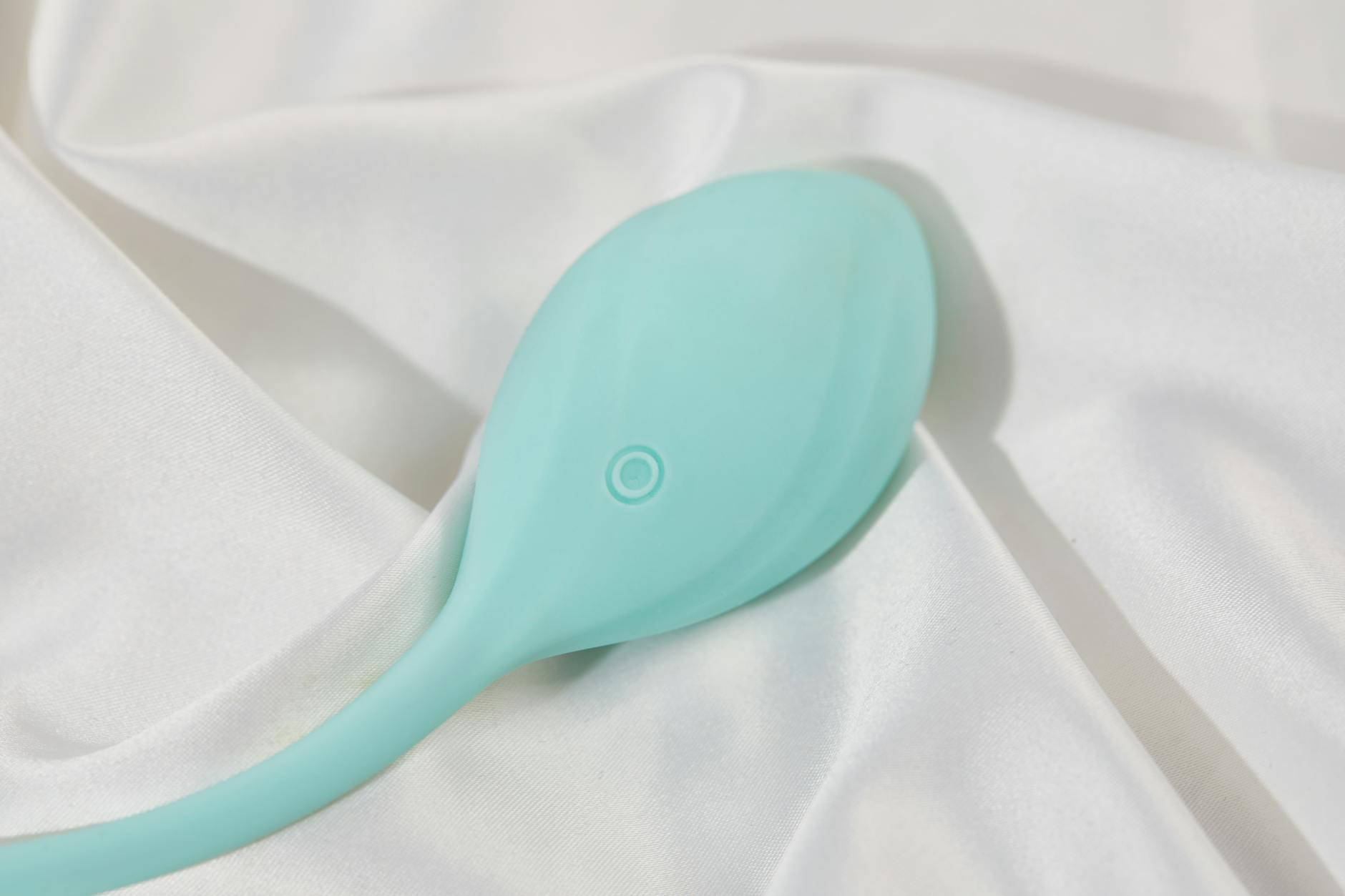
Photo by IFONNX Toys on Pexels
How suction feels different from vibration
Imagine the difference between someone pressing their finger against your skin versus gently drawing the skin upward with suction. Both stimulate nerve endings, but in completely different ways. Suction activates deeper nerves. It creates a pulling sensation that builds gradually. Traditional vibrators buzz against the surface.
For post-menopausal bodies, this matters massively. The clitoral nerve bundle still has full sensation. What's changed is the tissue around it. Suction works beautifully with thinner tissue because there's less friction, less risk of irritation, and more sensation depth. Many women tell me their first experience with a lemon vibrator or similar suction device feels almost shocking because the sensation is so different. Shocking in a good way.
The timeline of pleasure shift during menopause
Most women notice changes around a year into perimenopause and through the first few years post-menopause. The transition isn't instant. Your body is adjusting to lower estrogen. Arousal might take longer. Orgasms might feel different. Some women say they're less intense initially.
Here's what I tell my clients: this is temporary adjustment, not permanent loss. Within two to five years post-menopause, many women report that pleasure actually intensifies. The initial phase of thinner tissue and reduced lubrication stabilizes. The mental clarity kicks in. And if you've switched to a lemon clitoral vibrator during that transition, you're already working with your body instead of against it.
What makes lemon vibrators specifically better post-menopause
The Lem vibrator and similar lemon-shaped suction devices are designed with several post-menopausal benefits built in.
First, the shape. The rounded head creates a better seal against variable vulva anatomy. There's no need for perfect positioning. You can relax into it.
Second, the pressure settings. Most quality lemon adult toys have multiple suction intensities. You can start gentle and increase over time. This is crucial post-menopause because your tissue needs time to respond. Slow build beats shock and intensity every time.
Third, the material. High-quality silicone lemon sexual toys are body-safe, easy to clean, and don't require special storage. They also don't dry out your tissue the way some other materials can.
How to use a lemon vibrator post-menopause for best results
Timing matters. Use your lemon clitoral vibrator when you're genuinely relaxed and interested, not when you're trying to force arousal on a schedule. Post-menopausal pleasure often rewards patience over performance.
Start with a water-based lubricant. Even if you don't think you need it. Thinner tissue benefits from external moisture, and lube makes the suction more comfortable. It's not a sign of dysfunction. It's good technique.
Begin on the lowest suction setting. Let your tissue adjust. Spend 10 to 15 minutes at lower intensities before increasing. Many women find that lower settings produce longer, deeper orgasms than the highest settings. There's no medal for speed here.
Experiment with angle. Unlike traditional vibrators that go straight against the clitoris, suction devices sometimes work better when angled slightly. Play around. Your body will tell you what feels best.
Combining lemon vibrators with partner pleasure
If you're with a partner, a lemon vibrator during partnered sex creates a completely different dynamic than traditional vibrators. Because the sensation is less localized and more enveloping, it often feels less intrusive to partners. Some couples report that using a lem vibrator during sex feels more integrated, less like a third presence.
Having this conversation before you start helps. "I want to use this because it feels better on my body right now" is not the same as "I need this to enjoy you." One conversation is about pleasure. The other is about relationship. Keep them separate.
When lube, vibrators, and patience still aren't enough
If you're experiencing pain during sex or using lemon vibrators, don't wait. Genitourinary syndrome of menopause, or GSM, is real and common. It's also highly treatable. A menopause-trained GP or gynecologist can prescribe topical estrogen creams that have minimal systemic absorption and change the game in weeks.
Similarly, if desire has completely disappeared, hormone therapy is worth discussing with a specialist. Low testosterone post-menopause is treatable and often life-changing.
A lemon sucker or other clitoral vibrator is a tool, not a cure. A good tool, absolutely. But it works best alongside other support when you need it.
The permission piece matters most
Here's what I notice working with women after menopause. The physical changes are real. Tissue does thin. Arousal does take longer. But the biggest barrier to pleasure isn't biological. It's permission.
Menopause often arrives with a cultural message: your sexual life is ending. It's not. It's changing. There's a difference. Women who give themselves permission to explore during this transition, who invest in tools that actually work for their changed body, who communicate openly with partners about what's shifting. Those women report that their 50s and 60s are the most satisfying sexually of their lives.
A lemon clitoral vibrator won't solve that permission piece for you. But it can make pleasure physically easier, which sometimes makes the emotional permission follow naturally.
People also ask
How soon after starting menopause should I try a lemon vibrator?
Any time you notice changes in arousal or pleasure response. For some women that's during perimenopause. For others it's years into post-menopause. There's no right timeline. If what used to work doesn't anymore, that's the signal to try something designed for your current body.
Can I use a lemon sexual toy if I'm still getting my period?
Absolutely. Lemon vibrators work for anyone at any stage of the menstrual cycle. Some women find suction-based toys particularly nice during lighter flow days when sensitivity is different.
Do I need to use lube with a lemon clitoral vibrator post-menopause?
Yes, almost always. Your natural lubrication decreases post-menopause. External lube isn't optional at this stage. It's part of working with your body. Water-based works best with silicone toys. Silicone-based lubes can degrade silicone toys over time.
Will a lemon vibrator help if I have vaginal atrophy?
It can help with pleasure, but if you have vaginal atrophy or GSM causing pain, that needs medical treatment first. Talk to your doctor about topical estrogen creams or other options. Once that's addressed, a lemon sucker becomes a great tool for pleasurable exploration.
How often should I use a lemon vibrator after menopause?
As often as feels good. There's no optimal frequency. Some women use them a few times a week. Others less often. What matters is that you're tuning into what your body wants, not following a schedule.
Are lemon adult toys safe if I'm on hormone replacement therapy?
Completely. Using a vibrator has no interaction with HRT. Both can coexist fine. Some women find their pleasure response shifts as they adjust to HRT, so they might need to revisit their approach anyway. That's normal.
The real shift post-menopause
Menopause isn't the end of pleasure. It's an inflection point. Your body is different. The tools that worked before might not work now. A lemon vibrator is designed specifically for bodies in transition. It works with tissue that's thinner, with arousal that takes longer, with sensitivity that's changed.
What comes after is often richer than what came before. But only if you're willing to explore it with honesty, better tools, and patience. That's the work. And it's worth it.