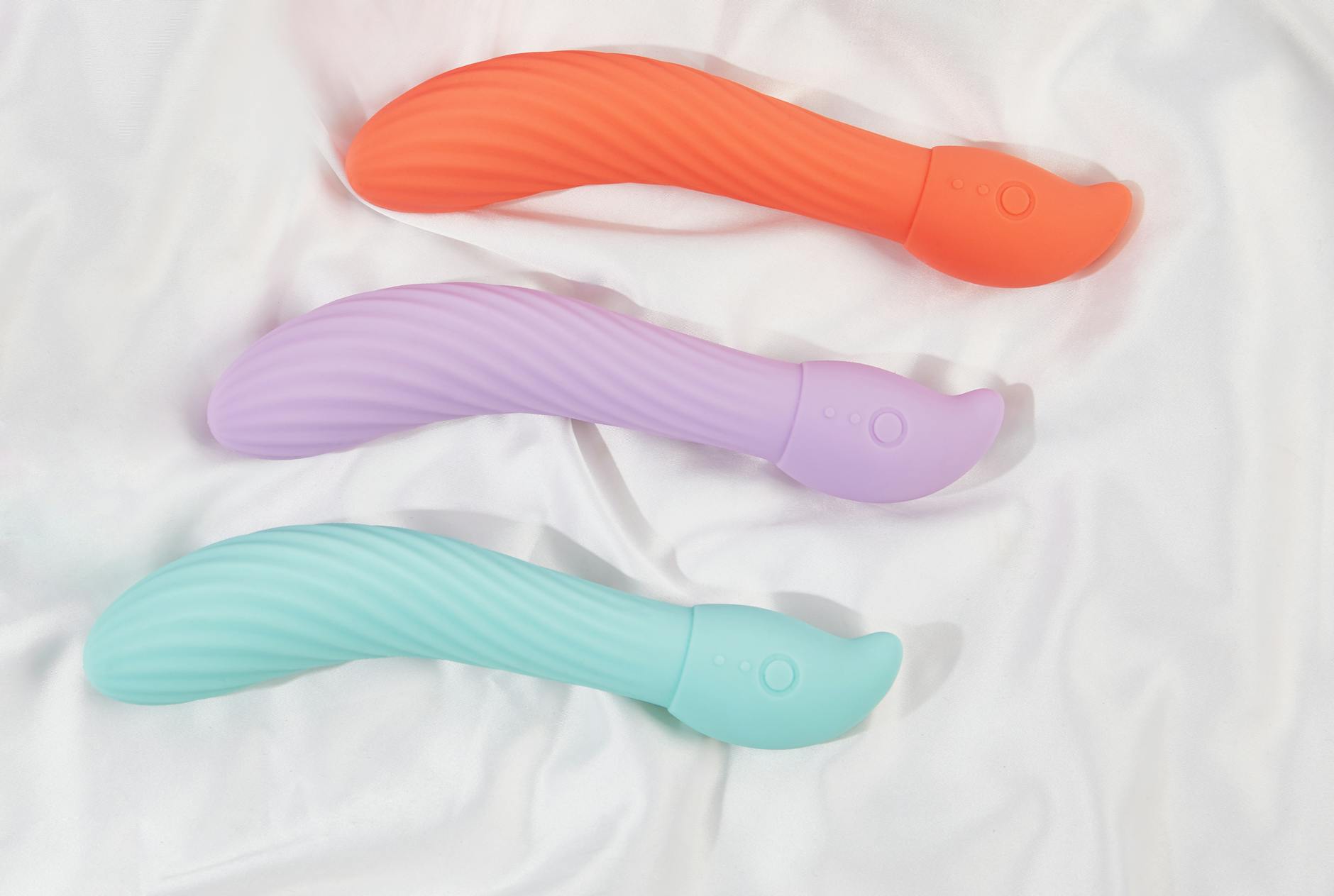
Let's start with the unspoken part
Everyone talks about the physical recovery after childbirth. Bleeding, stitches, the weird soreness that lasts longer than you expect. What almost nobody mentions is how your body's pleasure response shifts. It's not broken. It's recalibrating.
The pelvic floor has been stretched. Hormones are flooded with oxytocin and prolactin if you're nursing. Your attention is split seventeen ways before breakfast. And then, somewhere down the line, you might want to feel like yourself again physically. That's where clitoral vibrators like the Lem come in, but the rules have changed.
What actually happens to your pelvic floor
During labor, your pelvic floor gets stretched beyond anything it's experienced. If you had tearing or episiotomy stitches, the tissue itself is healing. Even without tearing, the ligaments that support the pelvic floor loosen. This isn't permanent damage, but it's real.
What does this mean for pleasure? For about the first six to eight weeks, the clitoris is more sensitive and potentially more reactive to stimulation because of swelling and hormonal shifts. After that initial healing window, sensitivity often settles. Some people report their clitoris feels slightly less responsive; others find it's more accessible, because the vulva changes shape postpartum.
The bigger issue isn't sensation. It's that the pelvic floor muscles are fatigued and loose. Traditional vibrators that rely on friction against the clitoris can feel too intense or uncomfortable if the surrounding tissue is still tender. That's where suction-based lemon clitoral vibrators make a real difference.
Why lemon suction toys work better than friction
A lemon vibrator uses gentle pulsing suction instead of direct vibration. For postpartum bodies, this is almost always more comfortable. Here's why.
Suction stimulates without pressure. You're creating a micro-rhythm of gentle suction that pulls the clitoral tissue slightly, which activates the nerves. There's no repetitive friction against already-tender tissue. The sensation is gentler and easier to modulate because most lemon adult toys have multiple patterns and intensity levels.
Friction-based vibrators send energy directly into the clitoris and surrounding tissue. That's great once everything is healed and you want intensity. In the early weeks and months after delivery, it can feel sharp or overwhelming. With a lemon suction toy, you control the intensity more precisely, and you can start low.
The hormonal piece nobody explains
If you're breastfeeding, your prolactin levels are elevated. This hormone dampens estrogen and can tank your libido. Lots of nursing parents experience no desire for sex for months. This is not a sign something is wrong with your relationship or your sexuality. It's your body being smart about resource allocation.
If you're not nursing, hormones fluctuate wildly in the first few months as your body recalibrates. Estrogen comes back online gradually. Oxytocin spikes when the baby cries, which can make sexual thoughts feel jarring or intrusive. Your brain is still in protection mode, even if your body is technically healed.
This is why waiting until you feel ready (not until a doctor says you're cleared, though that matters medically) is important. Pleasure requires some mental bandwidth. Early postpartum you may not have that. That's okay. It comes back.
When you're ready to try again
If you want to start exploring solo pleasure again, here's what actually helps.
Start at week 10 or 12, minimum. Not week six when your doctor clears you for penetrative sex. That's a different timeline. Exploring solo pleasure can start sooner for some people, but give yourself at least two full months of healing.
Use the lowest setting first. This sounds obvious, but I've worked with people who jumped straight to pattern 5 on the Lem and then didn't try again for months because it felt wrong. Start on pattern 1. You're testing sensation and seeing how your body responds now.
Explore without expectation of orgasm. Early postpartum, the goal is remembering what your clitoris feels like when it's stimulated. Not coming. Not performance. Just sensation. This is genuinely different from before you were pregnant.
Use lube, always. Even if you didn't need it before pregnancy. Hormones are weird. Your natural lubrication may take a while to return, especially if nursing. Water-based lube makes everything gentler.
The pelvic floor work that matters
Kegels are overrated postpartum. Your pelvic floor doesn't need to be stronger right now. It needs to be mobile and able to relax.
Work with a pelvic floor physical therapist if you can access one. They can identify exactly what's tight and what's loose. For most postpartum people, the issue isn't weakness. It's tension. The muscles are guarding, protecting, unable to fully let go.
Learning to relax the pelvic floor fully is game-changing for pleasure. When you try a lemon clitoral vibrator, tight pelvic floor muscles interfere with sensation and make orgasm harder. Relaxation work helps more than strength work.
Sex with a partner changes too
If you have a partner, this recovery period is also a relationship transition. Resentment often builds if one person feels abandoned or if pressure resurfaces too early. The most helpful conversation isn't about when you'll have sex again. It's about how you're both adjusting to being in a family unit instead of a couple.
Many couples find that solo exploration using a lemon vibrator becomes a bridge. You reconnect with your own pleasure first. That clarity helps conversations with a partner. You know what feels good now. Your body is different. Your needs might be different. That's information worth having before trying to reconnect partnered.
Your pleasure doesn't disappear after childbirth. It hibernates. And when you coax it back, it often feels deeper because you've earned the space for it.
FAQ: Common questions about pleasure after delivery
When is it safe to use a vibrator after childbirth? Medically, your doctor will clear you for penetrative sex around six weeks. For external clitoral stimulation with a toy like the Lem, you can often start earlier if there's no active bleeding and you feel comfortable. Week 8 to 10 is a safer window for most people. If you had tearing or complications, ask your OB specifically about vibrator use.
Will my clitoris ever feel the same? Yes and no. The tissue itself heals and usually returns to normal sensation. But your brain's relationship with your body has changed. You've experienced vulnerability and intensity. Early postpartum, the clitoris might feel more sensitive or less responsive depending on hormones. By month four or five, most people report their sensation returns to baseline, though some describe it as different in subtle ways.
Is it normal to feel nothing during stimulation? Completely normal. Postpartum hormones can mute sensation temporarily. Exhaustion, stress, and mental load kill arousal. Some people are still healing physically and find any stimulation uncomfortable. Give yourself permission to pause and try again later. Forcing pleasure doesn't work. Waiting until your nervous system is ready does.
Can I use a lemon suction vibrator if I'm breastfeeding? Yes. No vibrator stimulation transfers into breast milk or affects nursing. The only caveat is managing your own sensations and needs. If you're touched out from the baby, adding partner touch or solo pleasure might feel like one more demand on your body. That's worth naming and working through, not a physical safety issue.
Why does my partner want sex before I do? Because your bodies are on completely different hormonal timelines. Gestating and birthing shifts your biochemistry profoundly. Your partner's hasn't. They may feel abandoned or anxious about the relationship. You may feel physically overwhelmed and touched out. Neither of you is wrong. This is exactly why conversations separate from pressure matter. Some couples benefit from a licensed therapist who specializes in postpartum relationships to navigate this gap.
What if I'm grieving my pre-pregnancy body? That's real and valid. Your body has changed. Breasts might look different. Your belly might not snap back. Your pelvic floor works differently. Some of that is temporary. Some is permanent. Learning to feel pleasure in your changed body is part of the reclamation. Many people find that reconnecting with pleasure through tools like a lemon clitoral vibrator actually helps them develop a more complex relationship with their postpartum body. You're not trying to get back to before. You're discovering what feels good now.
The long game
Postpartum is not a permanent state. It's a season. Your body will heal. Hormones will stabilize. Your attention will expand beyond survival mode. When that happens, your capacity for pleasure returns. It might look different. It might feel deeper. You might have access to sensations you didn't before.
Give yourself grace. Your body did something extraordinary. Reclaiming pleasure on your own terms, in your own timeline, is part of honoring that. A lemon vibrator or hello nancy clitoral toy is just a tool that makes the early steps easier.