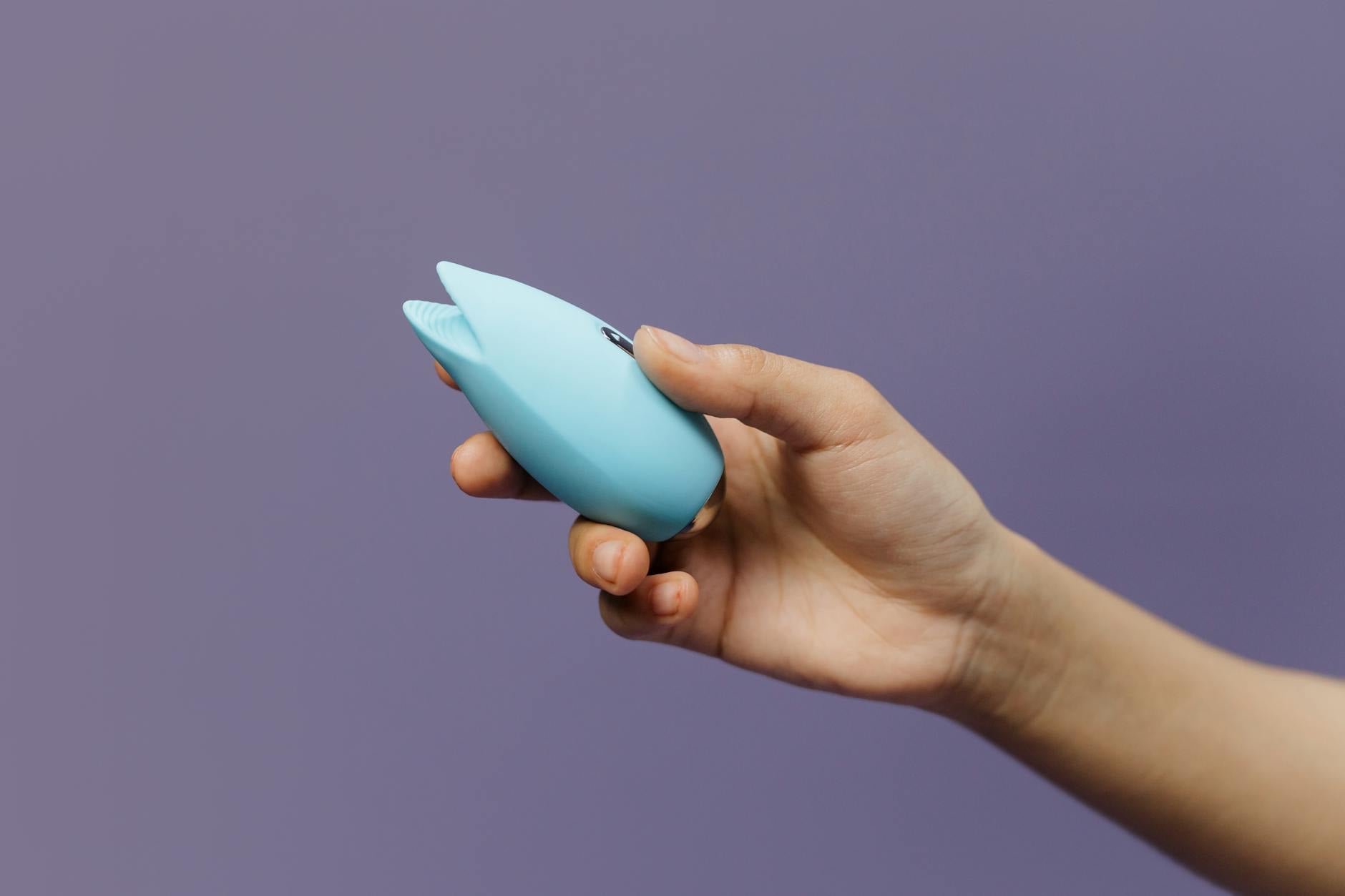
Best Clitoral Vibrator for Sensitive Skin and Delicate Tissue
Let's be real. If you have sensitive skin or delicate tissue, not every clitoral vibrator is built for you. The wrong material, the wrong intensity pattern, or the wrong approach can leave you irritated, sore, or completely turned off from the experience. And that's the opposite of what you deserve.
The good news: choosing a lemon vibrator or any clitoral vibrator that respects sensitive tissue is absolutely possible once you know what to look for.
What makes tissue sensitive in the first place
First, some context. Sensitivity around the clitoris and vulva happens for several reasons. Hormonal shifts (pregnancy, postpartum, menopause, even your cycle) thin the tissue and reduce natural lubrication. Certain medications, including some antidepressants and antihistamines, dry out mucous membranes. Skin conditions like eczema or psoriasis can flare in genital areas. Previous trauma or irritation builds defensive tension that makes everything feel raw.
Then there's contact sensitivity. The clitoris has an incredibly high concentration of nerve endings. That's what makes it so responsive. It's also what makes it so vulnerable to the wrong kind of stimulation.
None of this means you can't have pleasure. It means you need to be intentional about which tools and techniques work for your body.
Material matters more than you think
Here's the thing about vibrator materials. Medical-grade silicone is the gold standard for sensitive skin. It's non-porous, meaning bacteria can't hide in tiny cracks. It's hypoallergenic, so it won't trigger contact dermatitis. And it's smooth without being slippery in a way that creates friction burns.
Stay away from jelly rubber, PVC, and anything labeled "mystery plastic." These materials leach chemicals, trap bacteria, and can cause inflammation even on skin that isn't officially "sensitive."
Glass and stainless steel are also good options if you like a firmer toy. They're naturally antibacterial and don't absorb water or bacteria. The trade-off: they're cold until they warm up, and they can feel intense on already tender tissue.
Why suction-based clitoral vibrators work differently
If you've read about lemon vibrators or lemon clitoral vibrator reviews, you've probably encountered the term "suction." This is important for sensitive skin because it works on a completely different principle than traditional vibration.
A standard vibrator creates rapid movement back and forth. On delicate tissue, this can feel like friction even at low speeds. Suction-based devices like the Lem create a gentle seal and pulse stimulation through changing air pressure. There's no direct friction. The sensation is more diffuse, almost like a soft pulling feeling.
For people with sensitive tissue, suction often feels better than friction. It delivers intense sensation without the irritation. You can use a suction vibrator longer without soreness because you're not creating micro-abrasions the way traditional vibration sometimes can.
How to assess vibration intensity safely
The vibration strength of a clitoral vibrator matters enormously when you're working with sensitive tissue. A toy that's too powerful can actually damage delicate skin.
When you're shopping, look for devices with multiple intensity levels. Start at the lowest setting. If the lowest setting still feels too intense, that's not your toy. Counterintuitive, but true.
Test by holding the vibrator a few centimeters away from your skin first, not directly on it. This gives you a sense of the base intensity without full contact. Once you've gotten used to the sensation, slowly move it closer.
The best lemon vibrators for sensitive skin have graduated, nuanced patterns. You want something that doesn't jump from gentle to overwhelming. Look for toys that offer at least 3-5 distinct intensity levels, preferably with pulse or wave patterns that vary the rhythm.
The role of lubrication in protecting delicate tissue
Here's something most people don't realize. Lubricant isn't just about comfort. It's about protection. A good lube creates a barrier between your skin and the toy, reducing friction and friction-related irritation.
For sensitive skin, water-based lubricant is your friend. It's gentle, won't damage silicone toys, and washes off easily. Silicone-based lubes last longer, but they can degrade silicone toys over time, so that's a trade-off.
Use more than you think you need. Reapply halfway through if the toy is going to be in use for a while. Don't assume that natural lubrication is enough. Hormonal changes, medications, and stress all reduce how much natural lubrication your body produces, even when you're aroused.
Think of lube as a tool that makes the entire experience safer and more pleasurable. There's nothing wrong with needing it. It's actually smart.
Technique adjustments for sensitive clitorises
Where you place the toy and how you use it matters as much as which toy you choose.
Instead of placing the vibrator directly on the clitoris, try placing it slightly off to the side. The clitoris extends internally, forming a wishbone shape. The sensitive tip is just one part of the structure. Stimulating the shaft or the sides can feel amazing without the intense, sometimes overwhelming sensation of direct contact.
Start with indirect stimulation. Place the vibrator over your underwear or a thin cloth first. This dampens the intensity while you get used to the sensation. Once you're more aroused, you can move to direct contact if you want it.
Alternate between patterns and intensity levels. Don't stay on the highest setting. Your body adapts to sustained stimulation, which is why people often gradually turn up the intensity. If you want to maintain sensitivity and avoid irritation, vary the pattern every few minutes.
When to seek help if irritation develops
If you develop redness, swelling, or a burning sensation that lasts more than a few hours after using a vibrator, something isn't working. This could be a material reaction, friction damage, or a sign of an underlying condition like vulvovaginitis.
Stop using the toy immediately. Rinse with cool water. Wear soft cotton underwear and avoid other irritants (scented products, tight clothing) for a few days.
If irritation persists beyond 2-3 days, see a gynecologist. They can rule out infection and help you figure out whether the problem is the toy, the technique, or something else happening with your body.
The goal here is pleasure without consequence. If a toy consistently causes irritation, it's not the right tool for you. There are plenty of options.
Best practices for long-term use
If you've found a lemon vibrator or other clitoral vibrator that works well for your sensitive tissue, protecting it and yourself requires some basic habits.
Clean the toy with gentle, fragrance-free soap and warm water after every use. Dry it completely before storing it. Don't store it in plastic, which traps moisture. A silk or cotton bag works better.
Replace the toy if you notice any cracks, discoloration, or changes in texture. These can harbor bacteria and increase irritation risk.
If you use the toy with a partner, establish a clear conversation about pressure and placement before you start. Partner pressure is one of the main causes of irritation because sometimes partners assume harder is better. Make it clear that you need gentle, consistent contact, not pressure.
Take breaks. You don't need to use the toy every day. Giving your tissue recovery time, especially if you're in a sensitive period (hormonally or physically), reduces cumulative irritation.
FAQ: Your questions answered
What's the difference between a lemon vibrator and a traditional clitoral vibrator for sensitive skin?
A lemon clitoral vibrator typically uses air-pulse or suction technology, which creates stimulation through changing pressure rather than direct vibration. For sensitive tissue, this often feels gentler because there's less friction. Traditional vibrators use electromagnetic motors that create rapid back-and-forth movement, which can feel more intense on delicate skin. Neither is "better," but for sensitivity specifically, suction-based devices have an advantage.
Can I use a regular clitoral vibrator if I have sensitive skin?
Yes, but you'll need to be more intentional about material, intensity, technique, and lubrication. Look for medical-grade silicone, start at the lowest intensity level, use plenty of lubricant, and try indirect stimulation first. If a toy consistently irritates you despite these adjustments, it might not be the right match for your body.
How do I know if my sensitivity is temporary or permanent?
Temporary sensitivity usually correlates with hormonal cycles, medication changes, stress levels, or recent irritation. If you notice sensitivity only at certain times of the month or after a particular change in your life, it's probably temporary. Permanent sensitivity is ongoing regardless of these factors. Track your experience for a few cycles to identify patterns. If you're unsure, a gynecologist can help you figure out whether something is driving the sensitivity or if it's just how your body is wired.
Is it normal to need lubricant with every vibrator session?
Completely normal. Arousal, hormones, medication, stress, and age all affect natural lubrication production. Some days your body produces plenty. Other days it doesn't. Using lubricant isn't a sign that something is wrong. It's a sign that you're paying attention to what your body needs.
What's the safest way to introduce a toy to sensitive tissue if I've never used one before?
Start with a lower-intensity, suction-based device like a lemon vibrator at the lowest setting. Use plenty of water-based lubricant. Apply it indirectly first (over underwear or a barrier). Get comfortable with the sensation before moving to direct contact. Spend time on indirect stimulation, exploring how different areas feel. Don't push yourself to direct contact if it doesn't feel right. Some people find indirect stimulation is exactly what they need and never feel the urge to switch.
Can sensitivity improve over time with the right approach?
Yes and no. If your sensitivity is driven by a specific cause (hormonal shift, medication, inflammation), addressing that can help. If your sensitivity is just your baseline neurology, it's not something to "fix," but you can learn to work with it and still have incredible pleasure. The goal isn't to eliminate sensitivity. It's to build a practice that respects it while still giving you what you deserve.
Your pleasure, protected
Sensitive skin and delicate tissue don't mean you can't have powerful, satisfying pleasure. They just mean you need to choose tools and techniques that match your body's needs. A medical-grade clitoral vibrator, water-based lubricant, gentle technique, and patience create a foundation where sensitivity becomes a feature, not a barrier.
If you're unsure about which device is right for you, that's what we're here for. Reach out, and we can help you figure out what will actually work for your body.
References and further reading
- American College of Obstetricians and Gynecologists. Vulvovaginal Health. Retrieved from acog.org
- Komisaruk, B. R., Beyer-Flores, C., & Whipple, B. (2006). The Science of Orgasm. Johns Hopkins University Press.
- Herbenick, D., et al. (2021). "Sexual Behavior in the United States." Journal of Sexual Medicine, 18(2), 255-265.